
Heinrich Rudolf Schinz: Swiss physician, naturalist and author (1777–1861)
Concise biography of Heinrich Rudolf Schinz (1777–1861), Swiss physician and naturalist: education, academic and curatorial career in Zürich, major illustrated zoological works and legacy.
Overview
Heinrich Rudolf Schinz (30 March 1777 – 8 March 1861) was a Swiss physician and naturalist whose career combined medical practice, teaching and the systematic study and illustration of animals. Active in the first half of the nineteenth century, Schinz helped develop natural history in Zürich through his roles as a clinician, instructor, museum curator and author of illustrated zoological works.
Image gallery
5 Images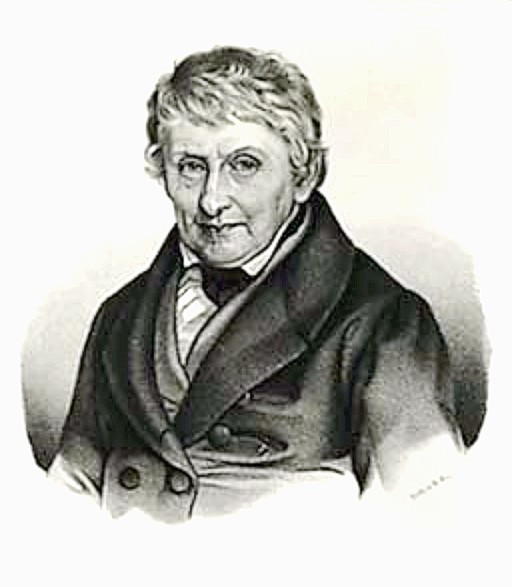



Early life and education
Born in Zürich, Schinz undertook formal medical studies at German-speaking universities, including the University of Würzburg and the University of Jena. After completing his training he returned to Zürich in 1798 and practised medicine. His medical and anatomical training provided a practical grounding for comparative work on animal structure and classification that he pursued alongside clinical duties.
Academic posts and curatorship
Schinz combined medical practice with teaching and institutional service. In 1804 he became an instructor at the Zürich medical school and later, in 1833, was appointed professor of natural history at the University of Zurich. For many years he served as curator for the Natural History Society of Zürich, where he organised and catalogued specimens, supervised exchanges and promoted the use of collections for teaching and study.
Publications and illustration
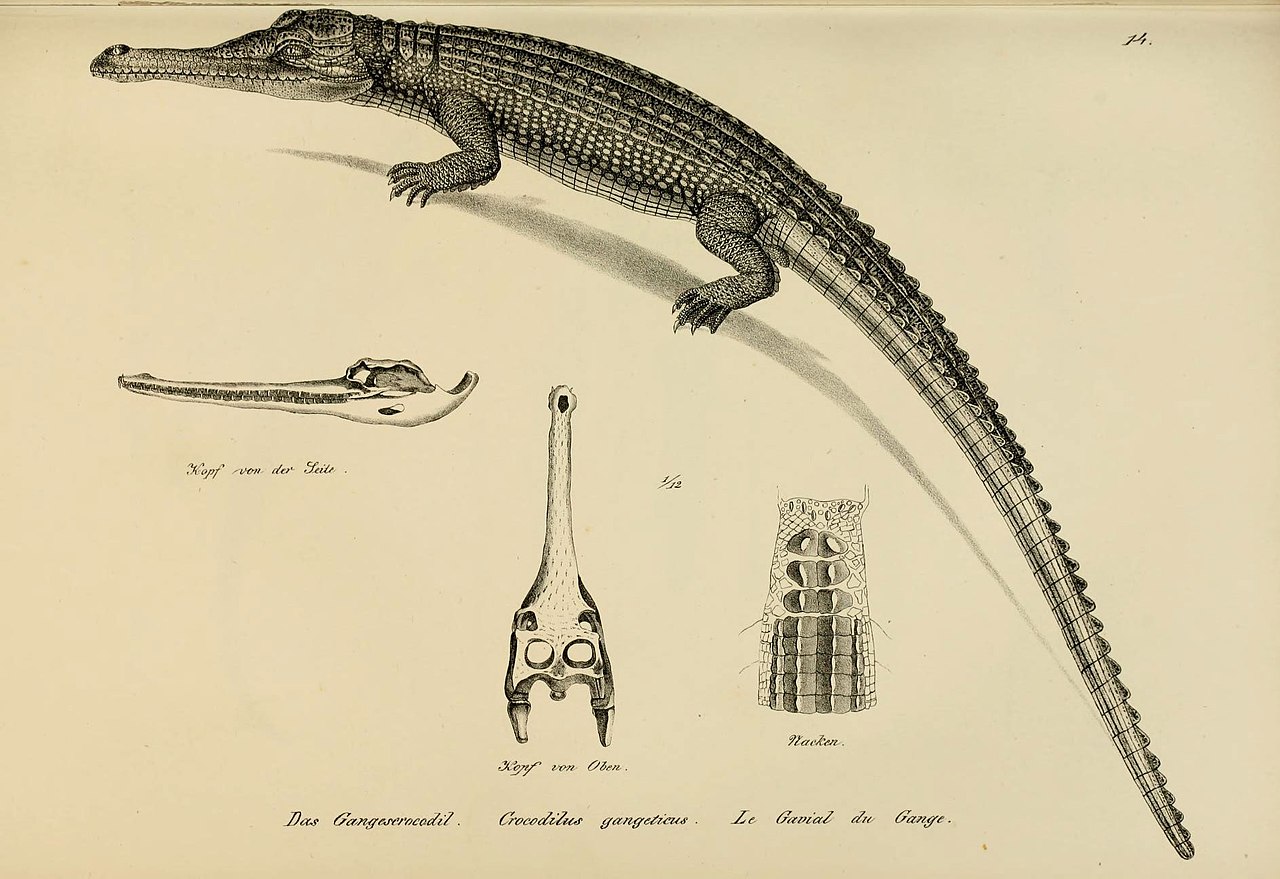
Between the 1820s and 1850s Schinz produced a sequence of descriptive and illustrated works characteristic of pre-Darwinian natural history: systematic treatments intended for scholars, collectors and educated readers. Notable published titles include Das Thierreich (published in parts in the early 1820s), Naturgeschichte und Abbildungen der Reptilien (1833–1834) and Europäische Fauna (1840). These volumes combined careful description with high-quality plates. The lithographer and artist Karl Joseph Brodtmann provided many of the detailed illustrations that accompanied Schinz’s texts, and the images were widely appreciated for their accuracy and aesthetic qualities.
Approach and significance
Schinz worked in an era when cataloguing species, producing regional faunas and describing morphology were central scientific activities. His work emphasised clear description, careful arrangement of taxa and informative illustration. While he was not a major theoretical innovator, his publications and curatorial activity strengthened Zürich’s role in European natural history and provided reference material used by contemporaries and later workers.
Legacy and later use of his work
Specimens, plates and printed volumes associated with Schinz continued to be consulted in museum collections and bibliographies of nineteenth-century zoology. His writings are cited in studies of early natural history publishing, the rise of museum collections, and the development of regional faunas. For those researching nineteenth-century European zoology, Schinz’s descriptive volumes remain useful primary sources documenting species knowledge and illustrative practice of the period. For more on his zoological contributions and their reception see specialised catalogues and library collections.
Selected publications
- Das Thierreich (early 1820s) — multi-part overview of the animal kingdom.
- Naturgeschichte und Abbildungen der Reptilien (1833–1834) — descriptive and illustrated work on reptiles with plates by Karl Joseph Brodtmann.
- Europäische Fauna (1840) — treatment of European animals intended for naturalists and collectors.
Schinz is remembered as a diligent cataloguer, educator and author whose publications reflect the practical and illustrative priorities of nineteenth-century natural history. His collaboration with skilled lithographers helped disseminate accurate visual information at a time when illustration was essential to zoological study. Researchers interested in the history of natural history, museum development and nineteenth-century scientific illustration will find his corpus and its plates to be informative examples of the period’s scholarly practices.
Related articles
Author
AlegsaOnline.com Heinrich Rudolf Schinz: Swiss physician, naturalist and author (1777–1861) Leandro Alegsa
URL: https://en.alegsaonline.com/art/43277
Sources
- zm.uzh.ch : Biography
- commons.wikimedia.org : Heinrich Rudolf Schinz