
Heinrich von Kleist (1777–1811)
German writer Heinrich von Kleist (1777–1811) wrote intense dramas and novellas—including The Broken Jug and Michael Kohlhaas—exploring fate, honor, violence and moral uncertainty.
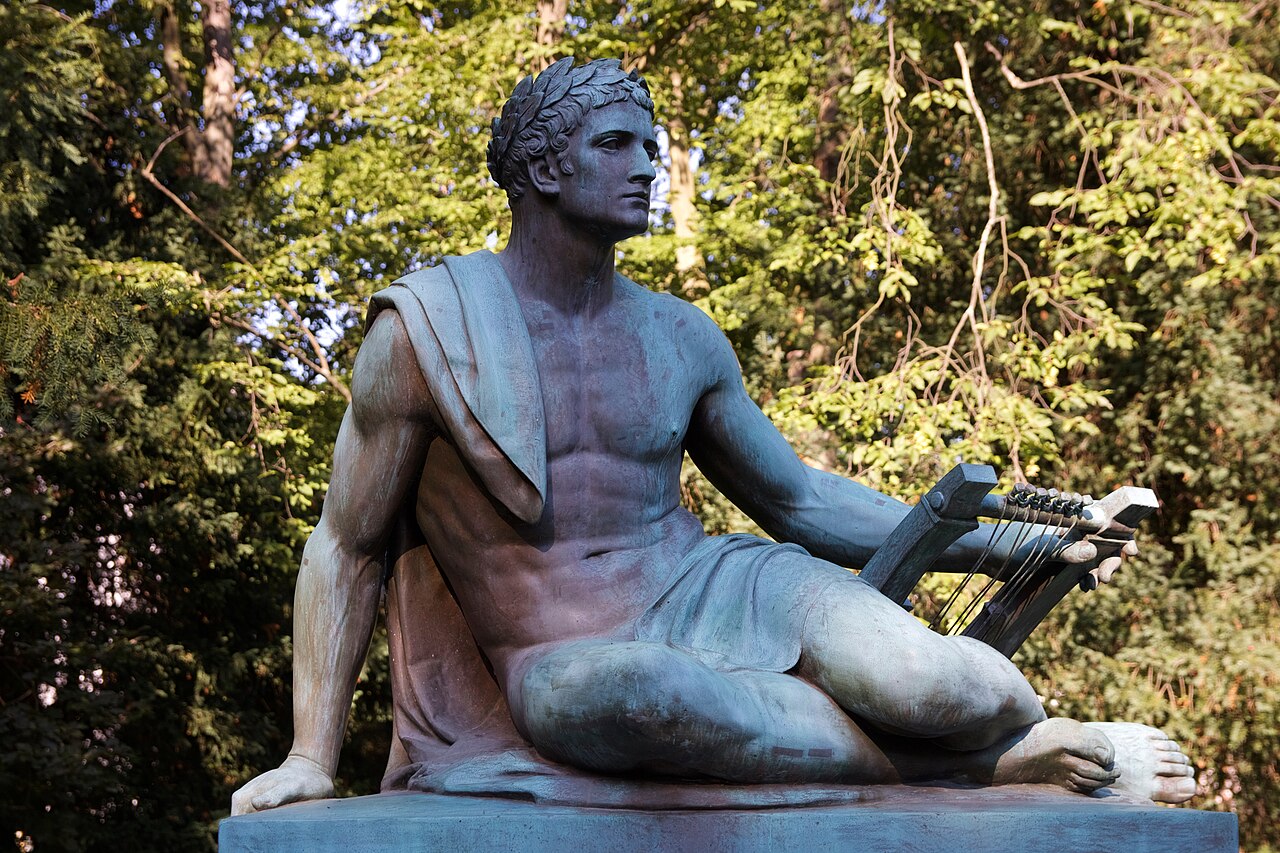
Bernd Heinrich Wilhelm von Kleist (18 October 1777 – 21 November 1811) was a German writer born in Berlin whose work spans drama, short prose, essays and polemical texts. His compact plays and novellas are known for psychological intensity, abrupt reversals and an often austere moral imagination. For accessible biographical summaries and timelines see biographical overviews.
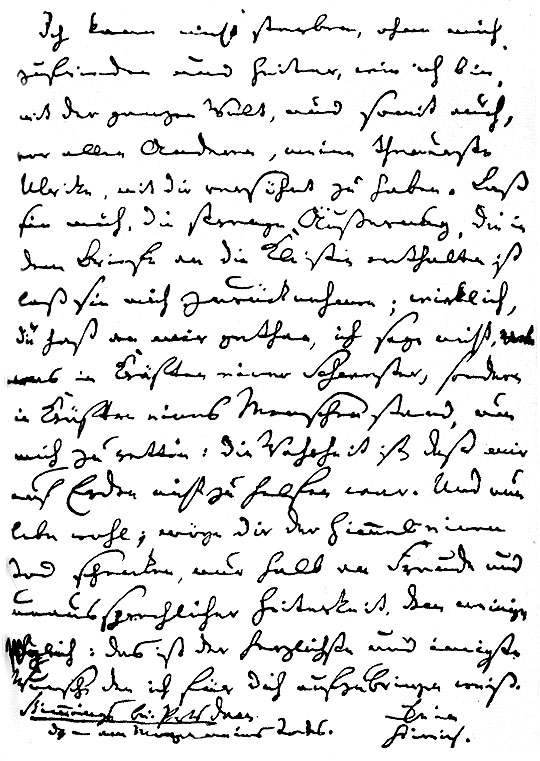
After brief service in the Prussian army and interrupted studies, Kleist abandoned several conventional careers and devoted himself to writing and travel. He produced dramas and stories that resist easy classification within a single movement: often linked with Romanticism, his work also engages classical forms and Enlightenment concerns. Collections of his letters and translations of key texts are available at many libraries and online editions; consult full texts and translations for primary sources.
Image gallery
5 Images


Major works
- Der zerbrochne Krug (The Broken Jug) — a courtroom comedy that satirizes authority and exposes human self-deception.
- Prinz Friedrich von Homburg — a play about dreams, duty and conflict between personal feeling and military obedience.
- Penthesilea — a violent, mythic drama notable for its unconventional depiction of passion and honor.
- Michael Kohlhaas — a novella in which a horse dealer’s rigid demand for justice escalates into organized revolt.
- Die Marquise von O— — a tightly plotted novella that examines social judgment, reputation and ambiguous events surrounding a woman’s fate.
Kleist’s themes repeatedly return to the fragility of social order, the limits of legal and moral language, sudden catastrophe and the intractability of honor. His style favors concentrated scenes, rhetorical intensity and a moral opacity that invites multiple interpretations. For modern criticism and scholarly context see overviews of scholarship and criticism.
His personal life was marked by instability and intellectual urgency. In November 1811 he and a close companion, Henriette Vogel, died in a planned joint suicide on the shore of the Kleiner Wannsee; the circumstances of his death have long been discussed in biographies and studies of his work. Collections of letters, contemporary editions and archival material provide further documentation; consult archives and editions for primary documentation and editorial notes.
Reception of Kleist shifted considerably after his death: initially uneven, it grew steadily through the 19th and 20th centuries. Today his plays and novellas are frequently translated and staged, and his name is commemorated in the Kleist Prize, given to notable German-language authors. For introductions to Kleist’s poetic and dramatic strategies consult general surveys and selected readings available online and in print, for example resources that treat his narrative techniques and dramatic staging found here.
Questions and answers
Q: Who was Heinrich von Kleist?
A: Heinrich von Kleist was a famous German poet and dramatist of romanticism.
Q: What was the birth date of Heinrich von Kleist?
A: Heinrich von Kleist was born on October 18, 1777, in Berlin, Germany.
Q: When did Heinrich von Kleist die?
A: Heinrich von Kleist died on November 21, 1811.
Q: How did Heinrich von Kleist end his life?
A: Heinrich von Kleist ended his life by killing himself.
Q: What was Heinrich von Kleist known for?
A: Heinrich von Kleist was famous for his romantic poetry and plays.
Q: Was Heinrich von Kleist an influential figure in German literature?
A: Yes, Heinrich von Kleist was one of the most influential figures in German literature.
Q: What was the literary era during which Heinrich von Kleist was active?
A: Heinrich von Kleist was active during the literary era of Romanticism.
Related articles
Author
AlegsaOnline.com Heinrich von Kleist (1777–1811) Leandro Alegsa
URL: https://en.alegsaonline.com/art/43279