
Heron Tower (110 Bishopsgate)
110 Bishopsgate, commonly called the Heron Tower, is a prominent City of London office skyscraper completed in 2011, noted for its commercial space, public dining venues and a well‑publicised naming dispute.
Overview
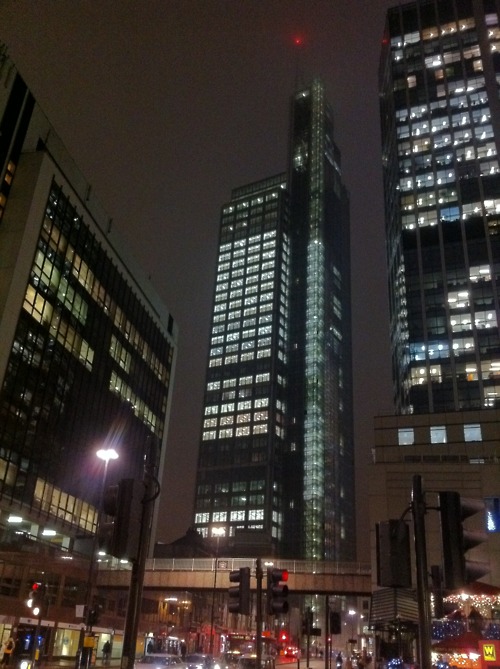
110 Bishopsgate, widely known as the Heron Tower, is a modern commercial skyscraper in the City of London. Completed in 2011 after several years of construction, the building established itself as a prominent element of the City skyline and as a large-scale office development within the Square Mile. Its site on Bishopsgate places the tower among major financial institutions, retail streets and historic thoroughfares, creating a contrast between contemporary high-rise design and the older urban fabric of central London.
Image gallery
6 Images


Design and characteristics
The tower was developed to provide multi-tenant office accommodation with ancillary retail and hospitality facilities at lower and upper levels. The design emphasises efficient, column‑free floor plates to meet the needs of corporate and professional tenants, while glazed façades increase natural daylight for interior spaces. Plant floors and modern building services are integrated to support contemporary office requirements, including energy management and large tenant fit-outs. Public-facing elements such as ground-level retail and high-level restaurants and event spaces contribute to the building’s role beyond pure workspace, offering views across the City.
- Primary use: multi-storey commercial offices with retail and hospitality elements.
- Public amenities: ground-floor retail, upper-level dining and event venues that attract visitors as well as occupiers.
- Urban context: part of a wave of late 2000s and early 2010s developments transforming the City of London skyline.
Construction, ownership and naming
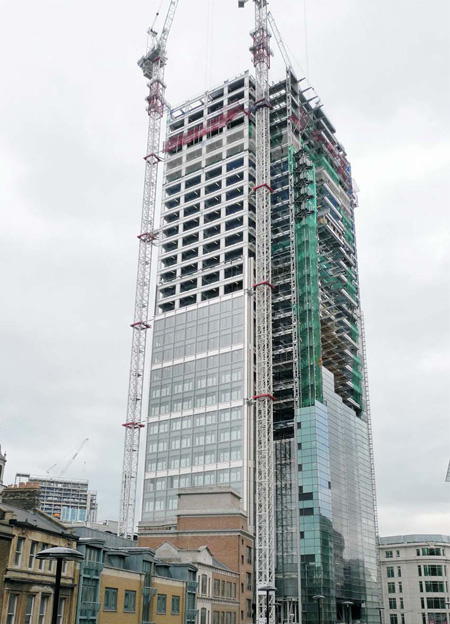
Construction of the tower took place between 2007 and 2011. The development was delivered by Heron International, whose name gave rise to the building’s popular informal title, the Heron Tower. The official postal and planning name remains 110 Bishopsgate. In 2014 a naming dispute between the developer and a major tenant drew public attention when the tenant sought prominent corporate signage; local authorities confirmed the formal name as 110 Bishopsgate, illustrating how commercial branding and formal addresses can differ for high-profile buildings.
Tenants, uses and public access
The building is occupied by a mix of firms in finance, professional services and technology sectors, reflecting the broader tenant profile of the City. Lower floors provide retail and some publicly accessible amenities, while higher levels contain dining venues and private event spaces with panoramic views. Access arrangements and visiting policies for restaurants and public spaces are set by the building management and individual operators; prospective visitors should consult current listings for opening hours and booking requirements.
Significance and reception
110 Bishopsgate is commonly cited as an example of early‑21st‑century commercial high-rise development in London. Its completion was noted in contemporary coverage for its scale and for reshaping sight-lines within the City. The naming matter involving the developer and a substantial tenant received attention because it raised questions about corporate identity on the built environment and the role of planning and civic authorities in place‑naming.
Further information
Readers seeking detailed planning records, architectural descriptions or the latest tenancy information can consult municipal archives and specialist property sources. General background on high-rise buildings and their role in urban centres is available through introductions to skyscraper design and urban planning. For related references see skyscraper resources, municipal information at City of London, national context England, comparative rankings UK building lists and histories of earlier City towers such as Tower 42.
Questions and answers
Q: What is Heron Tower?
A: Heron Tower is a skyscraper located in the City of London, England.
Q: What is its official name?
A: Its official name is 110 Bishopsgate.
Q: Is it still called The Heron Tower?
A: Yes, it is still often called The Heron Tower, despite its official name being 110 Bishopsgate.
Q: What is its height ranking in the United Kingdom?
A: When it was completed in 2011, Heron Tower became the third tallest building in the United Kingdom.
Q: What is its height ranking in the City of London?
A: Heron Tower is the tallest building in the City of London, after Tower 42.
Q: Who owns Heron Tower?
A: Heron Tower is owned by Heron International.
Q: What was the naming dispute that occurred in 2014?
A: In 2014, there was a naming dispute between Salesforce.com and Heron International. The City of London ruled in favour of it being named 110 Bishopsgate.
Related articles
Author
AlegsaOnline.com Heron Tower (110 Bishopsgate) Leandro Alegsa
URL: https://en.alegsaonline.com/art/43870
Sources
- propertyweek.com : "Heron completes financing of £500m Heron Tower"
- constructionenquirer.com : "Skanska installs giant aquarium in Heron Tower"