
Harry S. Truman: Presidency, policies, and legacy
Harry S. Truman (1884–1972), 33rd U.S. president (1945–1953). Succeeded FDR, ended World War II, shaped early Cold War policy, led the U.S. into Korea, and advanced notable domestic reforms.
Overview
Harry S. Truman (May 8, 1884 – December 26, 1972) served as the 33rd president of the United States from 1945 to 1953. He became president upon the death of Franklin D. Roosevelt and completed Roosevelt's fourth term before winning a full term of his own. Truman's time in office encompassed the final stage of World War II, the start of the postwar international order, and the opening years of the Cold War. He is remembered for several decisive, sometimes controversial choices that shaped mid-20th century American politics and foreign policy. For background on his presidency see 33rd President.
Image gallery
10 Images




Early life and rise to national office
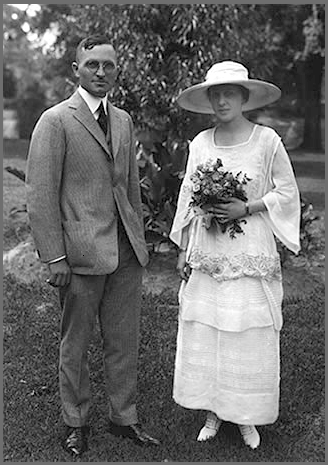
Born and raised in Missouri, Truman worked on a family farm and later served in World War I. He entered public life as a county official and advanced to the U.S. Senate, where he gained attention for his leadership of wartime investigations. He was selected as vice president in 1944 and assumed the presidency on the death of Franklin D. Roosevelt. Truman's modest background and reputation for plain speaking shaped his public image and political style.
Major foreign-policy decisions
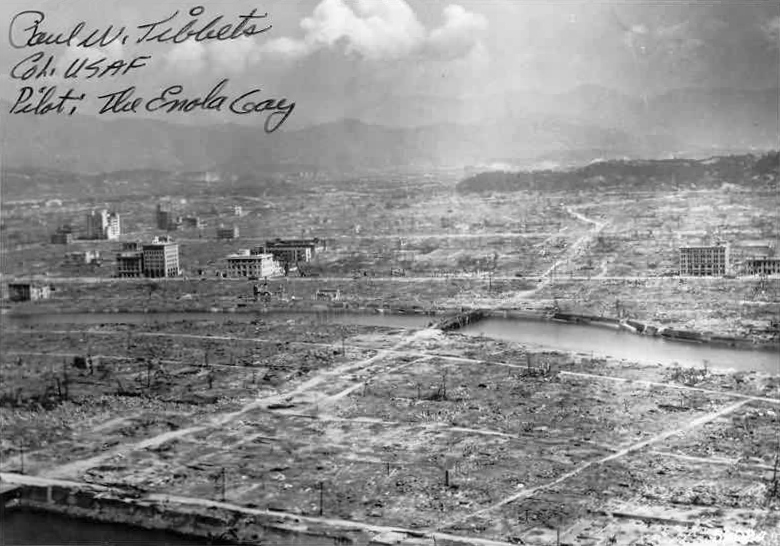
Truman took several landmark foreign-policy actions that influenced the international balance after World War II. He authorized the use of atomic weapons against Japan in 1945 as part of efforts to end World War II, and he oversaw the transition from wartime alliance to postwar competition. His administration articulated a policy of containment toward Soviet influence and provided economic and military assistance to allied nations.
- End of World War II: authorized use of atomic weapons and managed surrender arrangements tied to the conclusion of World War II.
- European recovery: supported large-scale aid and reconstruction programs to revive Europe, including policies associated with the Marshall Plan and allied cooperation (postwar rebuilding).
- Containment and early Cold War: announced doctrines and took steps that helped define the emerging Cold War competition with the Soviet Union (early Cold War).
- Korean War: committed U.S. forces under a United Nations banner in 1950 after North Korea invaded the South (Korean War).
Domestic program and notable actions
On the home front Truman pursued a moderate liberal agenda known as the Fair Deal, which aimed to extend social safety nets, raise the minimum wage, and expand housing and education opportunities. He took significant steps on civil rights, including ordering the desegregation of the armed forces and supporting anti-lynching and voting-rights measures. His 1948 re-election victory is regarded as a major political upset, reflecting vigorous campaigning and appeals to a broad coalition.
Legacy and historical assessment
Truman's presidency is often seen as pivotal in shaping the postwar world and defining American global leadership. Historians note both the boldness of his international decisions and the domestic reforms he advanced. Opinions vary about the costs and consequences of some policies, but many assessments credit him with steady leadership during a crucial transitional era. For further reading on his foreign policies, see foreign policy overview; additional archival resources are available at related repositories (atomic policy records, reconstruction documents).
Notable facts
Truman remains distinctive for ascending to the presidency without prior executive experience at the national level, for winning an unexpected full term in 1948, and for a number of firm administrative choices in both foreign and domestic spheres. His straightforward public persona and the slogan-like motto about responsibility continue to shape popular memory. More information and primary-source collections can be consulted through specialized archives and presidential libraries (war-era documents, Cold War collections, Korean War records).
Questions and answers
Q: Who was Harry S. Truman?
A: Harry S. Truman was the 33rd president of the United States from 1945-1953.
Q: How did Harry S. Truman become president?
A: Harry S. Truman became president when President Franklin D. Roosevelt died in office.
Q: What important foreign policy decisions did Truman make as president?
A: As president, Truman made important foreign policy decisions, such as using atomic weapons on Japan to end World War II, repairing Europe which was destroyed during the war, beginning the Cold War, and getting the U.S. involved in the Korean War.
Q: When was Harry S. Truman born and when did he die?
A: Harry S. Truman was born on May 8, 1884 and he died on December 26, 1972.
Q: Which president did Truman succeed?
A: Harry S. Truman succeeded President Franklin D. Roosevelt.
Q: How long was Harry S. Truman president?
A: Harry S. Truman was president for 8 years from 1945-1953.
Q: What did Truman do to help repair Europe after World War II?
A: Truman helped repair Europe after World War II.
Author
AlegsaOnline.com Harry S. Truman: Presidency, policies, and legacy Leandro Alegsa
URL: https://en.alegsaonline.com/art/139495