
Anguidae — the anguid lizards (glass lizards, alligator lizards, slowworms)
Anguidae is a family of mostly elongate lizards including glass lizards, alligator lizards and slowworms, notable for limb reduction, tail autotomy and a wide Holarctic and Neotropical distribution.
Overview
Anguidae is a family of lizards within the order Squamata. Members are commonly called anguids and include well-known forms such as glass lizards, alligator lizards and slowworms. They display a variety of body shapes from fully limbed to essentially limbless and occur across temperate and tropical regions of the Northern Hemisphere and parts of Central and South America. For a general introduction see Anguidae family.
Image gallery
3 Images

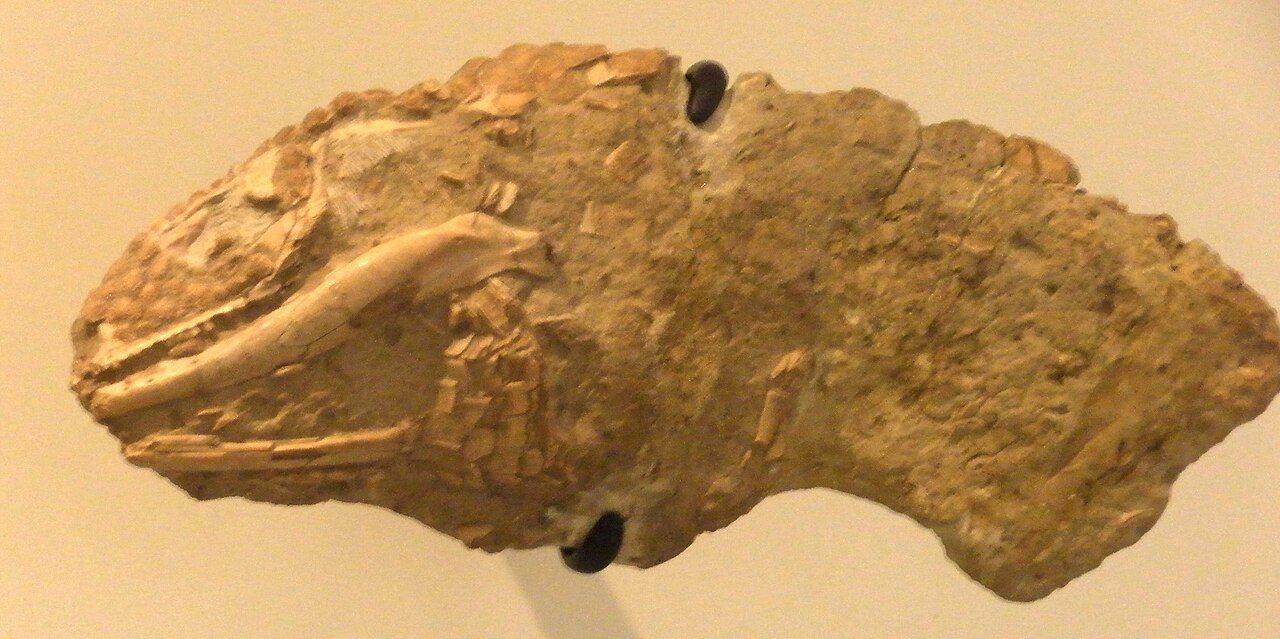
Characteristics
Anguids are typically elongate, with osteoderms (bony plates) under the skin that give a firm, keeled appearance. Many species can autotomize (break off) the tail as an escape mechanism, and tails often fracture into several pieces—hence the name "glass lizards" for some taxa. Unlike snakes, anguids retain movable eyelids and external ear openings. Limb reduction has evolved repeatedly in the group, producing forms that resemble snakes but remain lizards in anatomy and behavior.
Distribution and habitat
Members occupy a range of habitats including grasslands, forests, scrub and rocky slopes. Genera such as Anguis (slowworms) are common in European temperate zones, while genera like Elgaria, Gerrhonotus and Ophisaurus occur in North and Central America and Asia. Many species prefer ground-level cover, logs and leaf litter where they hunt invertebrates and small vertebrates.
Behavior, diet and reproduction
Anguids are mostly carnivorous, feeding on insects, spiders and small vertebrates. Reproductive modes vary: some species lay eggs, while others are viviparous and give birth to live young. Social behavior ranges from solitary to loose aggregations, particularly in cool climates where communal basking conserves heat.
Taxonomy and conservation
The family is divided into several subgroups and genera recognized by herpetologists; taxonomy has been refined by molecular studies in recent decades. Several anguid species face threats from habitat loss, fragmentation and introduced predators. For further reading and species lists consult more on anguids.
- Notable features: limb reduction, osteoderms, tail autotomy
- Common confusions: often mistaken for snakes but retain eyelids and ears
Related articles
Author
AlegsaOnline.com Anguidae — the anguid lizards (glass lizards, alligator lizards, slowworms) Leandro Alegsa
URL: https://en.alegsaonline.com/art/4230