
Hallux (Big Toe): Anatomy, Function, Evolution and Clinical Notes
The hallux, or big toe, is the innermost and typically largest toe. This article covers its anatomy, role in gait, evolutionary variations, common conditions, and basic prevention and care.
Overview
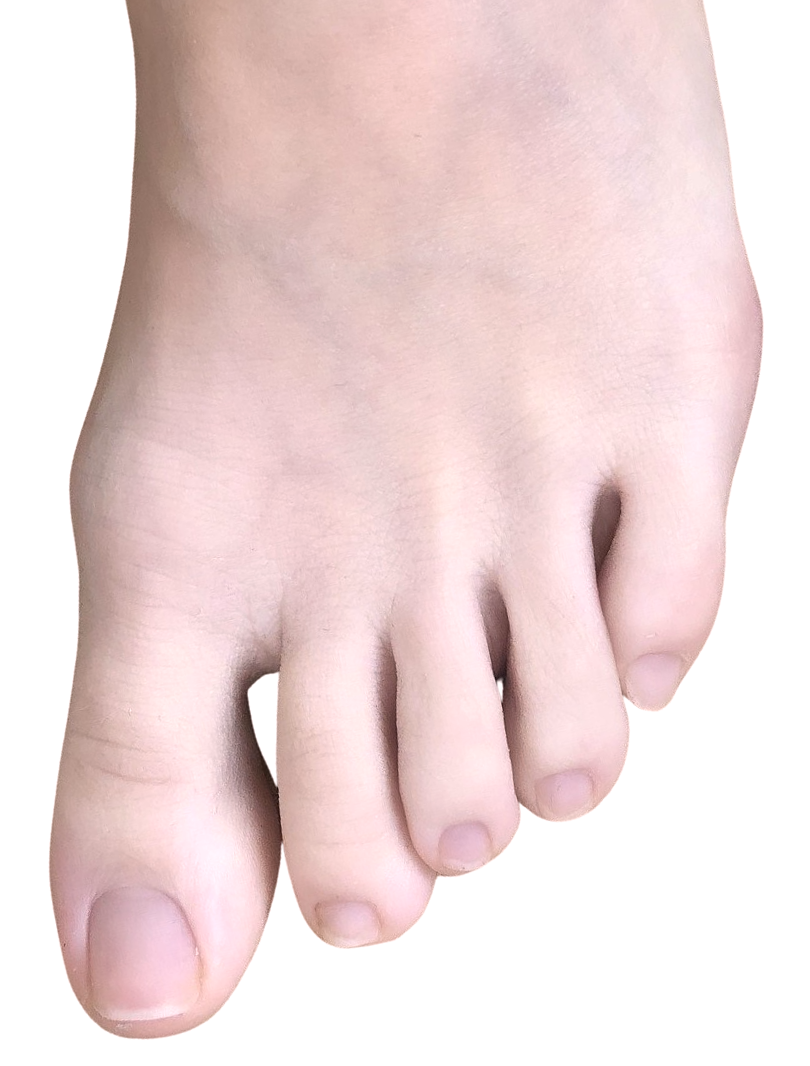
The hallux, commonly known as the big toe, is the most medial toe of the human foot and typically the largest. It plays a key role in standing balance, shock absorption and forward propulsion during walking and running. For a concise introduction see big toe overview.
Image gallery
8 Images



Structure and anatomy
The hallux is distinct from the other toes in having two phalanges (proximal and distal) instead of three. It articulates with the first metatarsal at the first metatarsophalangeal (MTP) joint. Beneath the joint lie the sesamoid bones embedded in tendons of the flexor hallucis brevis; these increase mechanical advantage. Major muscles and tendons acting on the hallux include the extensor hallucis longus, flexor hallucis longus, flexor hallucis brevis and associated intrinsic foot muscles. For more on related foot structures see foot anatomy.
Function in gait and posture
During the stance phase of gait the hallux bears load and contributes to the final push-off. Its alignment and mobility influence pressure distribution under the forefoot and overall walking economy. Reduced dorsiflexion at the first MTP joint can impair push-off and increase stresses elsewhere in the foot and lower limb.
Development, variation and heredity
Hallux length, alignment and certain predispositions (for example to bunions) have hereditary elements and also reflect developmental influences such as footwear, activity and injury. Descriptive toe patterns have been used in popular anthropology; for genetics and development see developmental sources.
Evolution and comparative biology
The form and function of the hallux vary widely among vertebrates. In many nonhuman primates the hallux is more opposable to assist grasping, while in humans it is aligned with the other toes to support bipedal locomotion. Some birds exhibit a reversed hallux that points backward to help grip perches and prey; see avian examples at avian hallux. Comparative discussions of hominid foot evolution are available at hominid foot resources.
Common clinical conditions
- Hallux valgus (bunion) — progressive lateral deviation of the hallux with prominence at the first MTP joint.
- Hallux rigidus — degenerative arthritis or stiffness of the first MTP joint leading to pain on dorsiflexion.
- Turf toe — soft-tissue injury from hyperextension, common in athletes.
- Nail problems, ingrown nails, calluses and infections that affect comfort and function.
Diagnosis and treatment
Assessment typically includes clinical examination and weight-bearing imaging when structural changes are suspected. Initial management often emphasises footwear modification, activity changes, padding or splints and targeted exercises. Orthotics and anti-inflammatory measures can help, while persistent or severe structural problems may require surgical correction. Comparative veterinary perspectives on toe injuries and treatment are discussed at comparative foot care.
Prevention and care
Practical measures to protect the hallux include wearing well-fitting shoes with sufficient toe-box space, gradual conditioning for sport, maintaining foot hygiene and addressing pain or deformity early. Simple exercises to maintain joint mobility and strengthen intrinsic foot muscles can support long-term function.
Further resources
For clinical guidelines, patient advice and deeper anatomical references consult professional sources and review literature; introductory materials and patient-facing guides are available via big toe resources and rehabilitation information at rehabilitation and footwear.
Related articles
Author
AlegsaOnline.com Hallux (Big Toe): Anatomy, Function, Evolution and Clinical Notes Leandro Alegsa
URL: https://en.alegsaonline.com/art/41960