
Hallopus — a small prehistoric crocodylomorph once misidentified as a dinosaur
Hallopus is a small, lightly built prehistoric crocodylomorph. Named by O. C. Marsh in 1881 and once classified as a dinosaur, it is now interpreted as an early crocodylomorph with cursorial adaptations.
Overview
Hallopus is an extinct genus of small, agile crocodylomorph known from Mesozoic terrestrial deposits. It was first named in 1881 by Othniel Charles Marsh, who originally assigned the material to a dinosaur. Subsequent study of its limb and ankle bones led paleontologists to reinterpret Hallopus as an early relative of modern crocodilians, broadly grouped among basal crocodylomorphs.
Image gallery
10 Images
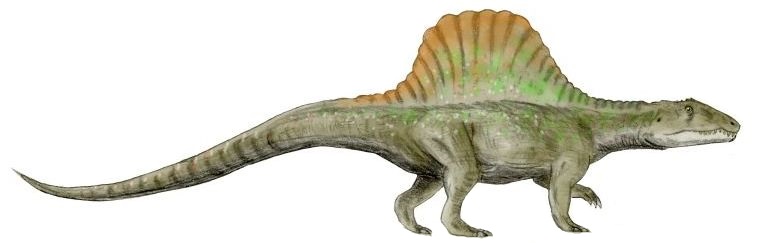


Anatomy and likely lifestyle
Fossils attributed to Hallopus show a lightly built skeleton with long, slender limb elements and adaptations that suggest a cursorial (running) mode of life. Its bones indicate greater mobility at the ankle and a gracile build compared with the heavy, semi-aquatic anatomy of later crocodilians. From these features researchers infer Hallopus was terrestrial, probably an active predator or insectivore that relied on speed rather than ambush.
Key characteristics
- Small body size and slim limb bones consistent with fast locomotion.
- Specialized ankle and foot anatomy, differing from aquatic crocodilians.
- Skull and jaw elements (when preserved) indicate a carnivorous diet.
Discovery and classification history
The genus has a complex taxonomic history. Marsh's original description placed the fossils among dinosaurs, a common occurrence in the early days of paleontology when fragmentary remains were often misinterpreted. Later comparative work recognized that the anatomy fits better with basal crocodylomorphs, a lineage that produced a variety of small, terrestrial forms in the Mesozoic. Over time Hallopus has been compared with sphenosuchians and other early crocodylomorph groups as researchers refined the tree of archosaur relationships.
Paleoecology and significance
As a small, fleet-footed carnivore, Hallopus illustrates the ecological diversity of early crocodylomorphs, which included not only the later semi-aquatic crocodilians but also numerous terrestrial, cursorial forms. Its reclassification from dinosaur to crocodylomorph highlights how improved anatomical study and new fossil discoveries can change our understanding of fossil organisms and their relationships.
Notes
Because much of the historical material is fragmentary, some details of Hallopus anatomy and exact affinities remain subject to revision as new specimens or analyses appear. For a general overview of crocodylomorph diversity see sources that discuss basal crocodylomorphs and early archosaur evolution.
Related articles
Author
AlegsaOnline.com Hallopus — a small prehistoric crocodylomorph once misidentified as a dinosaur Leandro Alegsa
URL: https://en.alegsaonline.com/art/41937