
Hamster: biology, behavior, and relationship with people
Comprehensive overview of hamsters: classification, anatomy, behavior, natural history, common species, keeping as pets, husbandry basics, role in research, and conservation considerations.
Overview
Hamsters are small rodents of the subfamily Cricetinae. The group contains roughly two dozen species distributed among several genera; taxonomic treatments and counts vary. For general taxonomic context consult broader rodent classification and genus-level resources at genera resources. Wild hamsters occur across parts of Eurasia and have adapted to open, often dry or semi-arid habitats.
Image gallery
10 Images






Taxonomy and common species
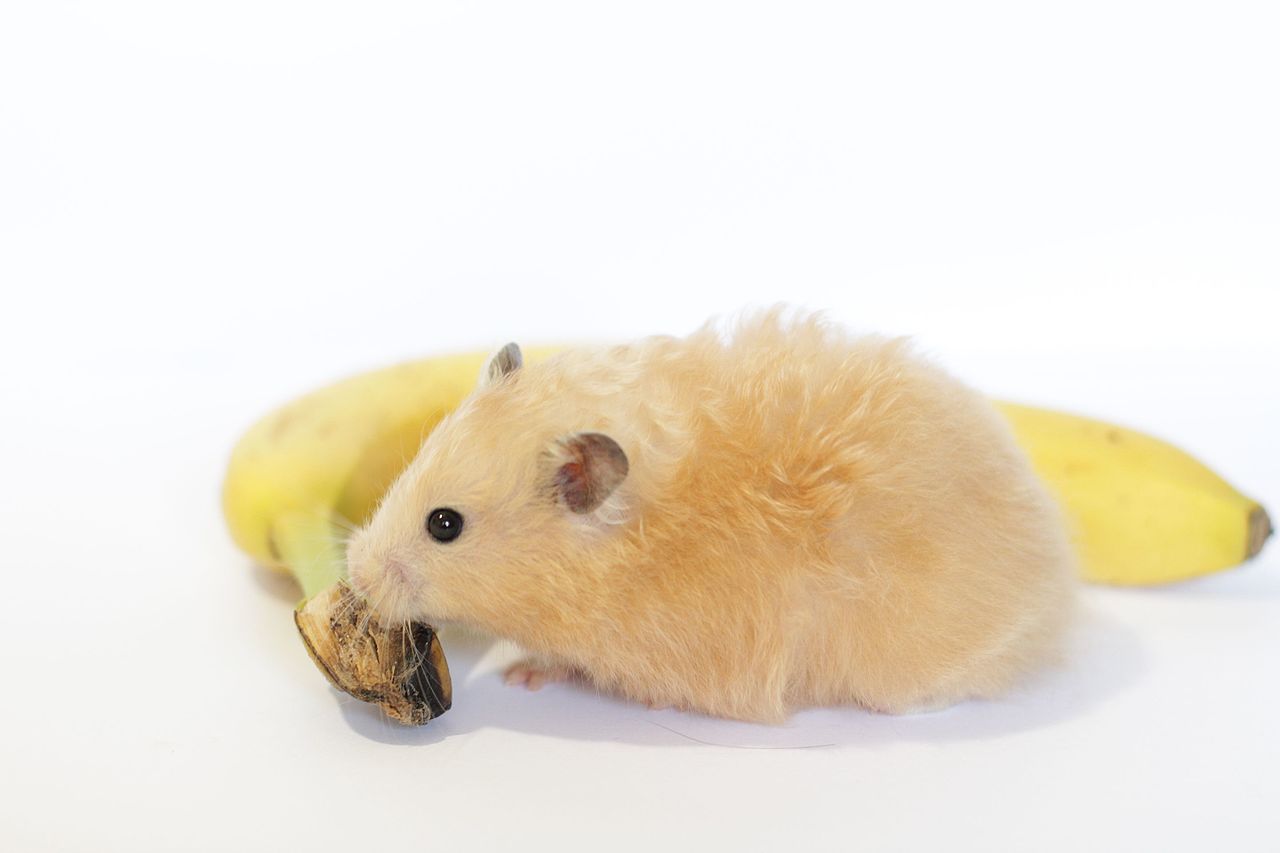
Popular pet and study species include the Syrian (golden) hamster and several dwarf hamsters. More complete species summaries are available at species lists. Typical species referenced in pet and field literature are:
- Syrian hamster (Mesocricetus auratus) — the larger, commonly kept and often solitary pet.
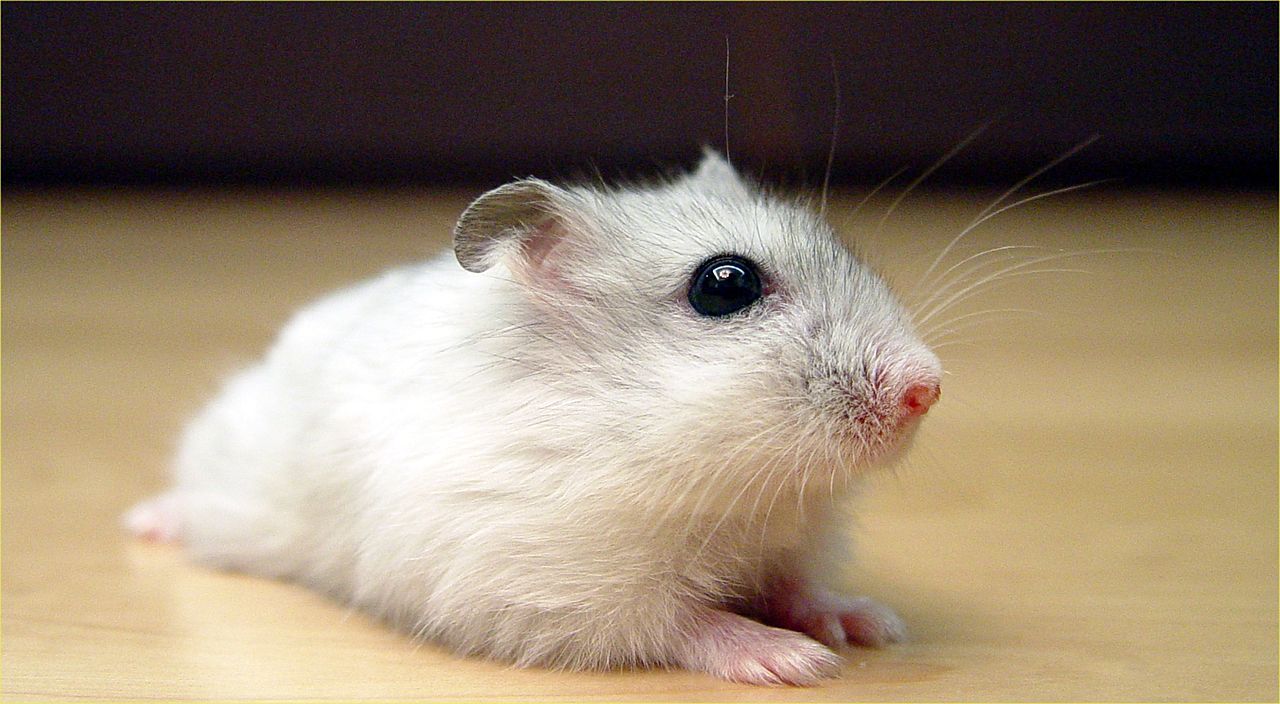
- Campbell's dwarf (Phodopus campbelli) and Winter White dwarf (Phodopus sungorus) — small dwarf species that sometimes tolerate conspecifics.
- Roborovski dwarf (Phodopus roborovskii) — very small and fast; often kept for observation rather than handling.
- Chinese hamster (Cricetulus griseus) — more slender with a relatively longer tail.
Anatomy and physiology
Hamsters are compact, with short tails and cheek pouches that extend to the shoulders. These expandable pouches are used to transport and temporarily store food. Their dentition is typical of rodents, with continuously growing incisors adapted for gnawing. Fur, coloration and size vary by species and by captive breeding lines; selective breeding has produced a range of coat colors and patterns in pet populations, an aspect covered in histories of domesticated hamsters.
Behavior and ecology
Most hamsters are crepuscular or nocturnal and construct multi-chambered burrows where they sleep, rear young and store food. Diets in the wild are omnivorous but seed-heavy: seeds, grains, fruits, green plant parts and occasional insects form the bulk of intake; see general feeding summaries at feeding ecology. In nature some species show seasonal changes in activity levels and may enter brief torpor in response to cold and scarce food.
Reproduction and life cycle
Hamsters reach sexual maturity quickly and have relatively short gestation periods compared with many mammals. Litters of several young are typical; parental care strategies vary by species. Because young develop rapidly, captive breeding requires planning to ensure the health of both adults and pups and to avoid unwanted litters.
Hamsters as pets and husbandry basics
Hamsters are popular household pets for many reasons: small size, compact housing needs and demonstrable behaviors. The Syrian hamster is commonly kept singly, while some dwarf species may tolerate same-sex or paired housing if introduced properly. Responsible ownership involves:
- Providing an appropriately sized enclosure with hiding places and burrowing substrate.
- Offering exercise such as a properly sized wheel, enrichment and chewing materials.
- Feeding a balanced diet tailored to species and life stage; see general pet-care resources at pet care resources.
- Scheduling veterinary care for common issues and seeking specialist advice when needed.
Comparisons with similar small rodents can help owners choose an appropriate species; for a general comparison see mouse comparison.
Health, veterinary concerns and welfare
Common health issues include dental overgrowth, skin problems and respiratory infections. Early detection and prompt veterinary attention improve outcomes. Welfare considerations include appropriate social arrangements, environmental enrichment and species-appropriate diet and habitat. Before acquiring a hamster consult adoption and breeder guidance at pet adoption info and further owner guidance at comparative pet guides.
Role in research and conservation
Hamsters have been used as laboratory animals in studies of infectious disease, reproduction and physiology because of their manageable size and reproductive characteristics. At the same time, some wild populations face habitat loss or fragmentation; conservation assessments and habitat profiles can be consulted for region-specific information at habitat profiles and applied ecology sources at ecology resources.
Further reading and resources
For broader taxonomic information and authoritative summaries refer to general references on rodents and mammal diversity at taxonomic references, and for species- or region-specific details consult the species lists and genus resources linked above. Practical care guides and local rescue organizations provide up-to-date advice for prospective or current owners; see local adoption information and care guidance at pet care resources and domesticated hamsters.
Questions and answers
Q: What subfamily do hamsters belong to?
A: Hamsters belong to the subfamily Cricetinae.
Q: How many species of hamsters are in the subfamily?
A: There are about 25 species of hamsters in the subfamily Cricetinae.
Q: What kind of animals are hamsters commonly kept as?
A: Hamsters are commonly kept as small house pets.
Q: Where do wild hamsters live?
A: Wild hamsters live in the desert.
Q: What is the activity pattern of hamsters?
A: Hamsters are crepuscular, meaning they are active during dawn and dusk.
Q: What do hamsters feed on in the wild?
A: In the wild, hamsters feed on seeds, fruits, and vegetation, and occasionally eat burrowing insects.
Q: What physical features distinguish hamsters?
A: Hamsters are distinguished by their large cheek pouches, and relatively short tail. They use their long cheek pouches (extending to their shoulders) to carry food back to their burrows.
Related articles
Author
AlegsaOnline.com Hamster: biology, behavior, and relationship with people Leandro Alegsa
URL: https://en.alegsaonline.com/art/42122
Sources
- species.wikimedia.org : Cricetinae
- commons.wikimedia.org : Cricetinae