
Hakka language: characteristics, history, dialects and global presence
Hakka is a Sinitic language variety spoken by the Hakka people and their descendants across southern China, Taiwan, East and Southeast Asia and global diaspora communities.
Overview
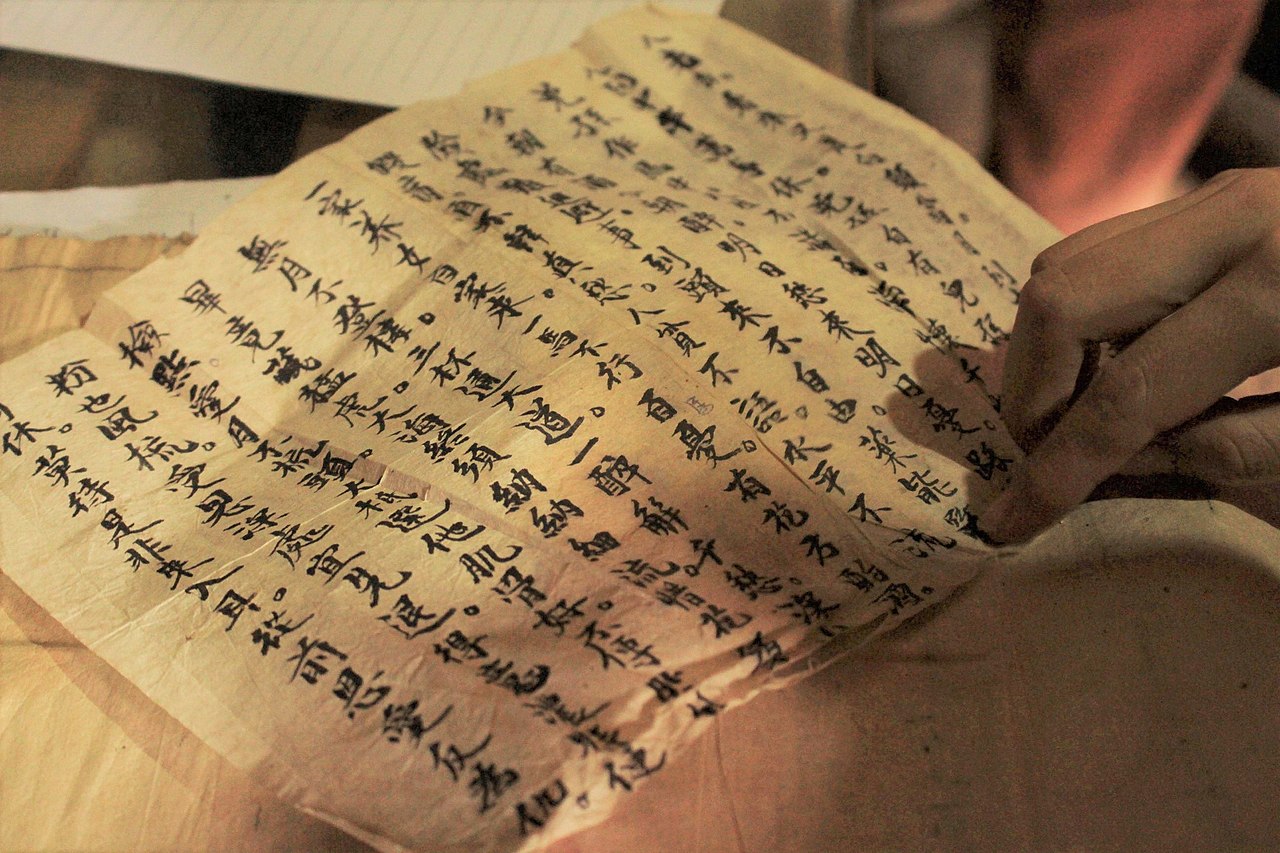
The Hakka language is a branch of the Chinese language family spoken by the Hakka people and their descendants. It is sometimes called a "dialect" in popular usage but linguists treat Hakka as one of several major Sinitic varieties. Speakers use Chinese characters in writing and a number of romanization schemes are available for study and language preservation.
Image gallery
6 Images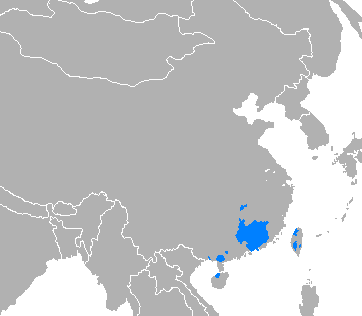


Characteristics
Hakka shares many grammatical patterns with other Chinese varieties but retains distinct phonological and lexical features. Typical characteristics include a rich tone system, the preservation of certain final consonants lost in Mandarin, and a set of consonant initials that may differ from neighbouring varieties. Vocabulary and pronunciation vary significantly between local Hakka varieties.
- Tonal language: tones distinguish word meaning.
- Syllable structure: often retains stop codas.
- Lexical uniqueness: some words and expressions distinct from Mandarin and Cantonese.
Dialects and regional groups
Hakka is not uniform; it consists of multiple regional variants. Some well-known groups used in linguistic and cultural contexts include:
- Meixian (often treated as a prestige standard)
- Sixian and Hailu (common in Taiwan)
- Yongding and Dabu (mainland China)
Mutual intelligibility can be limited between these varieties, and between Hakka and other Chinese languages such as Mandarin or Cantonese.
History and development
The Hakka language developed as speakers migrated across China over many centuries. The name "Hakka" itself reflects a history of movement and settlement. Over time, communities adapted local speech and preserved older linguistic features, which is why Hakka sometimes contains forms considered conservative compared with nearby languages.
Geographic distribution and use
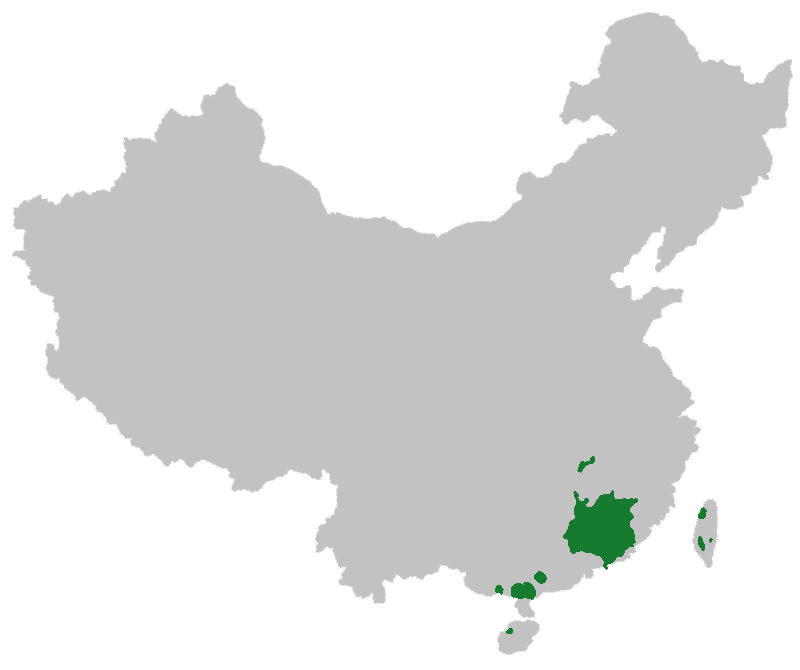
Hakka is concentrated in parts of southern China and Taiwan and is spoken by diaspora communities across East Asia and Southeast Asia. It remains a living vernacular used in family life, regional media, folk music, and cultural events. In some countries Hakka-language schools, radio programs, and cultural associations promote the language among younger generations.
Notable points
Hakka has attracted scholarly attention for its internal diversity and historical significance. Romanization systems such as Pha̍k-fa-sṳ help learners and researchers. The language plays an important role in preserving Hakka identity, traditional songs and oral literature, and it continues to adapt as communities move and intermix globally. For general context on Chinese languages see related resources.
Related articles
Author
AlegsaOnline.com Hakka language: characteristics, history, dialects and global presence Leandro Alegsa
URL: https://en.alegsaonline.com/art/41828