
High five
A high five is a brief, two-person hand gesture used to mark success, solidarity, or greeting; it has sporting roots and many social variations.
Overview
The high five is a simple hand gesture exchanged by two people who raise one hand each and clap palms together, typically above shoulder height. It functions as a nonverbal signal of celebration, agreement, encouragement, or mutual recognition. The name refers to the five fingers of the raised hand and contrasts with similar gestures that use fists or lower hand positions.
Image gallery
10 Images



Characteristics
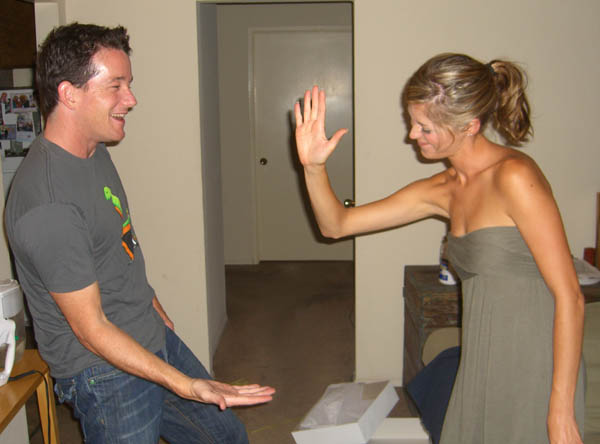
Physically, a conventional high five involves an open palm, fingers extended, and a short, deliberate slap. Timing, height, and angle vary, and a successful high five requires brief eye contact or mutual anticipation. It is brief, reciprocal, and usually accompanied by a smile or vocal exclamation.
History and origins
The gesture developed into a widespread social practice in the late 20th century and became especially visible through sports and popular culture. While variations of palm-to-palm greeting existed earlier, the modern, elevated form was popularized in the United States during the 1970s and is often associated with professional athletes who helped introduce it to broader audiences.
Uses and examples
High fives appear in many settings: athletic celebrations after scoring, classmates acknowledging a correct answer, coworkers celebrating a small victory, or friends greeting one another. They function both as spontaneous expressions of joy and as quick social rituals that reinforce group bonds.
Variations and etiquette
- Low five: a palm slap performed waist-high.
- High ten: using both hands for an exaggerated exchange.
- Air five: a mock high five without contact.
Social context affects appropriateness: some situations call for restraint or alternatives (fist bumps, verbal praise), and concerns about hygiene or contagion have occasionally reduced physical contact.
Notable facts
Beyond celebration, the high five has symbolic uses in media, advertising, and activism to signal unity or success. Its adaptability—ranging from playful to formal—helps explain why it remains a common and recognizable part of modern nonverbal communication.
Related articles
Author
AlegsaOnline.com High five Leandro Alegsa
URL: https://en.alegsaonline.com/art/44095