
Hair coloring (hair dyeing)
Comprehensive overview of hair coloring: methods from temporary to permanent, chemistry and techniques, historical background, common uses, maintenance, and safety considerations.
Overview
Hair coloring, also called hair dyeing, is the deliberate alteration of hair color through chemical or natural agents. People change hair color for many reasons: to conceal gray, to refresh a natural shade, to express personal style, to correct sun or salon damage, or to achieve dramatic fashion colors. Typical processes range from rinses and temporary paints to permanent oxidative dyes and bleaching that remove natural pigments. For a general primer and resources on methods, see hair coloring.
Image gallery
10 Images





Composition and chemistry
Commercial permanent dyes generally rely on two steps: lifting the original pigment and then depositing new color molecules. Hydrogen peroxide (a developer) and alkaline agents such as ammonia open the hair cuticle and allow color precursors to penetrate. Semi-permanent and temporary products coat the hair surface or deposit larger molecules that fade with washing. Natural alternatives such as henna or plant-based extracts produce color through staining rather than oxidation.
Types and application techniques
Practices and results vary widely. Common categories include:
- Temporary: rinses, sprays, or chalk that wash out after one or a few shampoos.
- Semi-permanent: longer-lasting coating dyes that fade over weeks.
- Permanent: oxidative dyes that change pigment chemically and require regrowth touch-ups.
- Lightening/bleaching: removes pigment to achieve blonde or prepare for vivid colors.
- Natural dyes: plant-based options such as henna or indigo that stain the hair fiber.
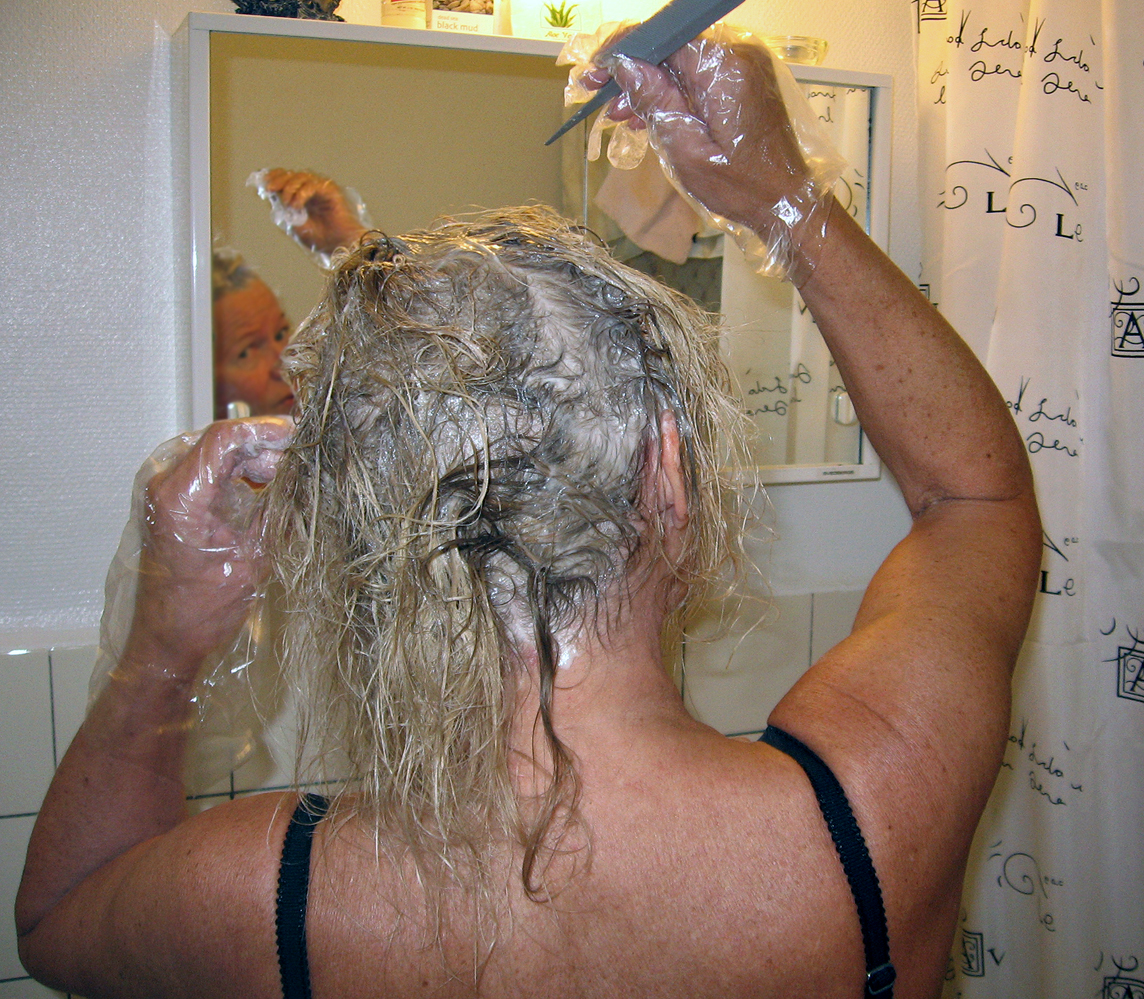
Techniques include full color, highlights, lowlights, balayage, and toner application. Decisions about salon professional versus at-home kits, strand testing, and patch testing affect outcome and safety; more on choosing a provider is available at salon vs home.
History and development
Coloring hair is an ancient practice with examples across cultures using plant extracts, mineral pigments, and later chemical compounds. Manuals from early modern Europe describe recipes for black, gold, red and other shades; a 17th-century source, for example, records multiple methods and recipes for coloring hair and beards (historical notes).
Uses, cultural significance and examples
Beyond cosmetic correction, hair color signals fashion, identity, group affiliation, or stage character. Subcultures have used vivid unnatural shades to express individuality; meanwhile conservative color choices remain common in professional settings. Stylists combine colorists' techniques to create subtle depth or bold contrasts depending on client goals.
Risks, care and notable distinctions
Potential downsides include allergic reactions (often to ingredients like PPD), hair dryness or breakage from repeated chemical processing, uneven tones after bleaching, and color fading from sun, heat styling, or harsh shampoos. Bleaching carries particular risk of weakening hair and scalp irritation—see guidance on lightening and precautions at bleaching risks. Routine care includes gentle, color-safe shampoos, conditioning treatments, limited heat exposure, and periodic touch-ups to manage regrowth. Distinct from temporary fashion coloring, permanent dyes alter hair pigment until new growth appears and therefore require maintenance.
Related articles
Author
AlegsaOnline.com Hair coloring (hair dyeing) Leandro Alegsa
URL: https://en.alegsaonline.com/art/41799
Sources
- books.google.com : Eighteen books of the secrets of art & nature
- dx.doi.org : 10.1002/14356007.a12_571.pub2