
Hair iron: types, function, uses and safety
A hair iron (hair tong) is a heated styling tool used to straighten, curl, wave or crimp hair. This article explains types, materials, techniques, safety tips and common distinctions.
Overview
A hair iron, also called a hair tong or styling iron, is an electrically heated tool used to change the shape and texture of hair by applying heat. These devices allow people to straighten, curl, create waves or add texture. Professional and consumer models vary in size, temperature control and specialty features, but they all depend on controlled heat to temporarily alter hair structure.
Image gallery
5 Images


Main types
- Flat irons (straighteners): Two smooth heated plates clamp hair to smooth and straighten strands.
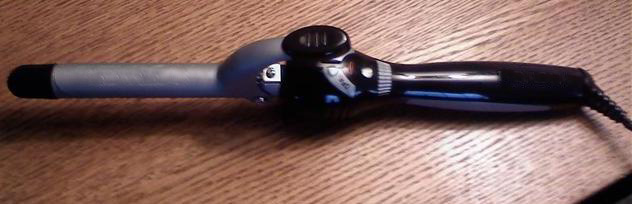
- Curling irons and wands: Cylindrical barrels (with or without a clamp) wrap hair to create curls or waves; barrel diameter affects curl size.
- Crimpers: Ridged plates produce a zigzag texture for pronounced crimps.
- Hot combs and specialty irons: Comb-shaped or shaped plates are used for rapid straightening or specific textures.
Each type is chosen for the desired result: sleek straight styles, tight or loose curls, beach waves or textured crimps.
Materials and features
Plates and barrels are commonly made from ceramic, tourmaline-coated surfaces, titanium or metal alloys. Ceramic is prized for even heat distribution, tourmaline is marketed to reduce frizz by emitting negative ions, and titanium heats quickly and holds high temperature. Modern irons often include adjustable heat settings, swivel cords, safety auto-shutoff and variable plate widths or barrel sizes for different hair lengths and thicknesses.
Uses, technique and safety
Before styling, hair is usually clean and dry; many stylists recommend a heat-protectant product. Work in small sections, use a temperature suited to hair type and avoid excessive passes to limit damage. Common precautions include avoiding application to wet hair unless the tool is designed for wet-to-dry use, keeping irons away from skin to prevent burns, and unplugging when not in use. Regular cleaning of plates prevents product buildup and helps maintain performance.
History and notable distinctions
Heated tools for shaping hair evolved from non-electric tongs warmed on stoves to electrically heated models that became widespread in the 20th century. Distinctions to consider when choosing a tool include plate material, size (narrow for short hair or tight curls; wide for long, straight styles), and whether the device is intended for professional or home use.
For broader context about styling tools and care, see related resources on hair styling tools. Following sensible technique and safety guidance will achieve desired styles while minimizing heat-related damage.
Related articles
Author
AlegsaOnline.com Hair iron: types, function, uses and safety Leandro Alegsa
URL: https://en.alegsaonline.com/art/41802
Sources
- patents.google.com : "Hair-straightener"
- patents.google.com : "Hair-straightener"
- dspace.mit.edu : "Read, Melissa B. "Designing a Better Hair Straightener." MIT"