
Harris Tweed: the handwoven cloth of the Outer Hebrides
Harris Tweed is a legally protected tweed handwoven in island homes of Scotland’s Outer Hebrides from pure virgin wool, overseen by statute and industry authorities and prized for durability and provenance.
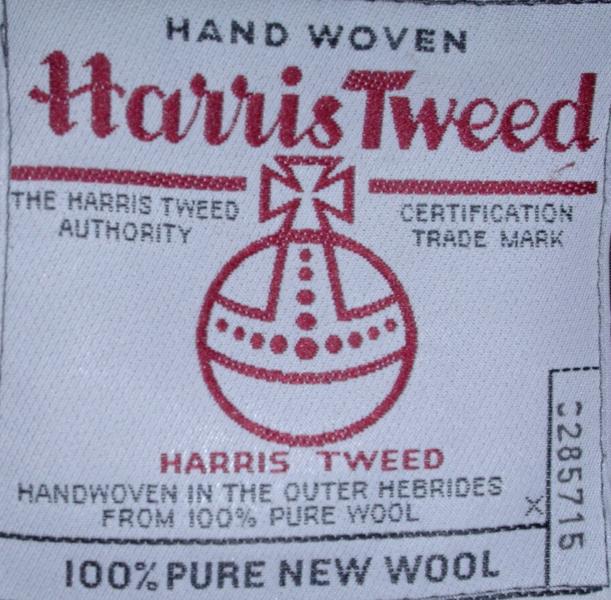
Harris Tweed is a tweed cloth that must be handwoven by islanders in their homes in the Outer Hebrides, finished in the islands and made from pure virgin wool that is dyed and spun locally. This precise definition and the rules that protect the name are set out in law and enforced by the industry authority; an official mark is applied only to cloth that meets the statutory requirements. The protected identity ties the fabric to place, technique and material, and has helped preserve both reputation and small-scale livelihoods.
Image gallery
9 Images


Characteristics
- Handwoven structure: each length is traditionally woven on a domestic loom rather than produced in a factory, a requirement that underpins the cloth’s authenticity and character; the term handwoven carries legal meaning in certification.
- Material and finish: wool is dyed and spun in the islands, producing distinctive colour blends and natural heathers; the cloth is finished locally to meet quality standards.
- Performance: dense weave and robust yarns give warmth, abrasion resistance and good behaviour in windy, wet conditions—traits that made it suitable for outdoor and maritime life.
- Appearance: the palette ranges from subtle heathers to bold checks, tweed patterns and herringbone, achieved by blending dyed fibres before spinning.
Production process
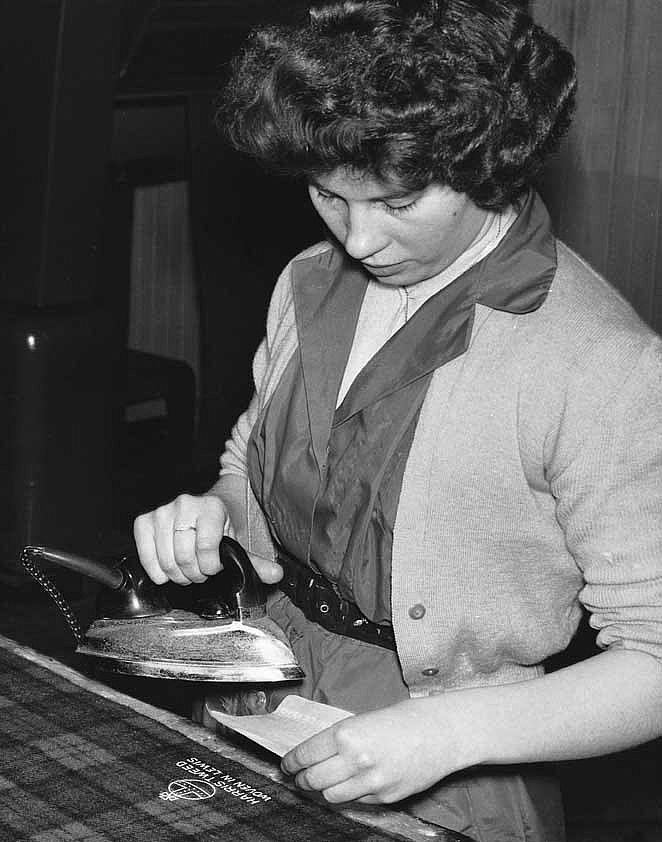
Production starts with selecting and dyeing the wool, usually pure virgin fleece, then spinning it into yarn and preparing it for weaving. Independent weavers on different islands work from home crofts and small workshops, producing lengths of cloth on looms that vary in make and age. After weaving, cloth is inspected, finished and certified before the official mark is applied. This sequence keeps the entire process rooted in the islands and visible to regulators and consumers.
History and legal protection
The cloth has deep associations with the Isle of Harris and neighbouring islands and developed from domestic weaving traditions into a well-known commercial textile during the 19th and 20th centuries. Growth in demand prompted formal protection to prevent misuse of the name and to preserve the standards linked to the islands. The definition, quality standards and protection of the Harris Tweed name are detailed in the Harris Tweed Act; the industry body that administers certification upholds those standards and licenses use of the familiar orb trademark.
Uses and cultural significance
- Apparel: jackets, coats, caps and tailored garments that benefit from the cloth’s durability and insulating qualities.
- Interiors and crafts: upholstery, cushions and decorative items that exploit tweed’s texture and colour depth.
- Heritage value: the fabric functions as both a practical material and a symbol of craftsmanship, locality and continuity in Scotland.
Contemporary industry and sustainability
Today Harris Tweed occupies traditional and contemporary roles. Small-scale producers and registered weavers maintain the craft while designers and brands collaborate to reinterpret the cloth in modern fashion and lifestyle contexts. The emphasis on local production, natural fibres and traceability appeals to consumers interested in artisanal and sustainable textiles. For more information about standards, certification and the fabric’s cultural role, see authoritative sources on Harris Tweed and local heritage initiatives.
Questions and answers
Q: What is Harris Tweed?
A: Harris Tweed is a type of tweed cloth that is handwoven by islanders at their homes in the Outer Hebrides of Scotland.
Q: Who makes Harris Tweed?
A: Harris Tweed is handwoven by islanders who make it at their homes in the Outer Hebrides of Scotland.
Q: What is the material of Harris Tweed made from?
A: Harris Tweed is made from pure virgin wool that is dyed and spun in the Outer Hebrides.
Q: Where is Harris Tweed finished?
A: Harris Tweed is finished in the Outer Hebrides.
Q: What is the Harris Tweed Act of 1993?
A: The Harris Tweed Act of 1993 sets out the definition, quality standards, and protection of the Harris Tweed name.
Q: Why is Harris Tweed famous?
A: Harris Tweed is famous for being wind-resistant.
Q: What does the manufacture of Harris Tweed protect?
A: The manufacture of Harris Tweed protects the reputation of the cloth.
Related articles
Author
AlegsaOnline.com Harris Tweed: the handwoven cloth of the Outer Hebrides Leandro Alegsa
URL: https://en.alegsaonline.com/art/42559
Sources
- legislation.gov.uk : "Harris Tweed Act 1993 (c. xi)"