
Hanbok: Traditional Korean Dress — History, Styles, and Cultural Role
Hanbok is the traditional Korean attire known for flowing lines, vivid colors and symbolic components. It developed across centuries and remains central to ceremonies, identity and modern fashion adaptations.
Hanbok refers to the traditional clothing of Korea, a set of garments distinguished by graceful lines, vibrant colors and a layered silhouette. The Korean word for the garment is rendered in Hangul as 한복 and literally means "Korean clothing," though in contemporary usage it usually denotes the historic styles most associated with the Joseon dynasty. In the North Korean context, a comparable term is Choson-ot (조선옷). Hanbok has remained a visible part of Korean life for centuries and continues to appear in ceremonies, festivals and everyday fashion reinterpretations.
Image gallery
10 Images



Characteristics and principal components
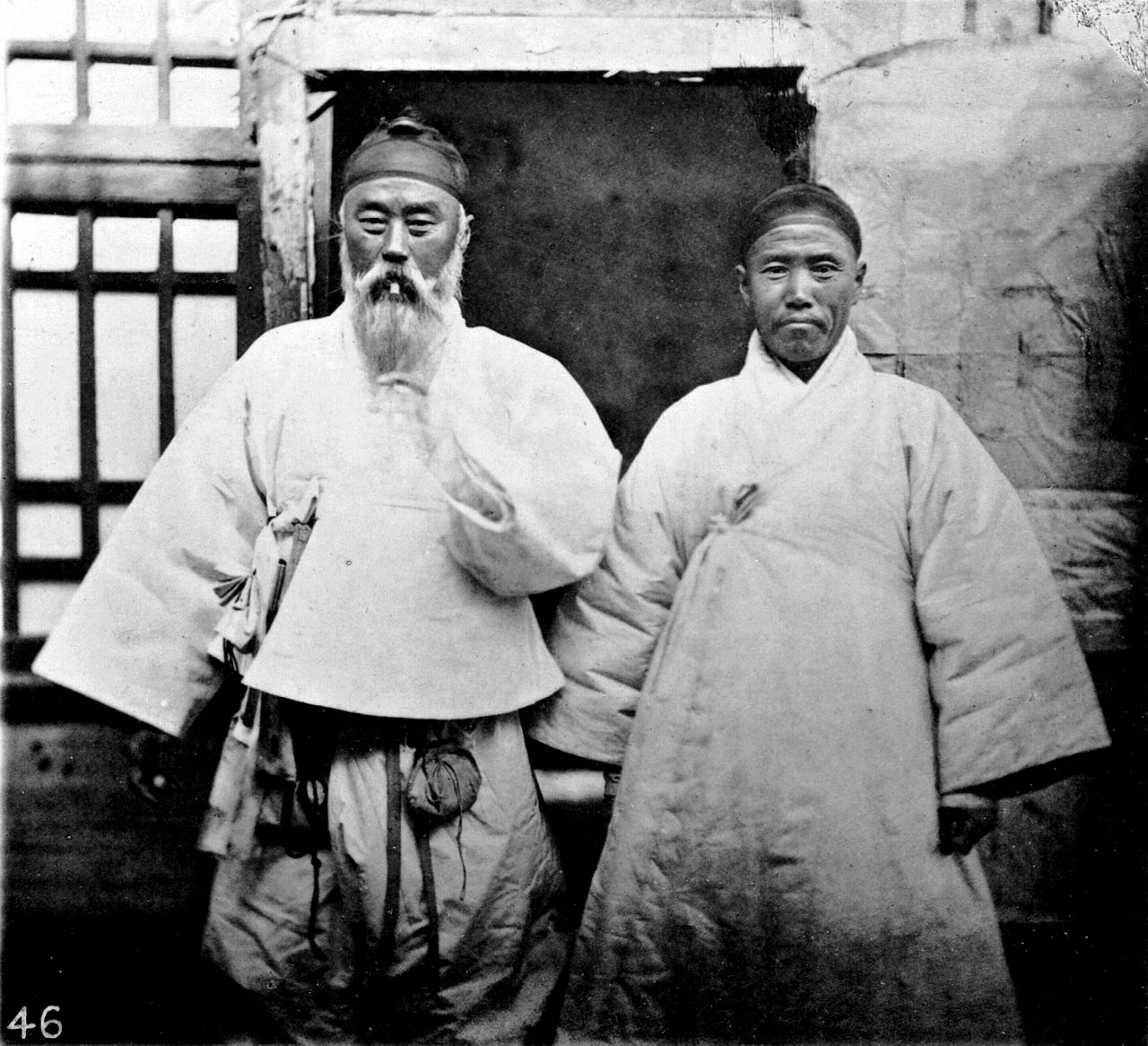
Hanbok emphasizes smooth, uninterrupted curves and a clear separation between the upper and lower body. Typical female attire pairs a short jacket (jeogori) with a full wrap-around skirt (chima). Male hanbok commonly combines a jacket with tapered trousers (baji). Additional outer garments such as the durumagi (overcoat) or po (long robe) provide warmth and formality. Accessories—sashes, norigae pendants, headwear and shoes—complete the ensemble and historically signaled the wearer's age, marital status and rank.
Materials, colors, and symbolism
Traditional hanbok was made from natural fibers like hemp, ramie and silk, chosen for seasonality and social standing. Colors and decorative motifs carried symbolic meaning: bright hues often denoted youth or festivity, while more subdued tones suited daily wear. Patterns such as clouds, cranes or geometric medallions were used sparingly and sometimes reserved for officials or royalty. Throughout history, textiles and ornamentation were subject to norms that regulated who could wear certain colors, materials or embroidered emblems.
History and development
Elements of what is now recognized as hanbok can be traced to early Korean states. Archaeological evidence and tomb murals from early periods show distinct garments with layered robes and belts; in particular, mural paintings of the Goguryeo kingdom illustrate early silhouettes and motifs that influenced later forms. Over centuries, Korean dress absorbed selective foreign influences while retaining core indigenous features. During the long Joseon era, the silhouette and etiquette of hanbok became more standardized, producing the familiar shapes most associated with the term today. For broader background on early sources and archaeological finds, see resources about Korean dress history at Goguryeo and related studies and general references to traditional Korean clothing.
Social role, ceremonial use and regulation
Hanbok functioned as a social language: cut, fabric and ornamentation communicated gender, marital status, profession and rank. Courts and governments issued rules that restricted certain materials or motifs to royalty and officials; for example, specific embroidered emblems and gold threads were traditionally reserved for the royal household. Special versions of hanbok were developed for weddings, funerals, state rituals and seasonal festivals, each incorporating symbolic colors and accessories appropriate to the occasion.
Contemporary revival and adaptations
In modern times hanbok has seen a cultural revival and stylistic reinterpretation. Many Koreans wear hanbok for weddings, holidays such as Seollal and Chuseok, milestone ceremonies and cultural performances. Designers have also adapted hanbok elements into daily wear and haute couture, simplifying lines, changing proportions or using new fabrics to make the garments more practical for contemporary life. Museums, cultural centers and festivals worldwide exhibit hanbok to explain its history and craftsmanship to international audiences.
Notable distinctions and facts
- Although the basic components are consistent, regional, historical and class differences produced many visible variants of hanbok through time.
- Modern interest in hanbok includes both faithful recreations and creative hybrids that merge traditional motifs with present-day fashion sensibilities.
- Because hanbok conveys cultural identity, it is often used in film, television and tourism to evoke Korean history and aesthetics.
Hanbok remains a living tradition: simultaneously a marker of history and an evolving element of contemporary Korean culture. For introductory materials and images of historic examples, consult reputable collections and cultural institutions that specialize in Korean dress and textile history.
Questions and answers
Q: What is hanbok?
A: Hanbok is traditional Korean clothing.
Q: What is it referred to as in North Korea?
A: In North Korea, hanbok is referred to as Choson-ot (조선옷).
Q: What are some characteristics of hanbok?
A: Hanbok is known for its vivid colors and straight and curved lines.
Q: What does hanbok indicate specifically today?
A: Today, hanbok indicates a traditional garment, especially that of the Joseon dynasty.
Q: How long has hanbok been a part of Korean culture?
A: Hanbok has been a great part of Korean culture throughout history.
Q: What is the oldest form of hanbok?
A: The oldest form of hanbok can be seen in tomb mural paintings from the Goguryeo Kingdom (37 B.C.-668 A.D.).
Q: Are there different types of hanbok?
A: Yes, there are several kinds of hanbok for men, women, royal court, government officials, and children. People wore different sorts according to their social statuses, sexes, and jobs.
Related articles
Author
AlegsaOnline.com Hanbok: Traditional Korean Dress — History, Styles, and Cultural Role Leandro Alegsa
URL: https://en.alegsaonline.com/art/42150
Sources
- kin.naver.com : kin.naver.com/knowhow/detail.nhn?d1id=10&dirId=10&docId=534155&qb=TW9yZSB0aGFuIHRocmVlIGR…
- mcst.go.kr : mcst.go.kr/main.jsp