
Hairstyle: forms, functions, history and cultural meanings
Comprehensive overview of hairstyles: definitions, common types, tools and maintenance, social and cultural roles, historical development, gender differences and practical considerations.
Overview
A hairstyle is the way hair is cut, arranged or finished on an individual's head. A simple haircut may be primarily functional, while a hairdo implies deliberate shaping that can involve tools, products and professional skill. The practice sits at the intersection of personal grooming, fashion and cosmetics and is described in many introductory sources as the basic definition of a hairstyle.
Image gallery
10 Images



Types and common forms
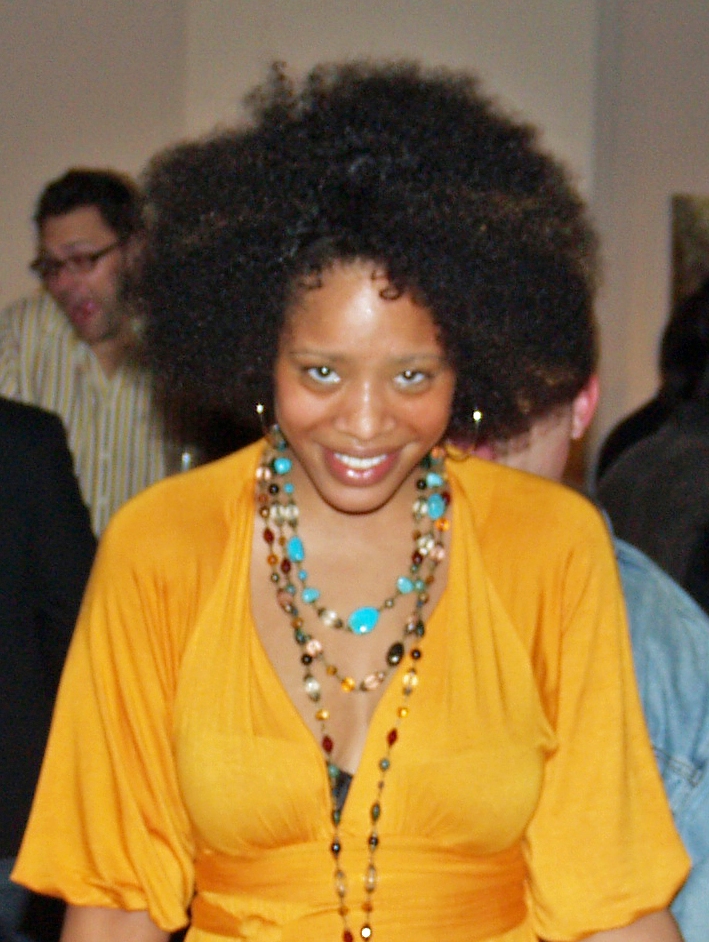
Hairstyles are commonly grouped by length, texture and arrangement. Short styles include buzz cuts and crew cuts; medium-length styles include bobs and lobs; long styles may feature layers, waves or straight finishes. Other widely recognised forms include braids and plaits, updos such as buns and chignons, ponytails, and textured styles like curls, waves or locks. Many named styles are regional or historical variants of these basic categories.
Tools, techniques and products
Achieving and maintaining a style can require a range of tools and techniques. Combs, brushes, scissors, clippers and pins are basic implements; heat tools (blow dryers, irons) and chemical processes (perms, relaxers, color treatments) alter texture and color. Products such as shampoos, conditioners, styling creams, gels and hairsprays support hold, shine and protection. Information on fashion influences and styling trends is often discussed in resources addressing fashion and in guides to cosmetic techniques.
Social, cultural and symbolic roles
Across societies hair can signal identity, group membership, social status or life stage. Hairstyles may mark age, marital status, religious commitment, profession or ethnic affiliation. Some cultures prescribe cutting or wearing hair in particular ways during rites of passage, while others attach spiritual or communal meaning to uncut or specially styled hair. For comparative discussion of hair-cutting practices see studies of cultural practices, and for how hair relates to hierarchy and prestige see work on social status.
History and change
The shaping of hair has a long documented history. Techniques and fashions have changed with technology, from simple shears and combs to heated tools and electric clippers. Different eras and regions favour varying silhouettes and ornamentation; fashion cycles and social movements repeatedly influence who wears which styles and why. Historical surveys frequently note how gender expectations have informed common looks while also pointing to periods of crossover and experimentation; see commentary on gender and hairstyles.
Maintenance, health and safety
Maintaining a chosen hairstyle often requires routine care: trimming, cleansing, conditioning and occasional professional touch-ups. Certain treatments carry health or safety considerations — chemical relaxers, frequent heat styling or tight hairstyles can affect scalp and hair health. Practical considerations such as climate, workplace rules and physical activity also guide decisions about length and manageability.
Professional practice and cultural industries
Barbers and hairdressers combine technical skill with an understanding of current trends and client needs. Salons and barber shops are sites of aesthetic service and social exchange; the hair care industry also includes product development, education and media that promote new looks and techniques. Subcultures and artistic movements often adopt distinctive hair codes that can spread into mainstream fashion.
Practical list: reasons people choose a hairstyle
- Functional: hygiene, safety, climate adaptation and convenience.
- Expressive: personal identity, aesthetic preference and trend participation.
- Ceremonial: rites of passage, religious observance and commemorative practices.
- Professional: codes, uniforms and roles requiring specific grooming.
- Cultural continuity: preserving ethnic or community traditions in styling and technique.
Hairstyles remain a visible, evolving form of personal expression shaped by technology, culture and individual taste. For further introductory material and practical guides consult overview pages and specialist resources that address definition, fashion context, cosmetic techniques, cultural practices, social symbolism and gender perspectives through the links provided above.
Questions and answers
Q: What is a hairstyle?
A: A hairstyle refers to the way hair is cut and styled.
Q: What is the difference between a haircut and a hairdo?
A: A haircut may be only practical, while a hairdo suggests professional styling.
Q: Does hairstyle belong to the field of fashion and cosmetics?
A: Yes, hairstyle is an aspect of fashion and cosmetics, especially for females.
Q: Are cultural, practical, and popular considerations significant in hairstyle?
A: Yes, cultural, practical, and popular considerations influence hairstyle.
Q: Is hair often cut in many cultures?
A: Yes, people in many cultures cut their hair instead of letting it grow naturally.
Q: What can hair styles show?
A: Hair styles can represent cultural, social, and ethnic identity and can indicate social status or grab attention.
Q: Is hairstyle gender-specific?
A: Yes, generally, hairstyles are influenced by gender, and women's styles are different from men's.
Related articles
Author
AlegsaOnline.com Hairstyle: forms, functions, history and cultural meanings Leandro Alegsa
URL: https://en.alegsaonline.com/art/41809
Sources
- machohairstyles.com : "Blowout haircut for Kids and Mens"
- hairstylezz.com : "Modern Hairstyles & Modern Trends"
- stylemann.com : "Fade Buzz Cut from hitler youth haircut"
- stylemann.com : "Future Army Man from baby boy haircuts"
- machohairstyles.com : "Mohawk haircut"
- stylemann.com : "Thick French-Mohawk haircuts from braids for long hair"
- stylemann.com : "Skin Fade and Textured Top haircut"
- stylemann.com : "Hi-top fade for hair and Beard"
- machohairstyles.com : "Hairstyle for Black Men"
- hairstylezz.com : "Short Hair Ombre Designs"
- earthysiren.com : "Bohemian Hair Style"
- boxbraidshub.com : "boosie fade haircut"