
Holocene extinction
The ongoing loss of many species since the end of the last glacial period, driven mainly by human activities (hunting, habitat loss, invasive species) and climate change; often called the sixth mass extinction.
Overview
The Holocene extinction describes a long-running decline in global biodiversity that began after the end of the last glacial period and continues today. Often referred to in popular sources as the "sixth mass extinction," it differs from ancient mass extinctions in its principal driver: widespread and increasing human influence. The term is used to emphasize the accelerated rate of species loss relative to typical background extinction rates.
Image gallery
10 Images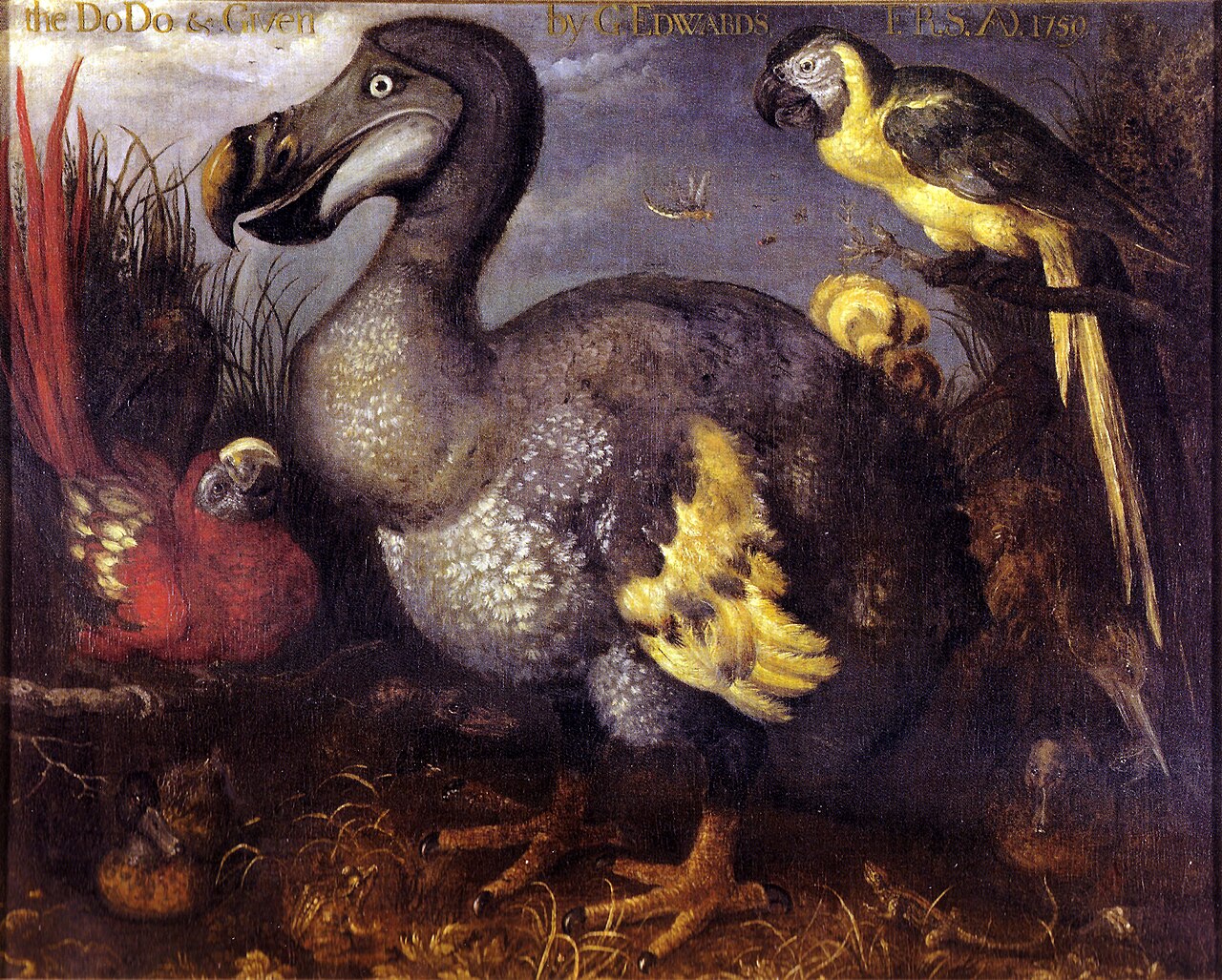



Characteristics and timeline
This extinction pulse is notable for the early disappearance of many large animals (megafauna) across the globe after humans spread into new regions. Over millennia, localized losses expanded in frequency and scope through the Holocene and intensified with the rise of agriculture, urbanization and industrial society. While the pattern varies regionally, a sustained reduction in population sizes and ranges for many plants, animals and other organisms is the defining feature.
Primary drivers
- Overexploitation: direct killing and excessive harvesting, including hunting of megafauna and unsustainable fisheries. See Holocene extinction and links on large mammals.
- Habitat loss and fragmentation: conversion of forests, grasslands and wetlands to agriculture, settlement and infrastructure. See habitat destruction.
- Invasive species and disease: introductions that alter ecosystems and displace native species.
- Climate change: natural postglacial shifts followed by rapid human-driven warming are implicated in range shifts and extinctions; see climate change.
- Human demographic and technological change: population growth since the agricultural revolution and mechanized resource use have magnified impacts; see also human population growth.
Consequences and examples
Losses of species can undermine ecosystem services such as pollination, water purification and soil formation. Historically notable extinctions include prominent megafauna and island endemics lost after human arrival. The pattern applies to many kinds of organisms, from large vertebrates to plants and invertebrates. Modern conservation assessments compile lists of threatened species and track trends to inform action.
Responses and notable facts
Conservation strategies to counter Holocene extinction include protected areas, habitat restoration, sustainable harvest rules, biosecurity to limit invasions, captive breeding and legal protections. Scientific debate continues about terminology and metrics, but broad agreement exists that human activity is the dominant recent cause of accelerated extinctions. For further context and resources, consult summaries and databases linked from authoritative sources and conservation organizations (ice-age context and other references).
Questions and answers
Q: What is the Holocene extinction?
A: The Holocene extinction is the extinction of nearly all large mammal species after the end of the ice age.
Q: What were the causes of the Holocene extinction?
A: The Holocene extinction was caused by humans hunting the animals and climate change.
Q: What are two primary causes of species extinction in recent times?
A: Two primary causes of species extinction in recent times are habitat destruction and over-harvesting.
Q: What is the fundamental cause of species extinction in recent times?
A: The fundamental cause of species extinction in recent times is the huge increase in human population since the agricultural revolution.
Q: How have forests and natural habitats been affected by human activities?
A: Forests and natural habitats have been greatly reduced throughout the world due to human activities.
Q: What has been the cause of many extinctions?
A: The cause of many extinctions has been the reduction of forests and natural habitats throughout the world.
Q: Why have forests and natural habitats been reduced throughout the world?
A: Forests and natural habitats have been reduced throughout the world due to human activities such as habitat destruction and over-harvesting.
Related articles
Author
AlegsaOnline.com Holocene extinction Leandro Alegsa
URL: https://en.alegsaonline.com/art/44804