
Wildfire: causes, behaviour, ecological role and management
Comprehensive overview of wildfires: types, causes, behaviour, ecological effects, risks to people and property, and common approaches to prevention, detection and suppression.
Overview
Wildfire is an umbrella term for uncontrolled fires that burn natural vegetation across landscapes. This includes forest fires, grassland fires, bushfires and other forms of vegetation fires. Wildfires occur on every continent except Antarctica, where permanent cold and lack of continuous fuels generally prevent sustained surface or crown burning. Events vary from short, fast-moving surface fires to long-lasting peat or smouldering fires that can burn underground for months. Wildfire behaviour, ecological role and impacts depend on climate, vegetation, terrain and human influences.
Image gallery
10 Images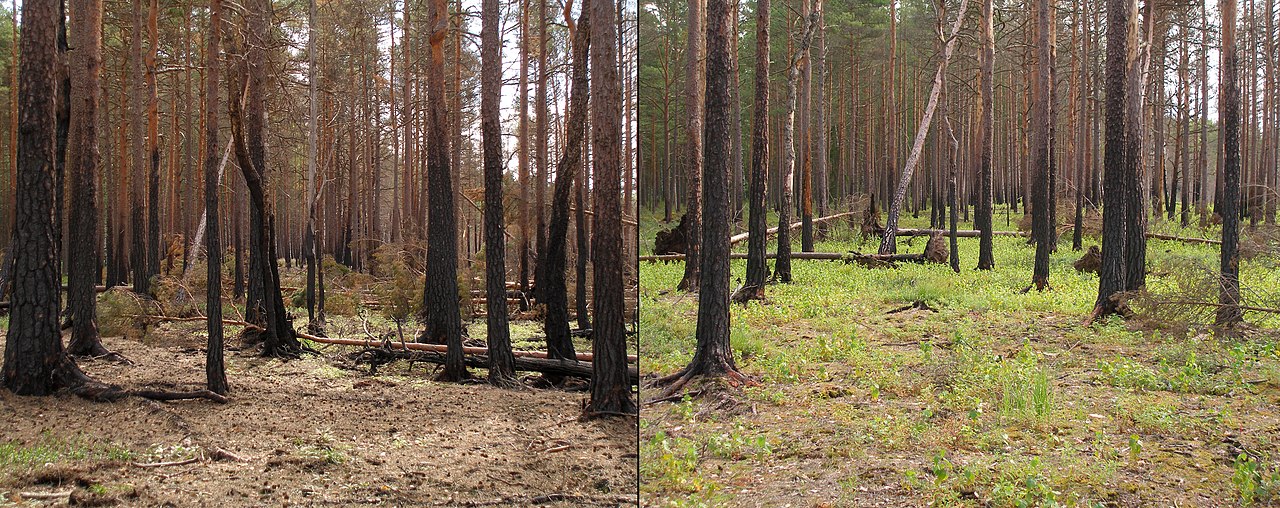


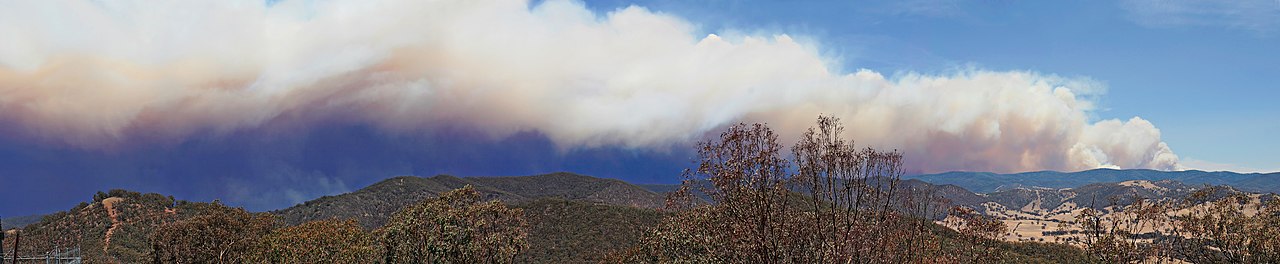

Fire behaviour and influencing factors
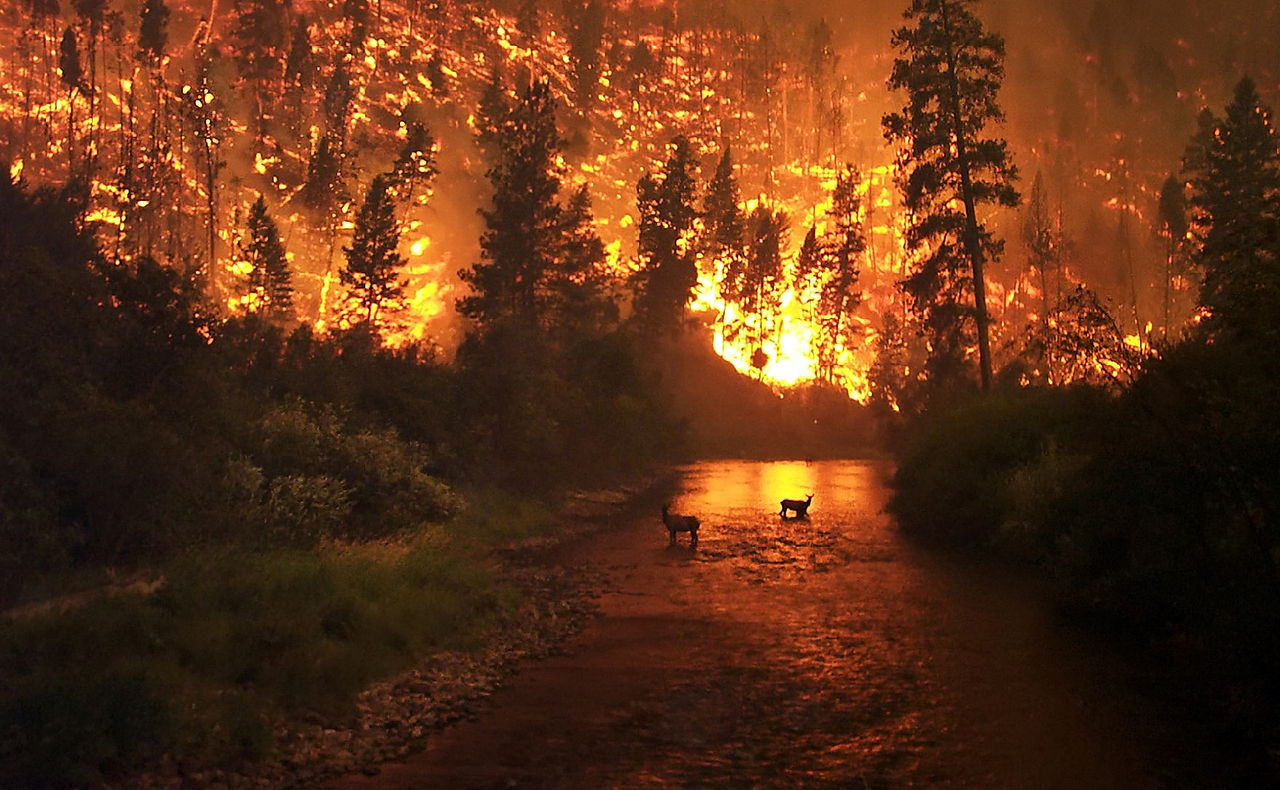
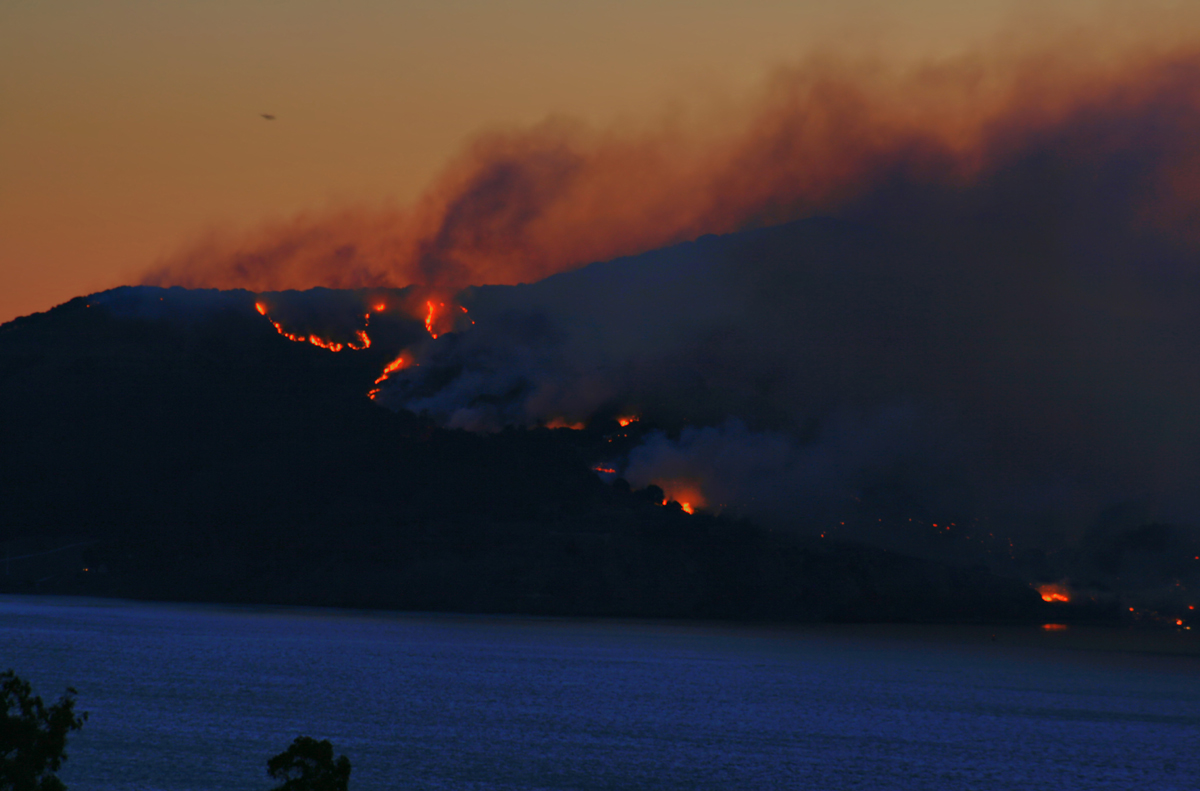
Three principal factors determine how a wildfire behaves: fuel, weather and topography. Fuel describes the amount, type and moisture content of vegetation; fine, dry fuels ignite and spread fire quickly, while compact or moist fuels impede flames. Weather — especially wind, temperature and humidity — can rapidly change intensity and direction, and hot, dry, windy conditions promote extreme fire activity. Topography influences spread and intensity; fires travel faster upslope and may develop more intense flame lengths on steep terrain. Wildfires can operate as surface fires, crown fires that move through tree canopies, or subterranean smouldering in peat or organic soils.
Ignition sources and historical context
Ignitions arise from natural causes such as lightning and volcanic activity, and from many human actions including accidental sparks, equipment use, unattended campfires, escaped agricultural burns and deliberate arson. Fire has been part of Earth’s terrestrial ecosystems for millions of years; the appearance and spread of land plants and changes in atmospheric oxygen created conditions permitting recurring fires over geological time, including major shifts during and after events like the Great Oxygenation Event. Many Indigenous peoples have long used fire as a landscape tool to promote food, hunting areas and biodiversity.
Ecological roles and consequences
Wildfire plays complex ecological roles. Periodic, low- to moderate-intensity fire can maintain open habitats, recycle nutrients, reduce fuel loads and stimulate germination in fire-adapted species. Some trees and plants have evolved to depend on heat, smoke or seed-casing opening to reproduce. Conversely, very frequent or unusually severe fires can degrade soils, reduce watershed function, favour invasive species, and cause local extinctions. Smoke reduces air quality and carries health risks over large distances, affecting vulnerable populations and contributing to short-term climate forcing.
Human impacts and the wildland–urban interface
As human settlement expands into fire-prone areas the wildland–urban interface (WUI) becomes more extensive, increasing the potential for property loss, injuries and fatalities. Infrastructure, utilities and transportation networks can both be damaged by fires and serve as ignition sources. Protecting communities requires combining land-use planning, building codes that increase structure resilience, creation of defensible space around properties, and public preparedness and evacuation planning.
Prevention, detection and suppression
Strategies to reduce wildfire risk include prevention, early detection, active suppression and landscape treatments to reduce fuels. Prevention relies on public education, regulation of open burning and management of human activities that cause ignitions. Detection uses lookout systems, aerial patrols and increasingly satellite and automated sensor networks to identify ignitions quickly. Suppression employs ground crews, firelines, water and retardant drops, mechanized equipment and tactical backburning. A common proactive tool is the controlled burn (also called prescribed fire), in which managers intentionally burn fuels under favourable conditions to reduce the likelihood of large uncontrolled fires.
Fuel management and restoration
Fuel management includes mechanical thinning, removal of ladder fuels near structures, grazing where appropriate, and prescribed burning. After large fires, restoration measures address erosion control, reseeding or planting native species, and monitoring for invasive plants that can alter future fire regimes. Long-term recovery depends on post-fire soil stability, seed availability, remaining vegetation and subsequent weather patterns.
Policy, research and traditional knowledge
Effective wildfire governance integrates scientific research, land management policy and the traditional ecological knowledge of Indigenous peoples, who often have long-established fire stewardship practices. Research continues on fire ecology, behaviour modelling, smoke impacts on health and climate interactions. International cooperation and local planning are important because smoke and climate effects cross political boundaries. Effective approaches generally combine prevention, adaptive landscape management, community preparedness and well-resourced detection and suppression capabilities.
Regional terminology and considerations
Terms and practices vary by region: for example, the term "bushfire" is common in Australia while "wildfire" or "forest fire" is used broadly in North America and elsewhere. Different ecosystems respond differently to fire, so management must be tailored to local vegetation types, climate and social conditions. Balancing the ecological benefits of fire with protection of life, property and infrastructure remains a central challenge for land managers and communities in fire-prone regions.
Further reading and resources
- General fire ecology and management overviews can be found through government and academic sources linked to regional fire authorities; see local resource pages and guidance for preparedness and prescribed fire planning.
- For historical and palaeoecological context, studies of long-term fire regimes and atmospheric changes provide perspective on how fire shaped landscapes over millennia.
- Practical community guidance focuses on defensible space, evacuation planning and resilient construction in the wildland–urban interface.
For specific topics such as regional fire behaviour, health impacts of smoke, prescribed burning methods or post-fire restoration techniques, consult authoritative public agencies and peer-reviewed literature appropriate to the local ecosystem and legal framework. Additional linked topics include forest fires, grassland fires, bushfires, vegetation fires, the exclusion of burning from Antarctica, geological drivers like the Great Oxygenation Event, and methods such as prescribed fire used in modern management.
Questions and answers
Q: What is wildfire?
A: Wildfire is a term used to describe any vegetation fire in the countryside, including forest fires, grassland fires, bushfires, and brush fires.
Q: Where do wildfires occur?
A: Wildfires occur in every continent except Antarctica.
Q: What causes wildfires?
A: Wildfires can occur naturally and spontaneously, but many are caused by humans, accidentally or deliberately.
Q: Have wildfires occurred historically?
A: Yes, fossil records and human history indicate that wildfires have occurred at intervals.
Q: What are the benefits of wildfires?
A: Wildfires have some beneficial effects on wilderness areas, as some plant species depend on the effects of fire for growth and reproduction.
Q: What are the negative effects of wildfires?
A: Large wildfires may also have negative ecological effects.
Q: What strategies are used for wildfire prevention, detection, and suppression?
A: Strategies of wildfire prevention, detection, and suppression have varied over the years, but one of the more controversial methods is controlled burn, where people permit or light small fires to burn away some of the fuel for a potential wildfire.
Related articles
Author
AlegsaOnline.com Wildfire: causes, behaviour, ecological role and management Leandro Alegsa
URL: https://en.alegsaonline.com/art/108088
Sources
- nifc.gov : "Federal Fire and Aviation Operations Action Plan"
- dictionary.cambridge.org : dictionary.cambridge.org
- pbs.org : "How plants use fire (and are used by it)"
- pbs.org : "The World on Fire"
- firelab.utoronto.ca : "Forest fires and climate change in the 21st century"
- doi.org : 10.1007/s11027-005-9020-7
- www1.voanews.com : "International experts study ways to fight wildfires"
- getprepared.gc.ca : "Wildfires in Canada"
- library.csustan.edu : "Section Three: problems, cares, economics, and species"
- bushfire.nsw.gov.au : "Fire: the Australian experience"
- werc.usgs.gov : "Trace gas emission in smoke-induced germination"
- doi.org : 10.1126/science.1099944
- pubmed.ncbi.nlm.nih.gov : 15247439 · web.archive.org
- fao.org : fao.org