
Gyula, Hungary — history, landmarks, and cultural significance
Gyula is a historic market town in Békés County, southeastern Hungary, noted for its medieval brick castle, thermal baths, cultural festivals and role as a regional service and agricultural centre near the Romanian border.
Overview
Gyula is a town in Békés County in southeastern Hungary, situated on the Great Hungarian Plain close to the Romanian border. It serves as a local centre for services, trade and tourism and combines a compact historic core with surrounding agricultural land. Visitors come for the well-preserved brick castle, spa facilities and a programme of summer performances and cultural events that make the town a regional draw.
Image gallery
10 Images




History
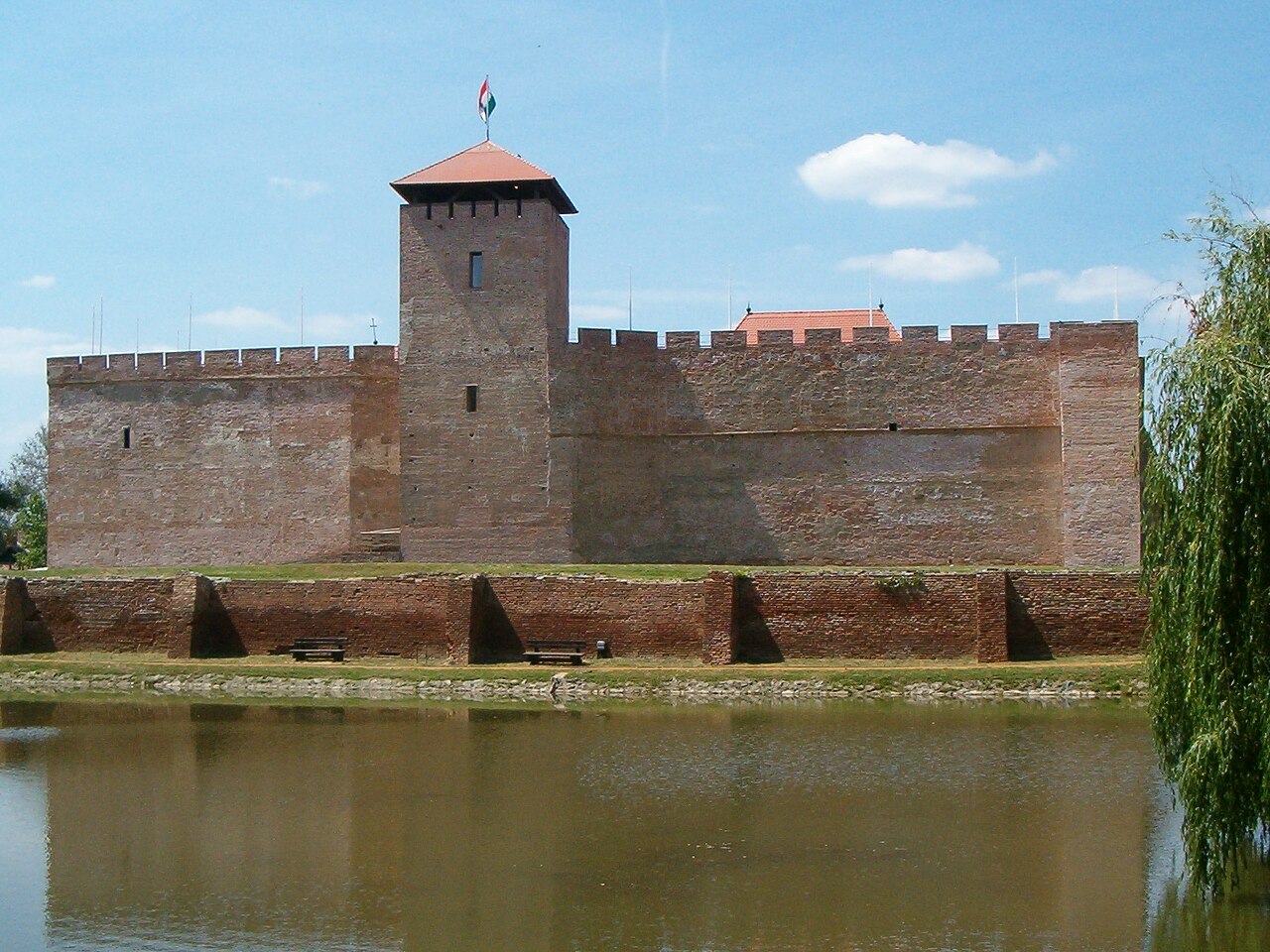
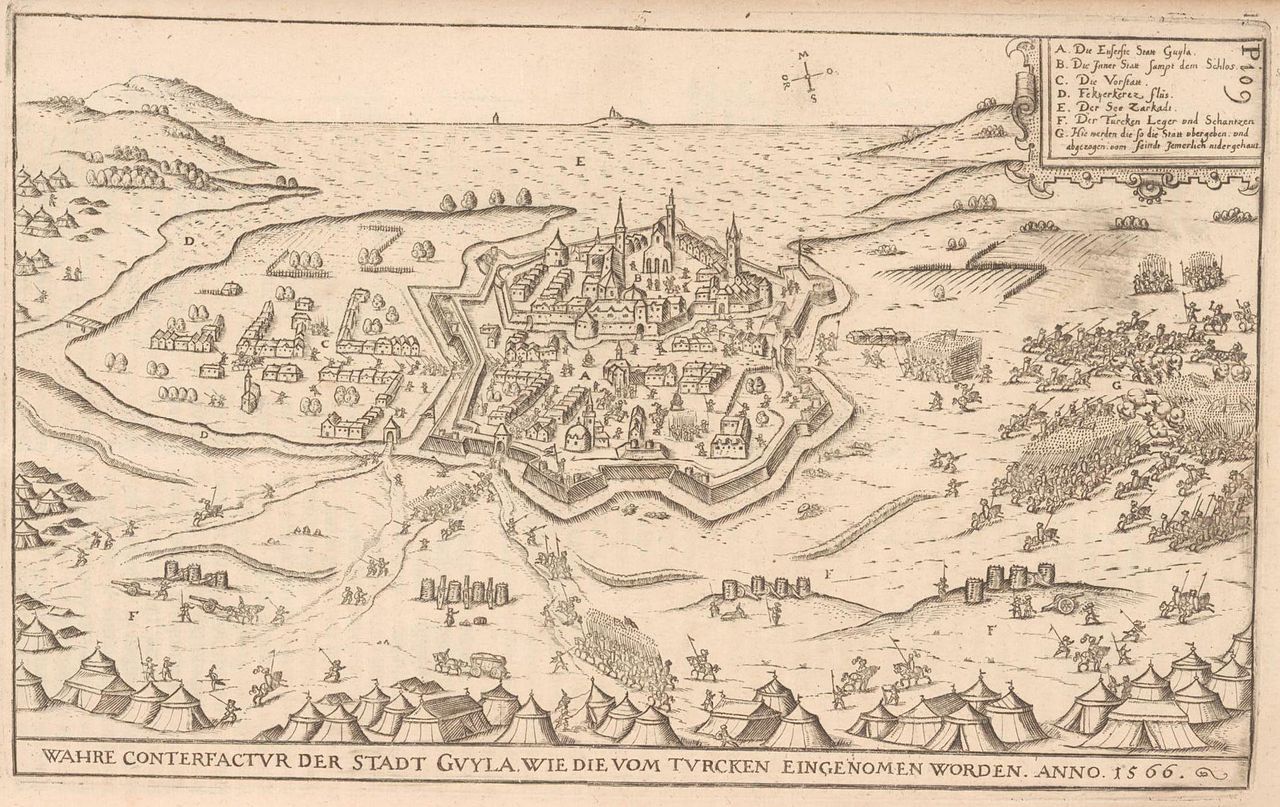
The settlement grew up in the medieval period at a strategic location on the plain. A distinctive brick castle near the town dates from the late Middle Ages and signals the importance of the site through successive eras. Gyula experienced Ottoman rule, later integration into Habsburg-era administrative structures, and 19th–20th-century economic change typical of the region. Over time it developed from a market village into a small modern town while retaining much of its historic character.
Gyula Castle and heritage
Gyula Castle is a rare surviving brick fortress in Hungary and houses museum displays about local history. The castle is also known for seasonal open-air theatre and historical reenactments that use the fortification as a dramatic backdrop. The town centre includes Baroque and 19th-century façades, civic buildings and small local museums that interpret regional life and crafts.
Thermal baths and culture
Thermal waters and spa facilities are another cornerstone of Gyula's appeal. Local baths offer wellness services and contribute to a steady stream of domestic tourists. Cultural life includes folk music and dance programmes, summer festivals and community events that highlight regional traditions and attract visitors from nearby towns and across the border.
Economy, transport and practical information
The surrounding agricultural plain supports crop production and food processing; light industry and tourism complement the local economy. Gyula is linked by regional roads and rail to larger Hungarian centres and benefits from cross-border traffic with Romania. For official visitor information and municipal services see the town's website at Gyula municipal site.
Related articles
Author
AlegsaOnline.com Gyula, Hungary — history, landmarks, and cultural significance Leandro Alegsa
URL: https://en.alegsaonline.com/art/41625