
Hadejia River — tributary of the Yobe River in northern Nigeria
River in northern Nigeria forming the Hadejia–Nguru wetlands; regulated by upstream dams (Tiga, Challawa Gorge) and important for irrigation, fisheries, floodplain agriculture and biodiversity.
The Hadejia River flows through the semi-arid plains of northern Nigeria and is a principal contributor to the Komadugu Yobe (often called the Yobe River) system. It passes by the market towns of Hadejia and Nguru and helps form the extensive Hadejia–Nguru wetlands, a seasonal floodplain complex associated with Nguru Lake. The river’s seasonal floods and shallow channels have long supported local livelihoods and wildlife.
Image gallery
2 Images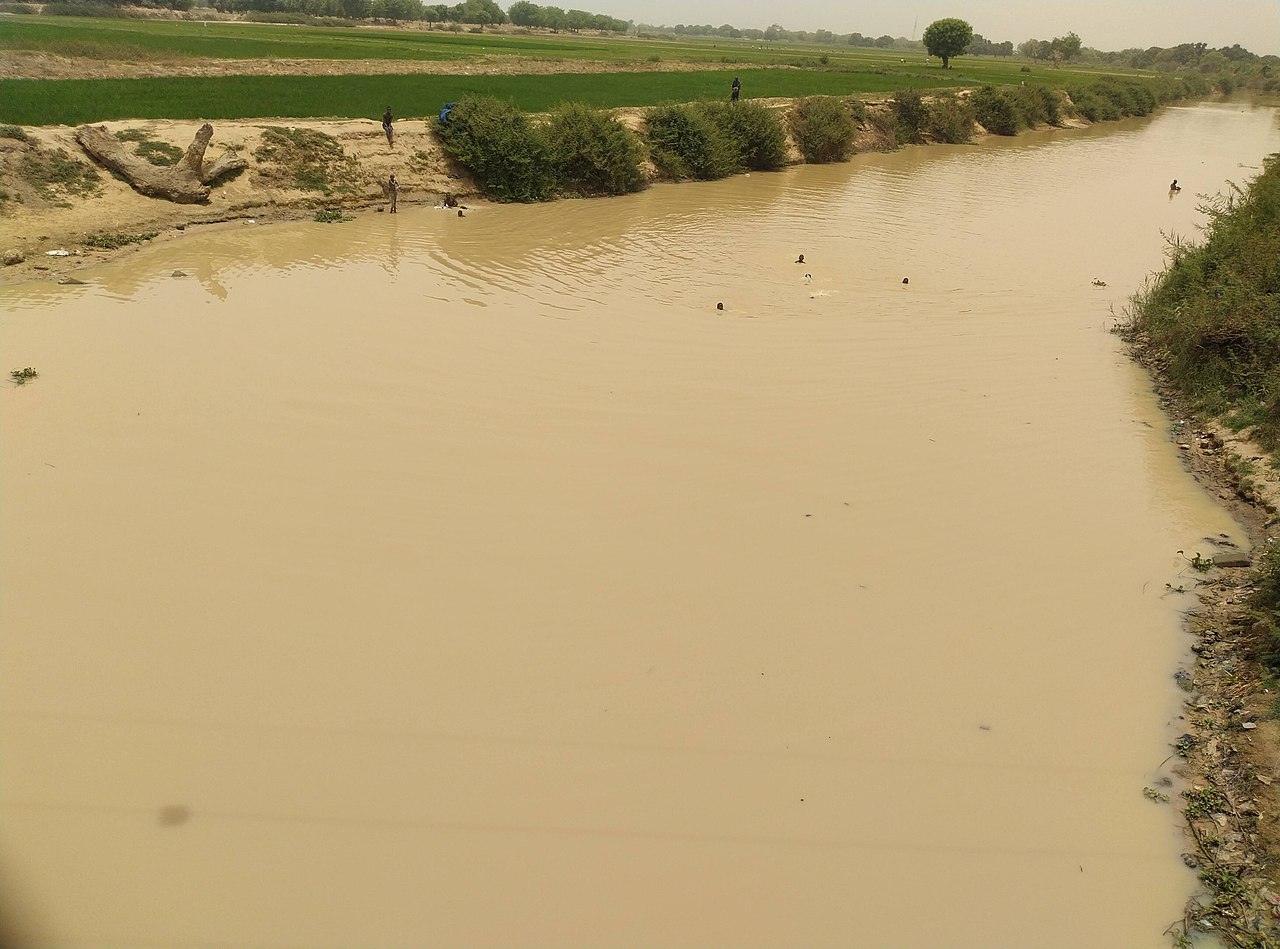

Course and physical characteristics
The Hadejia rises in the elevated areas to the west and flows northeastward into the Yobe basin. Its flow is strongly seasonal: higher during the West African rainy season and reduced during the long dry months. The river’s floodplain expands and contracts with annual rains, creating marshes, shallow lakes and channels that are characteristic of Sahelian river systems.
Dams, regulation and hydrology
Upstream regulation has altered the Hadejia’s natural flow. Large dams in Kano State, notably the Tiga and Challawa Gorge projects, retain much of the river’s headwaters. These dams were built primarily for irrigation, municipal water supply and some flood control. Today about 80% of the Hadejia’s flow is estimated to be controlled by these reservoirs, reducing downstream flood peaks and changing seasonal inundation patterns.
Ecology and the Hadejia–Nguru wetlands
The wetlands formed where the Hadejia meets branches and basins near Nguru are important for wetland plants, fish populations and migratory waterbirds that use West African flyways. Seasonal inundation supports flood-recession agriculture and provides fish nurseries; reduced flooding since damming has led to contraction of wetland habitats and shifts in vegetation and fauna.
Human uses and economic importance
Communities along the river depend on it for irrigation, small-scale fishing, livestock watering and floodplain farming—particularly rice and vegetables grown on moist soils after floods. The river also sustains traditional grazing routes and local markets in Hadejia and Nguru. Regulation of flow supports upstream irrigation schemes but has created trade-offs for downstream users.
Challenges, management and notable facts
- Reduced downstream flooding from reservoirs has altered wetland extent and reduced fish yields in some years.
- Balancing upstream irrigation needs with downstream ecosystem services and livelihoods remains a regional water-management challenge.
- The Hadejia–Nguru wetlands are recognized locally for their biodiversity and importance to migratory birds.
Efforts to manage the Hadejia’s waters sustainably focus on coordinated reservoir operation, community water management and conserving wetland functions while maintaining agricultural production. The river illustrates wider tensions in Sahelian river basins between development, water control and the resilience of floodplain ecosystems.
Questions and answers
Q: What is the Hadejia River?
A: The Hadejia River is a river in northern Nigeria and is a part of the Yobe River.
Q: What is the Hadejia River called in Hausa language?
A: The Hadejia River is known as kogin Haɗeja in Hausa language.
Q: Which towns does the Hadejia River flow through?
A: The Hadejia River flows through Hadejia and Nguru.
Q: What is damming?
A: Damming is a process of holding back water for irrigation purposes.
Q: What has damming done to the Hadejia-Nguru wetlands?
A: Damming has reduced the amount of water in the Hadejia-Nguru wetlands, which the river forms along with Nguru Lake.
Q: How much of the Hadejia river is controlled by dams in Kano State?
A: The Hadejia river is now 80% controlled by the Tiga and Challawa Gorge dams in Kano State.
Q: What is the Yobe River?
A: The Yobe River is a river in northern Nigeria, of which the Hadejia River is a part.
Related articles
Author
AlegsaOnline.com Hadejia River — tributary of the Yobe River in northern Nigeria Leandro Alegsa
URL: https://en.alegsaonline.com/art/41712
Sources
- britannica.com : "Hadejia"
- aaas.org : "Principles of Water Management for People and the Environment"