
Guy Fawkes Night (Bonfire Night)
An annual British commemoration on 5 November marking the 1605 Gunpowder Plot; celebrated with bonfires, effigies and fireworks and observed in communities across the UK and beyond.
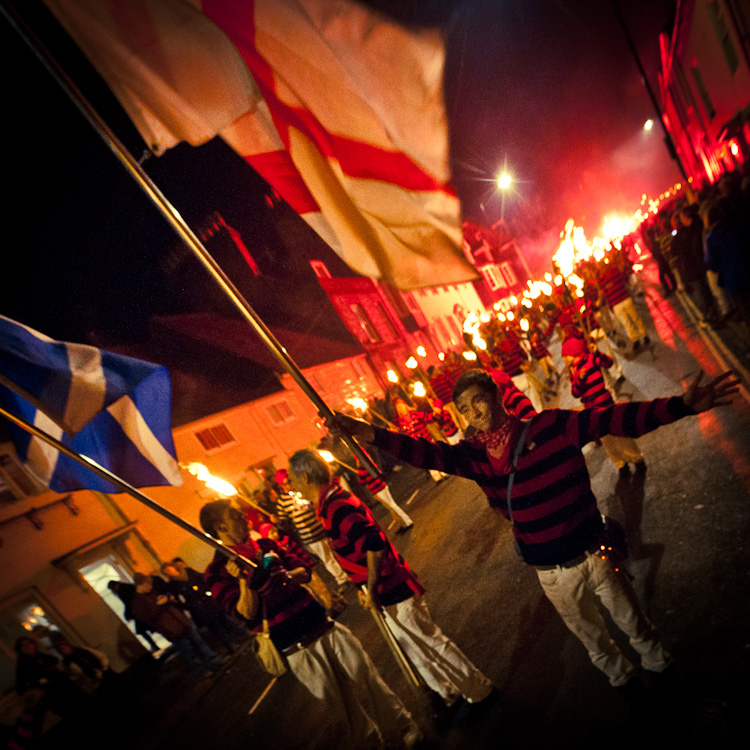
Guy Fawkes Night, commonly called Bonfire Night, is observed on 5 November in the United Kingdom and in some parts of the Commonwealth. The date commemorates the failure of the 1605 Gunpowder Plot, a conspiratorial attempt to blow up the House of Lords. Modern observances are centered on communal fireworks, large bonfires and the burning of effigies, and are often staged as local festival-style events.
Image gallery
8 Images


History and origins
The festival traces to the immediate aftermath of the plot against Parliament and King James I, when celebratory bonfires were lit to mark the king's survival. The central figure remembered by name, Guy Fawkes, was captured guarding barrels of gunpowder placed beneath the Lords' chamber. Over centuries the occasion evolved from an explicitly political thanksgiving into a wider civic and social tradition.
Customs and typical elements
Common components of Guy Fawkes Night include:
- Large bonfires, often built and tended by local groups;
- Fireworks displays staged by councils or private organizers;
- The creation and burning of an effigy, traditionally called "the Guy";
- Food stalls and seasonal treats such as toffee apples and hot drinks;
- Family outings and organised public spectacles with safety marshals.
Many communities combine entertainment and safety briefings: the use and sale of fireworks in the UK are regulated and public displays are encouraged over unsupervised private use.
Modern significance and variations
While rooted in a specific historical event — the Gunpowder Plot of 1605 — the night now functions largely as a cultural and social celebration. The period around 5 November has inspired nursery verses and street traditions; in recent decades the image of Guy Fawkes has been repurposed in political symbolism and popular culture, for example in protest iconography. Observance varies by region and community sentiment, and in some places the explicitly anti-Catholic elements that surfaced historically have been downplayed or abandoned.
For visitors and residents, attending an organised display is the safest way to enjoy Bonfire Night. Local authorities and charities often publish guidance and run events that balance spectacle with public safety and respect for diverse communities.
Related articles
Author
AlegsaOnline.com Guy Fawkes Night (Bonfire Night) Leandro Alegsa
URL: https://en.alegsaonline.com/art/41558
Sources
- britannica.com : "Guy Fawkes Day"