
Hinamatsuri (Doll's Day / Girls' Day)
Hinamatsuri, observed March 3 in Japan, is a festival when families display hina dolls and celebrate the health, happiness, and future of girls with food, rituals, and decorative displays.
Overview
Hinamatsuri, often called Doll's Day or Girls' Day, is celebrated on March 3 in Japan. Families with daughters arrange displays of hina dolls and offer seasonal foods and prayers for their health, growth, and happiness. The festival blends decorative craft, family ritual, and seasonal symbolism tied to early spring.
Image gallery
10 Images


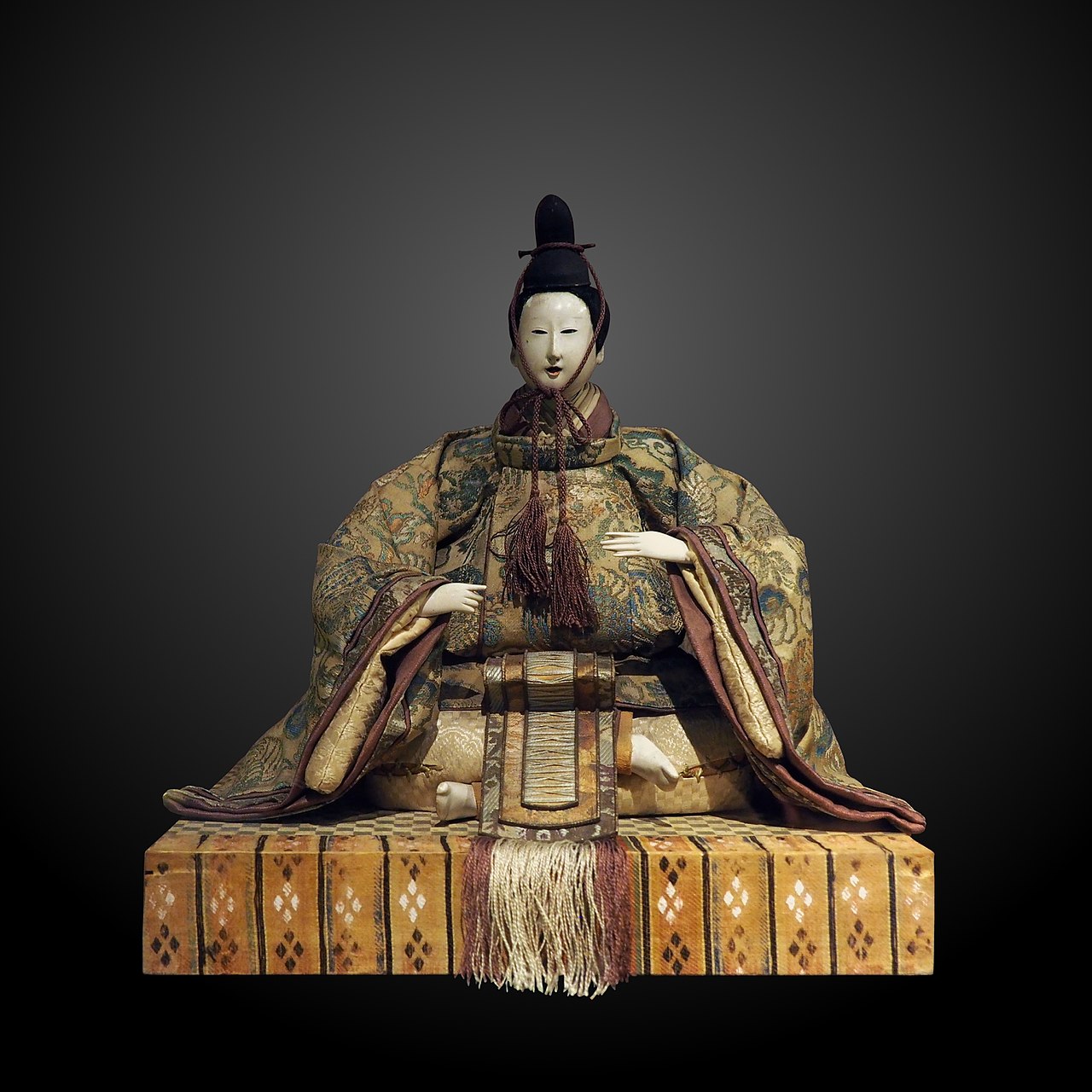

Typical display and components
The central feature is the hina-ningyō (hina dolls) arranged on a tiered platform covered with red cloth. A full display can include multiple tiers, but many households use a simpler set. The top tier holds the imperial couple: the odairi-sama (male) and ohina-sama (female). Lower tiers may show attendants, musicians, furniture, and miniature household items.
- Top tier: imperial couple (dressed in Heian-period court costume)
- Middle tiers: attendants, musicians, and servants
- Lower tiers: miniature furniture, carriages, and seasonal decorations
History and origins
The festival evolved from older folk practices such as hina-nagashi, where paper or straw dolls were floated down rivers to carry away impurities and bad luck. Over centuries, particularly during the Heian and Edo periods, hina dolls became more elaborate and domestic displays gradually replaced river rituals.
Foods, customs, and modern practice
Common foods include chirashizushi (scattered sushi), hishi-mochi (diamond-shaped rice cakes), hina-arare (sweet rice crackers), and sometimes sweet sake for adults. Displays are usually set up in February and taken down promptly after March 3; superstition says delaying removal may bring late marriage for daughters. Regional variations and modern approaches mean some families use simplified or contemporary doll sets.
For additional information and cultural context see Hinamatsuri resources.
Related articles
Author
AlegsaOnline.com Hinamatsuri (Doll's Day / Girls' Day) Leandro Alegsa
URL: https://en.alegsaonline.com/art/44268
Sources
- books.google.com : Introduction to Japanese culture, p. 10
- books.google.com : "Hina Matsuri"
- japanese.about.com : Hinamatsuri at About.com
- ginkoya.com : Girl's Day
- janmstore.com : "Koinobori: Celebrating the Spirit of Boys Day"