
Hebrew calendar (Jewish calendar)
A lunisolar calendar used in Judaism to determine religious observances, festivals, life-cycle events and liturgical cycles; it combines lunar months with periodic leap months to stay aligned with the seasons.
The Hebrew calendar, often called the Jewish calendar, is a lunisolar system used primarily for religious and communal purposes in Judaism. It governs the dates of festivals, the weekly public reading of the Torah, and many life‑cycle observances. Its months follow the phases of the moon, while its years are adjusted to keep festivals in their proper seasons.
Image gallery
8 Images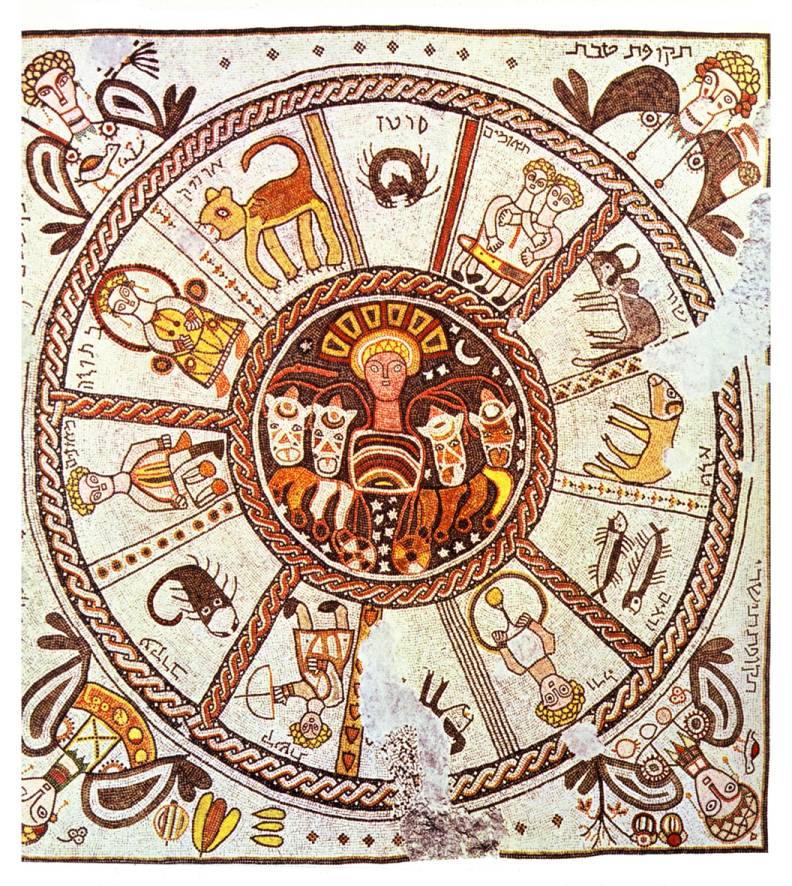




Basic structure and characteristics
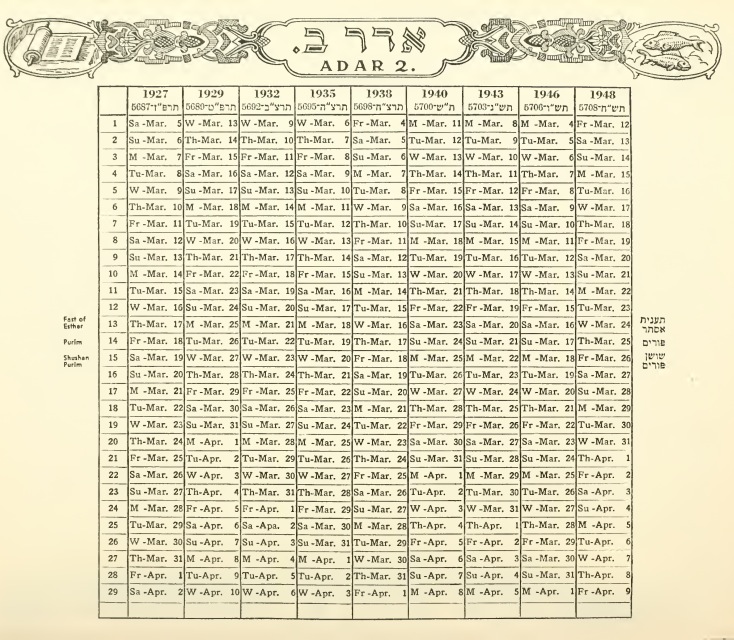
The calendar combines lunar months of 29 or 30 days with a year length that alternates between 12 and 13 months. A common (non‑leap) year has 12 months, while certain years add a whole extra month (Adar II) to realign the lunar months with the solar cycle. Days begin at sunset, and months begin with the new moon. Years are counted from a traditional epoch.
Months and leap years
- Typical month names include: Tishri, Cheshvan, Kislev, Tevet, Shevat, Adar (Adar I and Adar II in leap years), Nisan, Iyar, Sivan, Tammuz, Av, and Elul.
- Leap years occur seven times in a 19‑year Metonic cycle to keep Passover and other festivals in their proper seasons.
History and development
The calendar has ancient roots and was progressively standardized over centuries. Elements derive from Biblical practice (linking months to moon phases) and later rabbinic and astronomical refinements that produced fixed rules for intercalation and year length. Medieval and post‑medieval scholars clarified calculations to ensure long‑term stability.
Uses and cultural importance
Beyond setting festival dates, the calendar determines the timing of a Bar Mitzvah or Bat Mitzvah, the observance of a yahrzeit (the anniversary of a death), public prayers, and community rituals. Jewish communities around the world consult it for liturgical reading cycles and holiday planning.
Notable distinctions
- The day begins at sunset, not midnight, affecting observance windows.
- Religious and civil calendars may differ in epoch or practice; local communities sometimes follow minor variants in calculation.
- Traditional counting and modern astronomical approaches coexist in practice.
For further reading on chronology and practice, see overviews and community guides: authoritative discussions and reference pages provide practical calendars and explanations of rules used today.
Questions and answers
Q: What is the Hebrew calendar?
A: The Hebrew calendar, also known as the Jewish calendar, is a calendar used in Judaism to set the dates of Jewish holidays and other important events.
Q: What are some of the uses for the Hebrew calendar?
A: The Hebrew calendar is used to set the date for a Bar Mitzvah or Bat Mitzvah, Yahrzeit (the anniversary of a relative's death), and to determine which daily prayer service should be observed.
Q: How often does it change?
A: The Hebrew calendar changes every year according to lunar cycles.
Q: Is it different from other calendars?
A: Yes, it is different from most other calendars because it follows lunar cycles rather than solar ones.
Q: When did Jews begin using this type of calendar?
A: Jews have been using this type of lunar-based calendar since ancient times.
Q: How do people use the Hebrew Calendar today?
A: People use the Hebrew Calendar today to keep track of religious holidays and observances, as well as important life events such as Bar/Bat Mitzvahs and Yahrzeits.
Tags
Related articles
Author
AlegsaOnline.com Hebrew calendar (Jewish calendar) Leandro Alegsa
URL: https://en.alegsaonline.com/art/43158