
Gunpowder Plot (1605)
An attempted assassination and political conspiracy in 1605 to blow up the English Parliament and kill King James I — discovered before it could be carried out; its failure shaped British politics and remembrance.
Overview
The Gunpowder Plot of 1605 was a Catholic-led conspiracy to assassinate King James I of England (also James VI of Scotland) and destroy the House of Commons during the State Opening of Parliament on 5 November 1605. Organisers hoped the explosion would kill the king and many leading members of the aristocracy, clearing the way for a Catholic restoration and a wider uprising. The scheme is also commonly called the Powder Treason or simply the Gunpowder Plot.
Image gallery
10 Images


Conspirators and plan
Led by Robert Catesby, the group included a number of well-known recusant Catholics. They rented a cellar beneath the chamber of the House of Commons and stockpiled barrels of gunpowder. Guy Fawkes, an experienced explosives handler, was placed in charge of the stores and was discovered guarding them on the night the plot was to be carried out. Other conspirators included Thomas Percy and several men from the Midlands who were expected to ignite a wider revolt.
- Robert Catesby (principal leader)
- Guy Fawkes (guarded the gunpowder)
- Thomas Percy and several co-conspirators
Discovery, arrest and trial
A mysterious warning letter to Lord Monteagle prompted a search of the parliamentary buildings; during the early hours of 5 November a party of guards found Fawkes with the gunpowder and arrested him. The plot was quickly broken up: conspirators were captured or killed, tried, and executed for treason. The letter’s authorship remains debated by historians, and the degree of official knowledge or complicity has also been the subject of historical discussion.
Aftermath and legacy
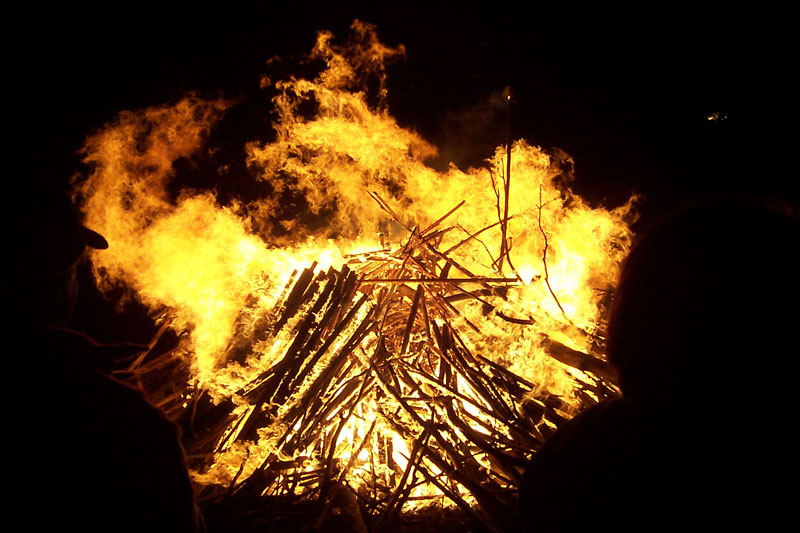
The failed plot had immediate and long-term consequences. It hardened anti-Catholic legislation and sentiment in England, increasing penalties and social pressures on Catholics. It also prompted an official day of thanksgiving for the king’s survival, which evolved into the annual observance on 5 November—commonly called Guy Fawkes Night or Bonfire Night—marked by bonfires, fireworks, and the burning of effigies.
Significance and notable facts
Beyond its dramatic details, the Gunpowder Plot remains significant as a symbol of religious conflict in early modern Britain and as a touchstone in political memory. The phrase "Remember, remember the Fifth of November" and the figure of Guy Fawkes have persisted in popular culture and political protest. The event is often discussed in studies of terrorism, state security, and the fraught relationship between government and religious minorities in the 17th century. For further context on the setting and participants, see accounts of the Houses of Parliament and the wider Protestant context in which the conspiracy unfolded: Protestant politics and the role of the aristocracy.
Questions and answers
Q: What was the Gunpowder Conspiracy of 1605?
A: The Gunpowder Conspiracy of 1605 was a plan to assassinate King James I of England and VI of Scotland.
Q: What are other names for the plot?
A: Other names for the plot are The Powder Treason or The Gunpowder Plot.
Q: Who were behind the conspiracy?
A: A group of Catholics were behind the conspiracy.
Q: What did they plan to do?
A: They planned to blow up the Houses of Parliament during the State Opening of Parliament on 5 November 1605.
Q: What would have been the result if their plan had succeeded?
A: If their plan had succeeded, it would have killed the king, and most of the Protestant aristocracy.
Q: Was there more to their plans than just blowing up parliament?
A: Yes, in addition to blowing up parliament, they also planned to kidnap the royal children, and lead a popular revolt in the Midlands.
Related articles
Author
AlegsaOnline.com Gunpowder Plot (1605) Leandro Alegsa
URL: https://en.alegsaonline.com/art/41444