
Guthrum — Viking leader of East Anglia and rival of Alfred the Great
Guthrum (d. c.890) was a Danish Viking leader who ruled in East Anglia, fought Alfred the Great, accepted baptism as Æthelstan, and helped shape the boundaries of the Danelaw.
Overview
Guthrum (Old Norse Guðrum; died c. 890) was a prominent Danish Viking leader active in late 9th-century England. He is best known for his role in the Viking campaigns that confronted the West Saxon kingdom and for the events that followed his defeat by Alfred the Great. Contemporary chronicles record his baptism and subsequent rule in East Anglia, where his settlement helped define the English region later known as the Danelaw.
Image gallery
6 Images


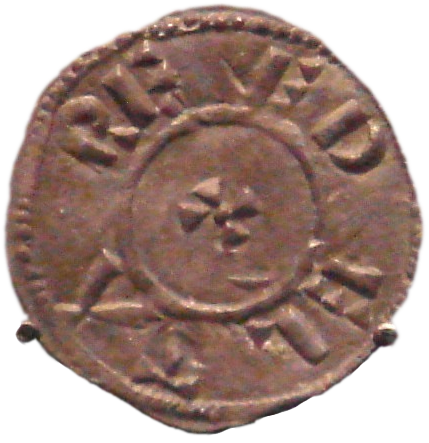

Background and rise
By the 870s, Scandinavian bands had established footholds across eastern and northern England. Guthrum emerged among the several leaders who directed these forces. Sources associate him with the campaigns that provoked Alfred's counterattacks; the struggle reached a turning point in 878 when Alfred won a decisive victory at Edington, after which Guthrum retreated and negotiated terms.
Conversion, treaty and political settlement
After the military defeat Guthrum accepted Christian baptism in a ceremony traditionally dated to 878 and is said to have taken the baptismal name Æthelstan. The event, often linked with the meeting at Aller, was part of a negotiated settlement between the Danes and the West Saxons. Agreements made in this period—sometimes called the Treaty of Wedmore and later formalized in documents referred to as the Treaty of Alfred and Guthrum—established boundaries and rules for coexistence between Anglo-Saxon and Danish-controlled territories.
Rule in East Anglia
Following the accords Guthrum moved to govern East Anglia, where he held authority until his death around 890. As a regional ruler he presided over a mixed community of Scandinavian settlers and native English, and his reign exemplifies the fusion of Norse and Anglo-Saxon political arrangements that produced the Danelaw. Evidence for his rule appears in English chronicles and in later legal and place-name traditions.
Legacy and sources
Guthrum's significance rests on his role in transforming Viking incursions into settled rule and on his negotiated peace with Alfred, which shaped the political map of England. Primary information about him comes from the Anglo-Saxon Chronicle and later medieval histories; these accounts provide the basis for modern interpretations but leave some details uncertain. Key points include:
- Defeat and baptism as Æthelstan, an event with both political and religious dimensions.
- Agreements with Alfred recorded in chronicles and treaties (peace terms) that helped define the Danelaw border.
- Governance of East Anglia and the integration of Norse settlers into local society (regional rule).
- Representation in later sources that historians use to reconstruct late 9th-century England (chronicles).
For further reading and primary text references see scholarly editions and translations of the Anglo-Saxon Chronicle and studies of Alfred's reign and the Danelaw (academic resources).
Related articles
Author
AlegsaOnline.com Guthrum — Viking leader of East Anglia and rival of Alfred the Great Leandro Alegsa
URL: https://en.alegsaonline.com/art/41544