
Guy Fawkes: The Gunpowder Plot and the Origins of Bonfire Night
Guy Fawkes (1570–1606) was an English Catholic conspirator in the Gunpowder Plot. His arrest and execution led to the annual remembrance of 5 November — commonly known as Guy Fawkes or Bonfire Night.
Overview
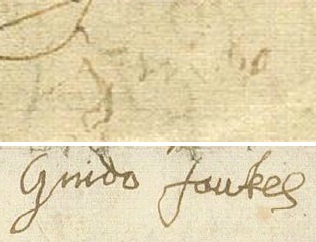
Guy Fawkes (13 April 1570 – 31 January 1606), sometimes called Guido Fawkes, is best known as a member of a Catholic conspiracy that attempted to blow up England's Parliament in 1605. The plotters intended to kill King James I and many members of the political establishment in order to replace the Protestant regime with a Catholic ruler. Fawkes's role, capture and subsequent execution made his name synonymous with the failed conspiracy and led to an enduring annual observance on 5 November, often called Guy Fawkes Night or Bonfire Night. For contemporary summaries of the conspirators and the group behind them see Catholic revolutionary group and the central plan of the Gunpowder Plot.
Image gallery
10 Images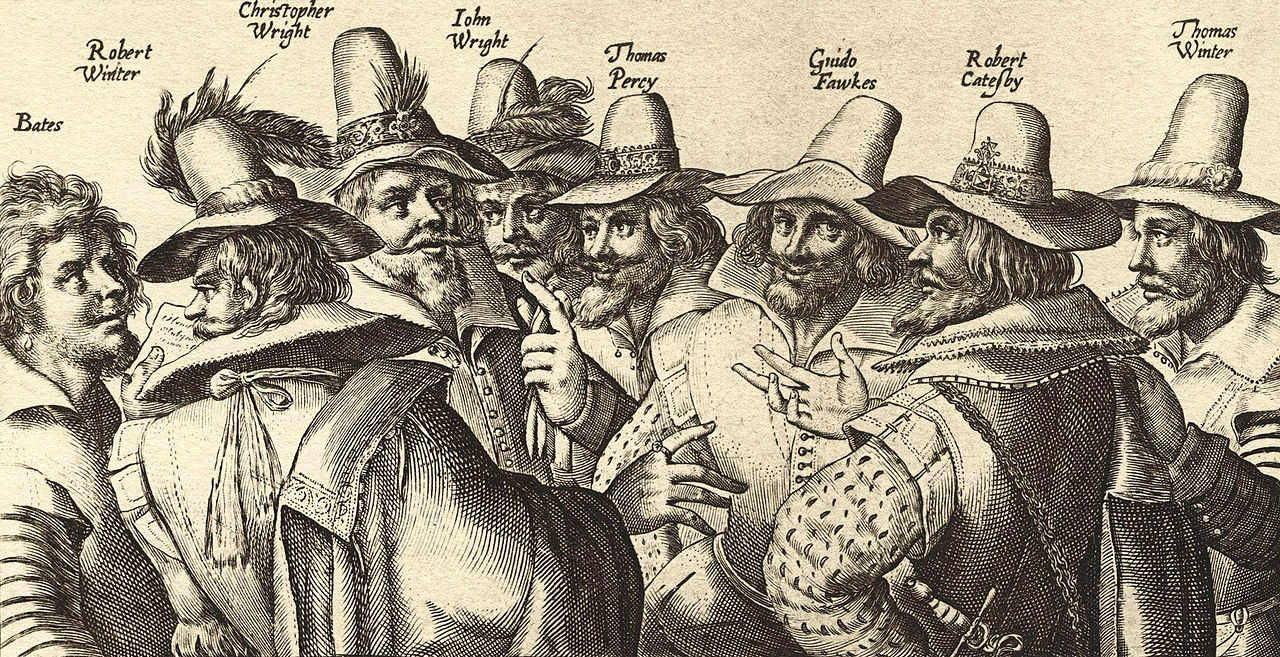


Early life and background
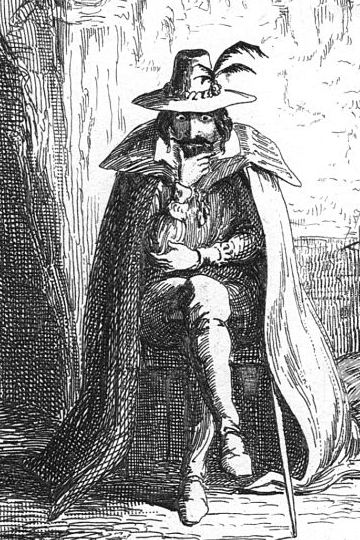
Fawkes was born in York and spent part of his adult life abroad. While details of his upbringing are few, it is generally agreed that he adopted the name "Guido" during time spent in Catholic Europe, where he served as a soldier in the Spanish forces active in the Low Countries. His military experience made him an obvious choice for the conspirators who required someone familiar with handling large quantities of gunpowder and explosives.
The Gunpowder Plot: plan and preparation
The conspirators rented a cellar beneath the House of Lords and stored barrels of gunpowder there, intending to detonate them when Parliament reassembled. The date chosen — 5 November 1605 — coincided with the opening of a new parliamentary session. The plot was elaborate and depended on secrecy and precise timing; when it was discovered late on the night before the opening, Fawkes was found guarding the powder. Contemporary descriptions and later accounts emphasize the scale of the plan and the number of people involved, with Robert Catesby as a leading figure among the plotters (Robert Catesby).
Arrest, interrogation and execution
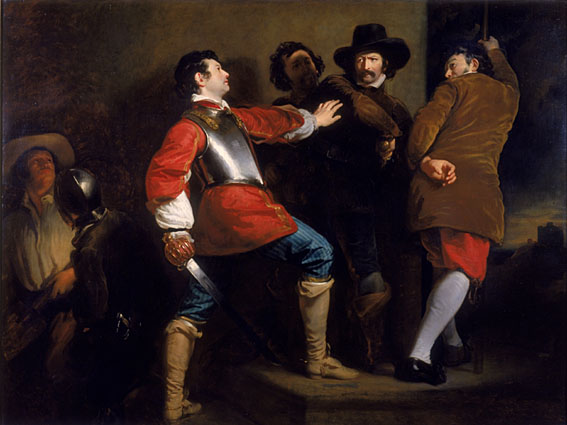
Fawkes was arrested in the cellar and taken into custody. Under orders from the authorities he was subjected to severe interrogation, including the use of authorized torture methods of the period, to extract information about his co-conspirators; sources often summarise this as simply that he was tortured. Several of the conspirators were captured or killed in the months that followed: Catesby died while resisting capture and others stood trial for high treason. Eight men were convicted and sentenced to the harsh penalties prescribed for treason at the time. Fawkes is recorded as having died while awaiting his sentenced execution at the place of punishment; accounts describe him as avoiding the formal sentence by falling from the gallows or otherwise causing his own death before hanging. Several executions and displays of remains were carried out in locations intended as a deterrent, including public sites around London and Westminster. The plot's principal leader was killed while fleeing from authorities; the man who confronted him is variously described in records, sometimes named as the Sheriff or local officials in the area of Worcester who intercepted the conspirators' flight. The scaffold where condemned men were to be executed is often mentioned in narratives of this period (scaffold).
Legacy and commemoration
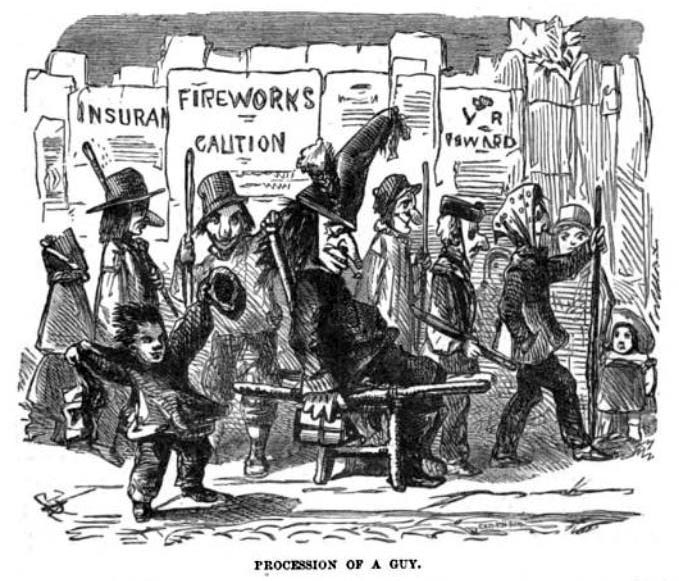
The discovery of the Gunpowder Plot was celebrated by the government and Church of England, and 5 November became a day of public thanksgiving and remembrance. Over the centuries this observance morphed into a folk festival marked by bonfires, fireworks and the burning of effigies — commonly called "guys" after Guy Fawkes — which are paraded and then burned. These customs form the core of modern Guy Fawkes Night celebrations. The figure of Guy Fawkes has also taken on wider symbolic meanings: in some modern contexts he represents resistance to authority and has been adopted as an emblem by political movements and popular culture. The stylized mask associated with that symbolism is a later cultural development drawn from literature and film rather than from Fawkes's lifetime.
Notable facts and distinctions
- Guy Fawkes is often referred to by the Italianate name Guido, reflecting his time in continental Catholic circles.
- The core aim of the conspiracy was the destruction of the Houses of Parliament during the state opening to alter the country's succession and religious policy.
- Though the plot failed, its discovery produced laws and security practices that influenced how Parliament and public ceremonies were conducted thereafter.
- The memory of the event has been reshaped across centuries: a government commemoration became a popular festival and, in modern times, a symbol used in protest iconography.
For further reading on the plot and its participants consult specialized histories and primary-source collections that reconstruct the trial records and contemporary correspondence surrounding the conspiracy and its aftermath. Additional context and summaries are available in general historical surveys and public archives covering the plot and the biographies of its leading figures.
Questions and answers
Q: Who was Guy Fawkes?
A: Guy Fawkes (13 April 1570 – 31 January 1606), sometimes known as Guido Fawkes, was a member of a Roman Catholic revolutionary group based in England who planned to carry out the Gunpowder Plot.
Q: What did the plotters plan to do?
A: The plotters planned to kill the king, James I, and replace him with a Catholic monarch.
Q: When is Guy Fawkes Night celebrated?
A: Guy Fawkes Night is celebrated each year in the UK on 5 November.
Q: How is Guy Fawkes commemorated?
A: People build large bonfires, light fireworks, and burn figures of Fawkes (known as 'the guy') on Guy Fawkes Night.
Q: When was the Gunpowder Plot uncovered?
A: The Gunpowder Plot was uncovered quite late, in the night before 5 November 1605.
Q: What happened when he was arrested?
A: When he was arrested, Fawkes was sitting in a cellar near the gunpowder waiting for the right time to set it off. He was then tortured to make him reveal the names of other plotters.
Q: How were they punished for their crime?
A: They were found guilty of high treason and executed by hanging in Westminster, London except for Fawkes who killed himself by jumping from the scaffold before he could be hanged. Their remains were sent to different parts of England and displayed as a warning to others.
Related articles
Author
AlegsaOnline.com Guy Fawkes: The Gunpowder Plot and the Origins of Bonfire Night Leandro Alegsa
URL: https://en.alegsaonline.com/art/41559
Sources
- books.google.com : Guy Fawkes: a historical romance
- readprint.com : "Jane Eyre - by Charlotte Brontë: Chapter III"
- classiclit.about.com : David Copperfield
- books.google.com : Billy Budd
- poetry.poetryx.com : "T. S. Eliot - The Hollow Men"
- cliffsnotes.com : "Fahrenheit 451: Summaries and Commentaries - Part One"
- mugglenet.com : "Scholastic Online Chat Transcript"