
Guy de Maupassant: French master of the modern short story
Biography and overview of Guy de Maupassant, his life, style, major works and influence as a 19th-century French writer known for economical prose and the modern short story.
Guy de Maupassant (5 August 1850 – 6 July 1893) was a prominent 19th-century French writer widely regarded as one of the founders of the modern short story. He combined concise narration with sharp psychological insight, producing dozens of stories that remain staples of realist and naturalist literature.
Image gallery
10 Images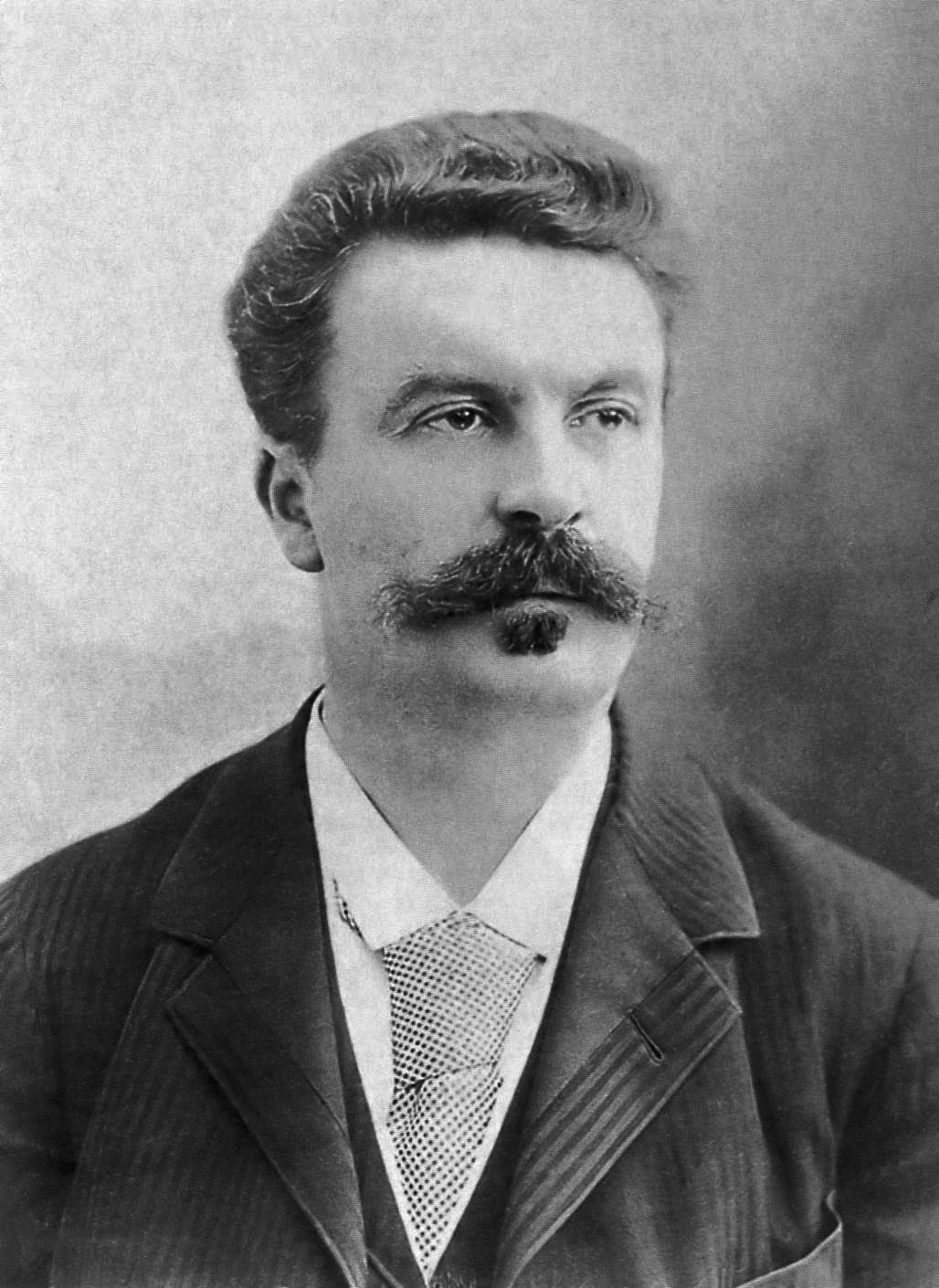





Life and career
Maupassant began his literary training under the guidance of Gustave Flaubert, who taught him attention to form and the value of precise description. His early adulthood was affected by the Franco-Prussian conflict; many of his pieces are set against the backdrop of the Franco-Prussian War, and a considerable number of his narratives deal directly with the experiences of soldiers and civilians during that period (war themes recur throughout his output). Over a short but productive career he published hundreds of short stories and several longer works, including a set of what are commonly called six short novels alongside other novellas and full-length novels.
Style and themes
Maupassant is noted for an almost minimalist economy of prose (economy of style) and for endings that land with an often inevitable, artful twist (dénouement). His stories frequently explore class tensions, the trivial cruelties of society, human folly, and moments of existential dread. He could write with wry irony about Parisian life, as well as with suspenseful intensity in tales that verge on psychological horror.
Notable works
- Boule de Suif — one of his best-known wartime stories, praised for its character studies.
- Bel-Ami — a novel about ambition and social climbing in Paris.
- The Necklace ("La Parure") — a concise moral tale of pride and consequence.
- The Horla — a famous story that anticipates modern psychological horror.
These works illustrate his range: from tightly plotted moral fables to longer narratives tracing social ascent or inner collapse. His ability to sketch a scene or a character quickly while building to a memorable conclusion made his stories models for later writers.
Later in life Maupassant suffered mental decline and was hospitalized; contemporaries and later commentators have linked his deterioration to serious illness and nervous disorders. Despite his early death, his influence persists in the short story tradition and in studies of realism and naturalism. Readers continue to encounter his work in anthologies and translations, and his techniques remain a point of reference for writers seeking economy and psychological acuity.
For further reading and primary texts see editions and critical studies linked from resources such as biographical pages and literary collections (reference lists), and consult scholarly introductions to 19th-century French literature, profiles of key figures like Flaubert, and surveys of the short story form (French and comparative studies often appear in university bibliographies and library guides — see writer directories and annotated collections for recommended editions).
Related articles
Author
AlegsaOnline.com Guy de Maupassant: French master of the modern short story Leandro Alegsa
URL: https://en.alegsaonline.com/art/41556