
Greater Manchester
Metropolitan county in North West England created in 1974; a dense urban region centred on Manchester and Salford with ten boroughs, diverse economy, cultural institutions and extensive transport links.
Overview
Greater Manchester is a metropolitan county and combined urban area in administrative terms located in North West England. It is home to around 2.7 million people living across a mix of inner-city neighbourhoods, large towns and suburban suburbs. The county was created on 1 April 1974 to provide a framework for strategic planning and shared services across a closely linked urban region; it remains shaped by common transport, economic and cultural connections.
Image gallery
10 Images



Constituent places
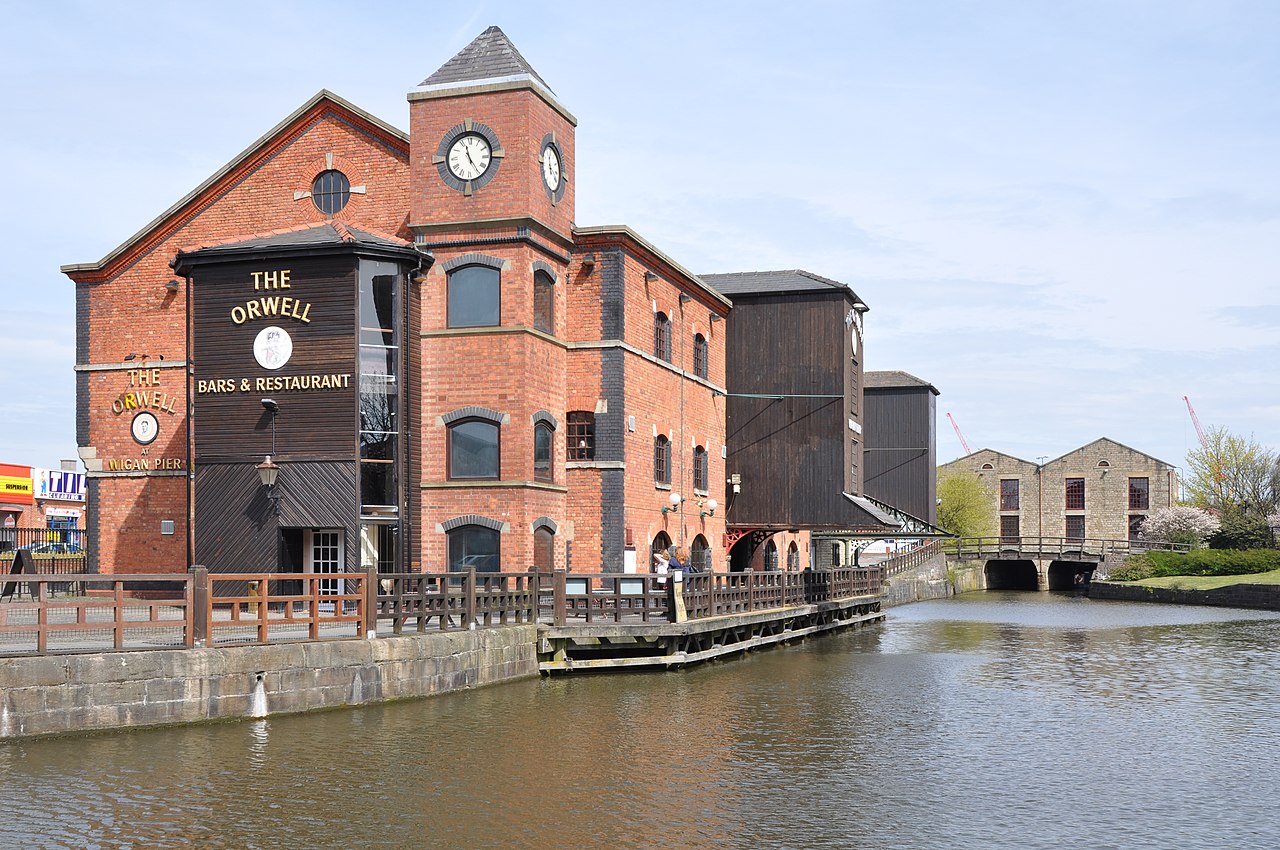
Greater Manchester comprises ten metropolitan boroughs, which contain two cities and a number of large towns and smaller settlements. The county’s urban core includes the principal cities of Manchester and Salford. Other prominent towns are Oldham, Bury, Rochdale, Ashton-under-Lyne in Tameside, Stockport, Wigan, Bolton and smaller places such as Shaw and Crompton. Each borough retains its own local government for day‑to‑day services while working with countywide bodies on strategic matters.
Geography and environment
The county blends a densely developed metropolitan core with pockets of green belt, river valleys and moorland fringes to the north and east. The landscape reflects both urban redevelopment and remnant industrial features: canal networks, former mill complexes and railway corridors are common. Green spaces, parks and countryside areas provide recreation and act as important ecological and planning buffers between settlements.
History and development
Greater Manchester’s growth was driven by the Industrial Revolution, when textile manufacture, engineering and transport industries expanded rapidly. Historic features of that era—mills, warehouses and canal links—remain visible in many towns and have often been repurposed for housing, cultural uses and offices. Post‑war urban change and the reorganisation of local government in the 1970s shaped the current metropolitan county structure.
Economy and education
The regional economy is diverse: finance and professional services, media and creative industries, higher education, health care and advanced manufacturing are all significant employers. Several universities and higher education institutions in the area contribute to research, teaching and the local labour market. Regeneration programmes in central districts and former industrial zones have supported new offices, housing and cultural facilities.
Culture, sport and identity
Greater Manchester has a wide cultural offer, including museums, galleries, theatres and a notable music scene that has had national and international influence. Sport is a strong part of local identity: the area is renowned for professional football clubs, spectator venues and community sports provision. Civic festivals, markets and local traditions also reinforce distinct town identities within the wider metropolitan area.
Transport and governance
Transport links are extensive and include suburban and regional rail services, a light‑rail tram network, local bus services and an international airport serving domestic and global routes. Strategic transport and economic planning are handled by a combined authority and an elected mayor working with borough councils to coordinate infrastructure, housing and economic development policy.
Related articles
Author
AlegsaOnline.com Greater Manchester Leandro Alegsa
URL: https://en.alegsaonline.com/art/40594