
Greeley, Colorado: history, geography, economy and cultural life
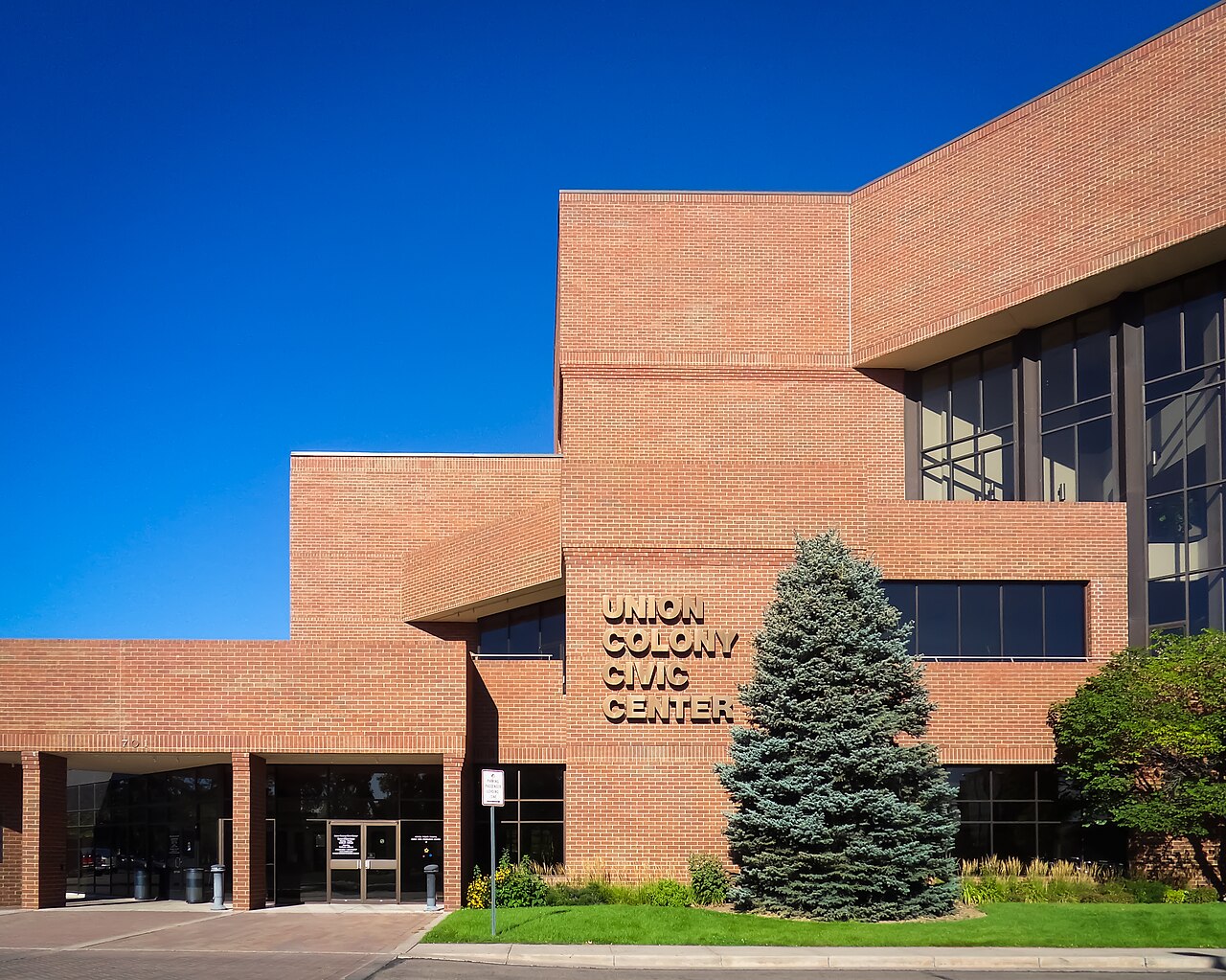
Greeley is the county seat and largest city of Weld County, Colorado. Founded as a cooperative agricultural colony, it is now a regional center for education, agriculture, industry and community events.
Overview
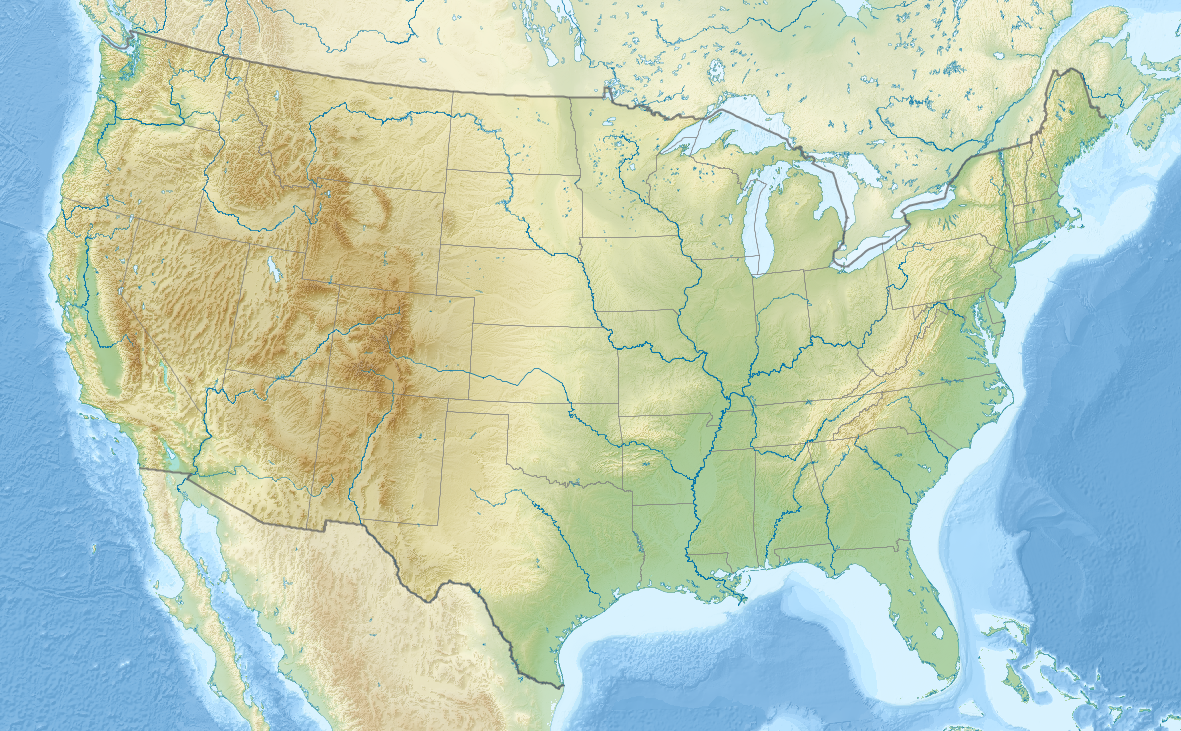
Greeley is the largest municipality in Weld County and serves as its county seat. Located on the High Plains of northern Colorado, the city lies roughly 49 miles north-northeast of the Colorado State Capitol in Denver. As of a July 2018 estimate by the U.S. Census Bureau, the population was 107,348. Greeley functions as a regional hub for surrounding towns and rural areas.
Image gallery
10 Images




Origins and history
The community began in 1869 as the Union Colony, a planned agricultural settlement promoted by journalist Horace Greeley and organized by Nathan Meeker. The colony emphasized cooperative principles, temperance, and irrigated farming as a way to establish a stable, prosperous town on the semi-arid plains. Over subsequent decades Greeley grew from a farming community into a diversified city, while preserving elements of its frontier and agricultural heritage.
Geography and climate
Greeley sits on the eastern edge of the Rocky Mountain foothills in northern Weld County, within the larger region of the central United States. The surrounding landscape is largely flat to gently rolling, with agriculture shaped by irrigation and the semi-arid continental climate: warm summers, cold winters and modest precipitation. Proximity to the Denver metropolitan area influences commuting patterns and regional development.
Economy, education and institutions
The local economy combines agriculture, food processing, energy-related activity, manufacturing and services. Greeley is known for its agricultural production and meatpacking facilities, and it has expanded into education and healthcare. The city hosts the University of Northern Colorado, a significant employer and cultural presence that attracts students from across the country and supports arts, research and athletics.
Culture, events and notable features
Greeley maintains community traditions tied to its western and agricultural roots. Annual festivals and rodeo events draw visitors and celebrate local history. The city also supports museums, performing arts venues and parks. Local organizations and civic institutions promote education, conservation and downtown revitalization.
Government, transportation and regional role
Greeley is governed by a municipal council and functions as a service center for northern Colorado. Road connections and regional transit link the city to the Denver area and neighboring communities. As an important municipality in the state, Greeley plays a role in regional planning, agriculture, higher education and cultural life in the wider United States.
- Key institutions: University of Northern Colorado, local hospitals, cultural centers.
- Signature events: annual rodeos, community festivals and fairs.
- Regional importance: agricultural market center and educational hub.
Related articles
Author
AlegsaOnline.com Greeley, Colorado: history, geography, economy and cultural life Leandro Alegsa
URL: https://en.alegsaonline.com/art/40650
Sources
- geonames.usgs.gov : "Greeley"
- dola.state.co.us : "Active Colorado Municipalities"
- colorado.gov : "Colorado Municipal Incorporations"
- greeleygov.com : "City Council Members"
- www2.census.gov : "2016 U.S. Gazetteer Files"
- factfinder2.census.gov : "American FactFinder"
- census.gov : "Population and Housing Unit Estimates"
- zip4.usps.com : "ZIP Code Lookup" · web.archive.org
- naco.org : "Find a County" · web.archive.org