
Greater Sudbury
City in northeastern Ontario, Canada; a regional centre for mining, education and culture and the largest city in Northern Ontario by population.

Overview
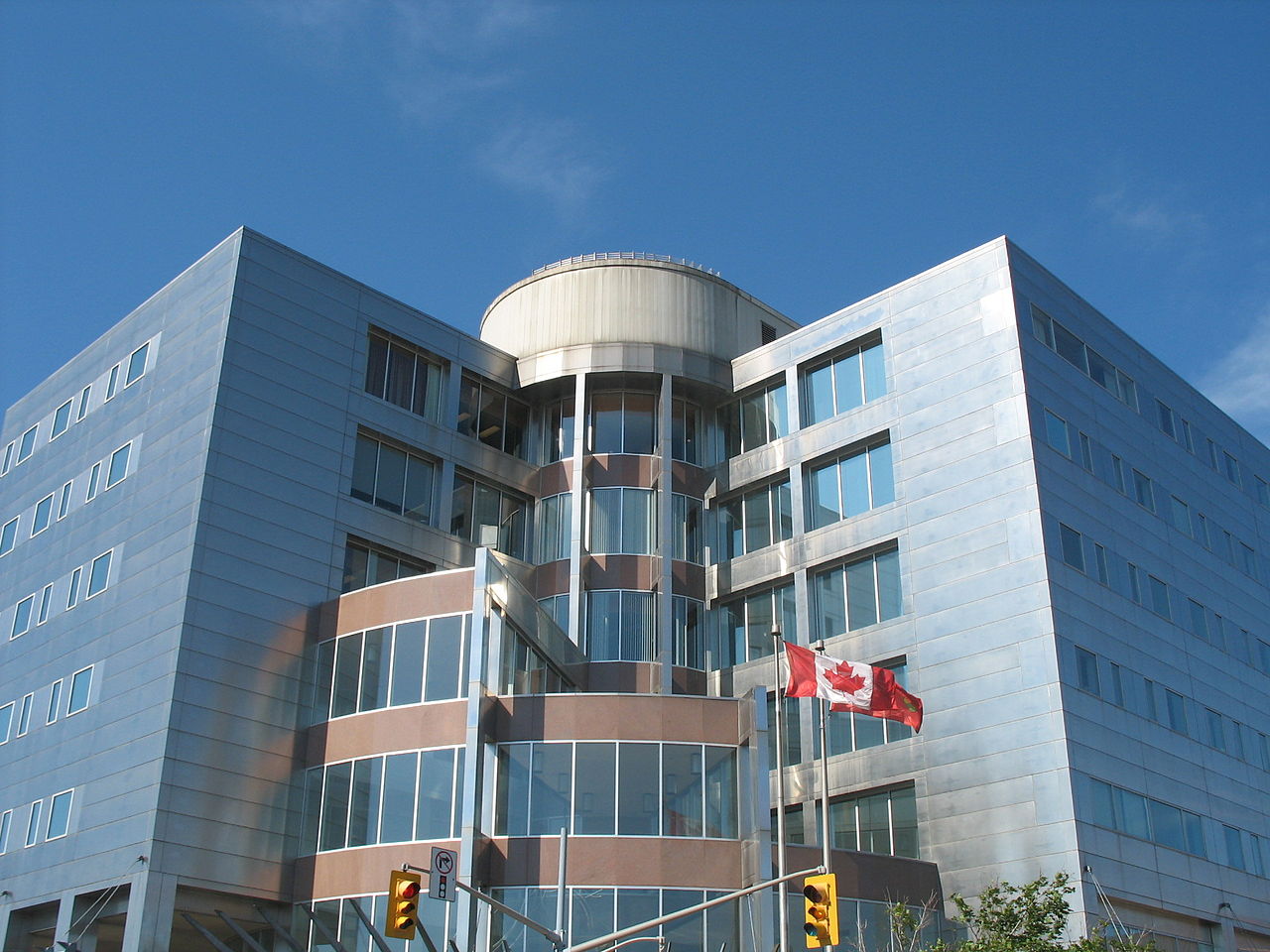
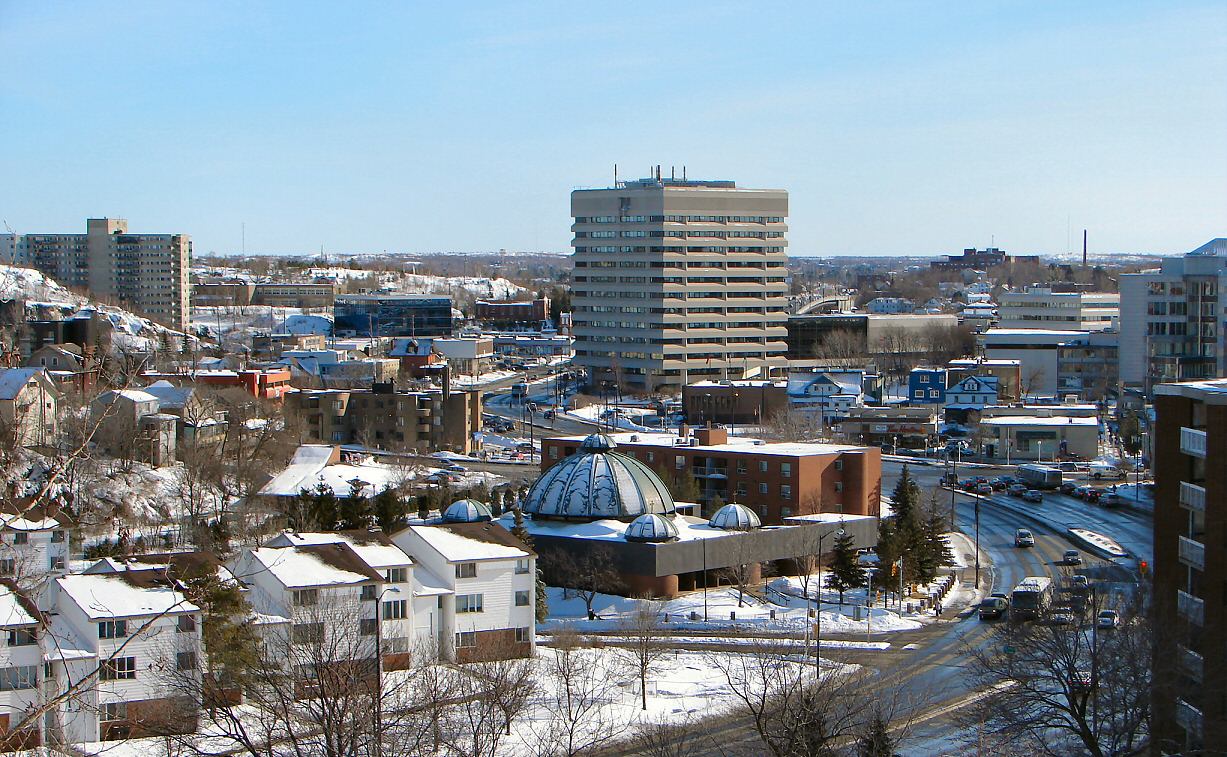
Greater Sudbury, commonly called Sudbury, is a city in Ontario, Canada. It serves as the primary urban centre of Northern Ontario and had a municipal population recorded in 2016 of 161,531. The modern municipality was created through the amalgamation of the city and surrounding towns; it functions as a centre for regional government, health care, education and commerce.
Image gallery
10 Images


Geography and environment
Located on the Canadian Shield, Greater Sudbury is characterized by a rocky landscape punctuated by numerous lakes and mixed forests. The area's terrain and soils were shaped by glaciation and by intensive industrial activity: decades of mining led to significant landscape alteration and vegetation loss in parts of the region. Since the late 20th century there have been extensive rehabilitation and re-greening efforts to restore soils, plant native trees and improve water quality, which have become an important example of environmental recovery in a mining district.
Economy and industry
Mining has been central to Sudbury's economy since the late 19th century, particularly the extraction and processing of nickel and other metals. Over time the local economy has diversified; today mining remains important but is complemented by services such as education, health care, finance, and public administration. Mining technology and research, environmental services, and tourism connected to natural and cultural attractions also contribute to the regional economy.
Culture, education and institutions
Sudbury hosts several post-secondary institutions and cultural attractions. Notable organizations and sites include:
- Laurentian University, offering undergraduate and graduate programs and research activities.
- Specialized science and heritage attractions such as Science North and the Dynamic Earth museum, which interpret geology and mining history.
- Community theatres, galleries and festivals that reflect Anglophone and Francophone traditions; the city supports bilingual services and a significant Franco-Ontarian community.
Transport and climate
The city is connected to other regions by major highways and a regional airport; historically it was also an important rail junction. Sudbury experiences a humid continental climate with warm summers and cold, snowy winters typical of inland locations at mid to high latitudes. Its natural setting encourages outdoor recreation year-round, from boating and hiking in summer to snowmobiling and skiing in winter.
Notable facts and distinctions
Greater Sudbury is widely recognized for its role in the global nickel industry and for the visible effects of mining on its landscape and subsequent restoration work. It functions as a service and cultural hub for a broad, sparsely populated region of Ontario and is located on lands long inhabited by Indigenous peoples, whose history and contemporary presence are part of the area's social fabric. Visitors and residents alike often point to the combination of industrial heritage, freshwater lakes and forested terrain as defining features of the city.
Related articles
Author
AlegsaOnline.com Greater Sudbury Leandro Alegsa
URL: https://en.alegsaonline.com/art/40604