
Bolton: Industrial town in Greater Manchester, England
Bolton is a town in North West England near Manchester, historically a Lancashire mill town known for cotton manufacturing, now an administrative and cultural centre within Greater Manchester.
Bolton is a town in the North West of England that serves as the administrative heart of the Metropolitan Borough of Bolton. Historically known as Bolton le Moors, it lies to the north-west of Manchester and forms part of the metropolitan county of Greater Manchester. Today Bolton combines a legacy of industrial architecture with modern retail, education and cultural institutions.
Image gallery
10 Images


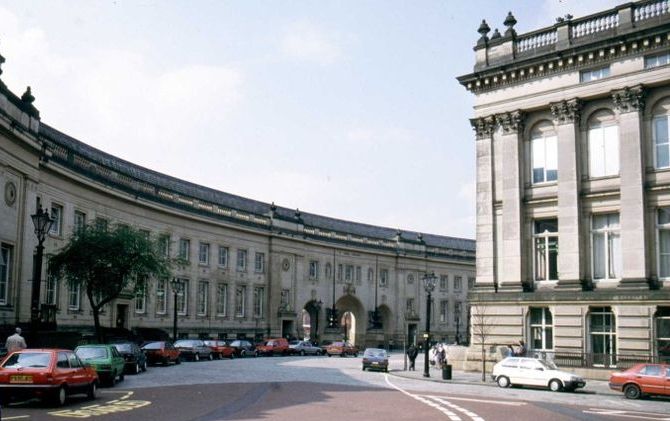

Location and geography
Bolton occupies a position near the western edge of the Pennines and has a mix of urban centre, suburban neighbourhoods and surrounding moorland. The town is well connected by road and rail to nearby Manchester — to the south-east — and to other towns in the North West. For basic orientation see local maps and transport guides: town information and regional summaries for the North West of England. The historic relationship with Manchester remains important to commuting and commerce: Manchester links are a common reference point for visitors.
History and development
Bolton grew rapidly during the Industrial Revolution as handloom weaving gave way to powered textile mills. It became particularly associated with the cotton industry and mill buildings dominated the townscape: this industrial era is often summarized by references to the cotton industry. Administratively Bolton was part of the county of Lancashire until local government reorganisation in the 1970s; those changes are sometimes noted simply as the 1970s reorganisation. Older surviving buildings, civic monuments and remnants of the mill economy attest to that period of growth and change.
Economy, culture and uses
While textiles were the dominant trade for much of the 18th and 19th centuries, Bolton's economy has diversified. Retail, light industry, education and health services now provide many jobs. The town supports cultural venues, museums and theatres, and hosts community festivals. The local university and college provision contribute to vocational and degree-level training for the wider sub-region.
Landmarks and transport
- Historic sites: manor houses and mill complexes preserved in the urban fabric.
- Civic buildings and museums that interpret the town's industrial past.
- Sports: a professional football club and modern stadium attract regional supporters.
- Transport: regular rail services and motorways link Bolton with central Manchester and other North West locations; see local travel pages for schedules and routes.
Bolton continues to balance its industrial heritage with contemporary development, retaining local identity while functioning as part of the Greater Manchester metropolitan area. For further local resources and visitor information consult borough guides and community sites: local guide, regional overviews at North West portals, and county histories under Lancashire entries. Other helpful references include transport pages about Manchester connections and cultural listings: England regional directories and civic pages on Greater Manchester. For historical industry context see materials on the cotton industry and local government changes of the 1970s.
Related articles
Author
AlegsaOnline.com Bolton: Industrial town in Greater Manchester, England Leandro Alegsa
URL: https://en.alegsaonline.com/art/12814