
Grand Duchess Xenia Alexandrovna of Russia
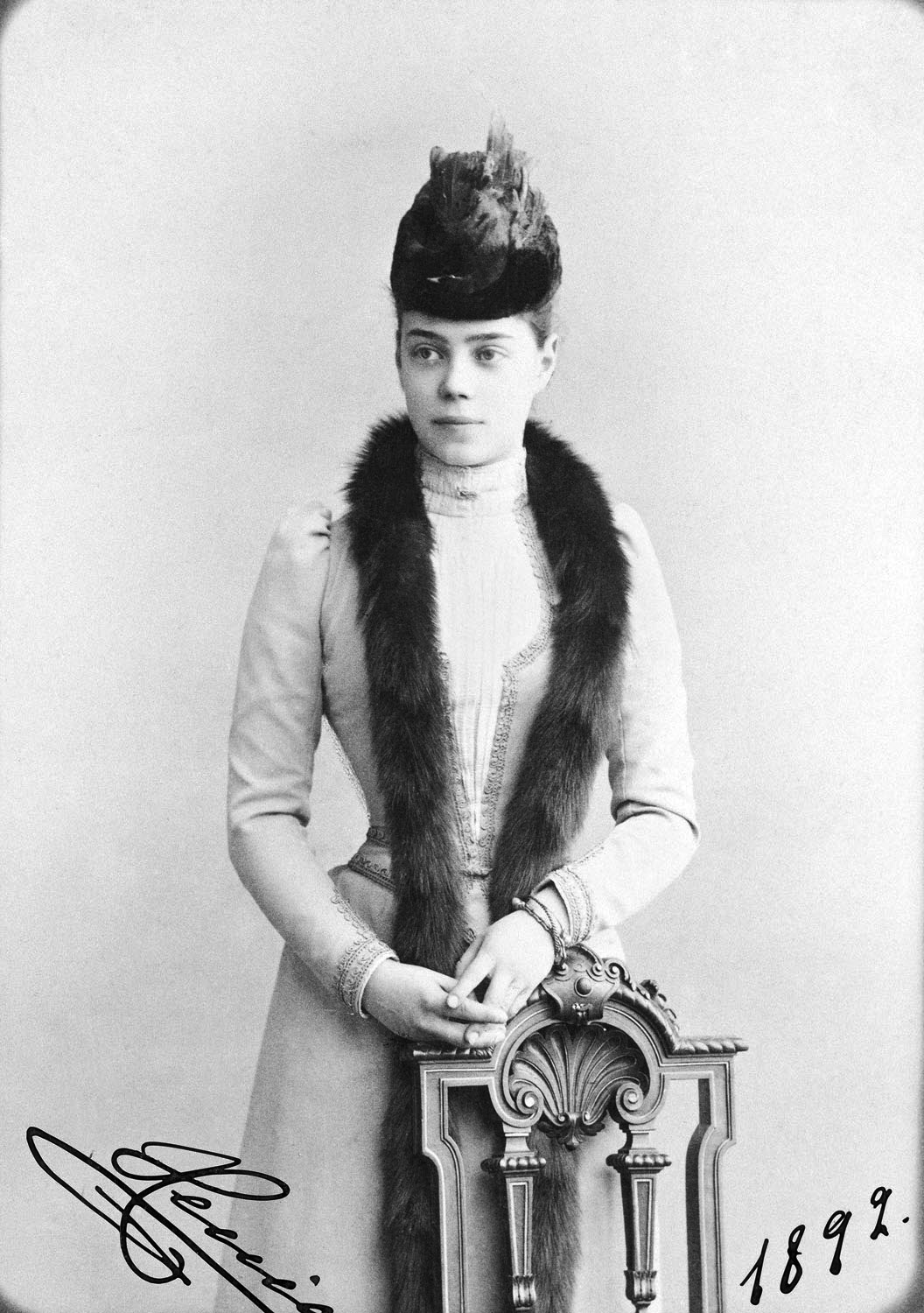
Grand Duchess Xenia Alexandrovna (1875–1960), daughter of Tsar Alexander III and sister of Nicholas II; married Grand Duke Alexander Mikhailovich, mother of seven, escaped the 1917 revolution and spent her later life in England.
Overview
Grand Duchess Xenia Alexandrovna (Russian: Ксения Александровна Романова) was a prominent member of the Romanov dynasty, born in 1875 as a daughter of Tsar Alexander III. She was the elder sister of Tsar Nicholas II and therefore an influential figure within the imperial family. Her life spanned the final decades of imperial Russia, the upheaval of the 1917 revolutions, and the long years of exile that followed.
Image gallery
10 Images





Early life and family
Xenia grew up in a conservative and devout imperial household where duty and ceremony were central. As a grand duchess she received a formal education typical of high-ranking Romanov women, combining languages, religion and court etiquette with charitable work. During her brother's reign she kept a largely private profile and focused on family responsibilities and the upbringing of her children rather than political activity; this private role reflected the constrained public expectations for women of her rank in the late imperial court (see context).
Marriage and children
In 1894 she married her cousin, Grand Duke Alexander Mikhailovich of Russia, a naval officer and member of the extended Romanov circle. The marriage produced seven children, several of whom later played roles in émigré circles. Their children included:
- Irina
- Andrei
- Feodor
- Nikita
- Dmitri
- Rostislav
- Vasili
Revolution, escape and exile
After the collapse of the monarchy and the Bolshevik seizure of power, Xenia and her family faced the same dangers as other members of the imperial household. She managed to leave Russia and eventually settled in the United Kingdom, where she was aided for a time by the British royal family and granted refuge in royal residences and private homes. Her exile reflected the broader dispersal of Romanovs and other Russian aristocrats following the revolution (monarchy abolished).
Life in England and legacy
In exile Xenia lived mainly in England and sometimes on the Continent; her later years were marked by the maintenance of family memory, correspondence with other émigrés, and the management of limited finances and properties. She spent periods of residence near members of the British royal household and in British towns that sheltered Russian émigrés (England). Her longevity and status as an elder Romanov gave her a place in memoirs and histories that examine the end of imperial Russia and the diaspora that followed.
Notable aspects
While not a political actor, Xenia's life illustrates several key themes of the period: the intimacy and vulnerability of imperial families, the adjustments forced by exile, and the role of dynastic ties across Europe in providing refuge after 1917. Portraits and family letters associated with her life remain of interest to historians and to those tracing the fate of the Romanov generation.
Questions and answers
Q: Who was Grand Duchess Xenia Alexandrovna of Russia?
A: Grand Duchess Xenia Alexandrovna of Russia was the eldest of Czar Nicholas II's two sisters and daughter of Tsar Alexander III of Russia.
Q: Who did Grand Duchess Xenia Alexandrovna of Russia marry?
A: Grand Duchess Xenia Alexandrovna of Russia married her cousin Grand Duke Alexander Mikailovich of Russia.
Q: How many children did Grand Duchess Xenia Alexandrovna of Russia have?
A: Grand Duchess Xenia Alexandrovna of Russia had seven children.
Q: What kind of life did Grand Duchess Xenia Alexandrovna of Russia lead during her brother's reign?
A: During her brother's reign, Grand Duchess Xenia Alexandrovna of Russia lived a private life.
Q: Where did Grand Duchess Xenia Alexandrovna of Russia live after escaping Russia?
A: After escaping Russia, Grand Duchess Xenia Alexandrovna of Russia lived in England.
Q: When was Grand Duchess Xenia Alexandrovna of Russia born and when did she die?
A: Grand Duchess Xenia Alexandrovna of Russia was born on April 6, 1875, and she died on April 20, 1960.
Q: Who was Grand Duchess Xenia Alexandrovna of Russia's father?
A: Grand Duchess Xenia Alexandrovna of Russia's father was Tsar Alexander III of Russia.
Related articles
Author
AlegsaOnline.com Grand Duchess Xenia Alexandrovna of Russia Leandro Alegsa
URL: https://en.alegsaonline.com/art/40183
Sources
- worldcat.org : 55942331