
Governorates of the Palestinian National Authority
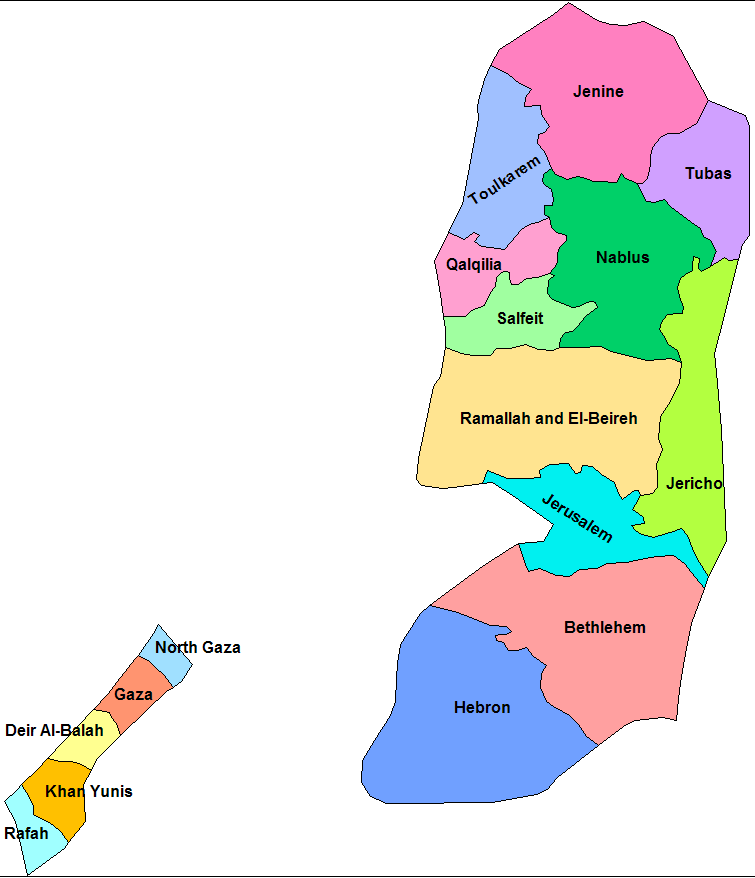
The Palestinian National Authority administers the West Bank and Gaza Strip through sixteen governorates that serve as primary subnational units for governance, planning, and public services.
Overview
The administrative subdivisions covering the Palestinian territories are organized into governorates that group towns, villages and refugee camps for local administration. These divisions span the West Bank and the Gaza Strip and are commonly cited as the 16 governorates used in official planning and statistics. They serve as the principal units through which the Palestinian central institutions coordinate services and represent local populations.
Image gallery
2 Images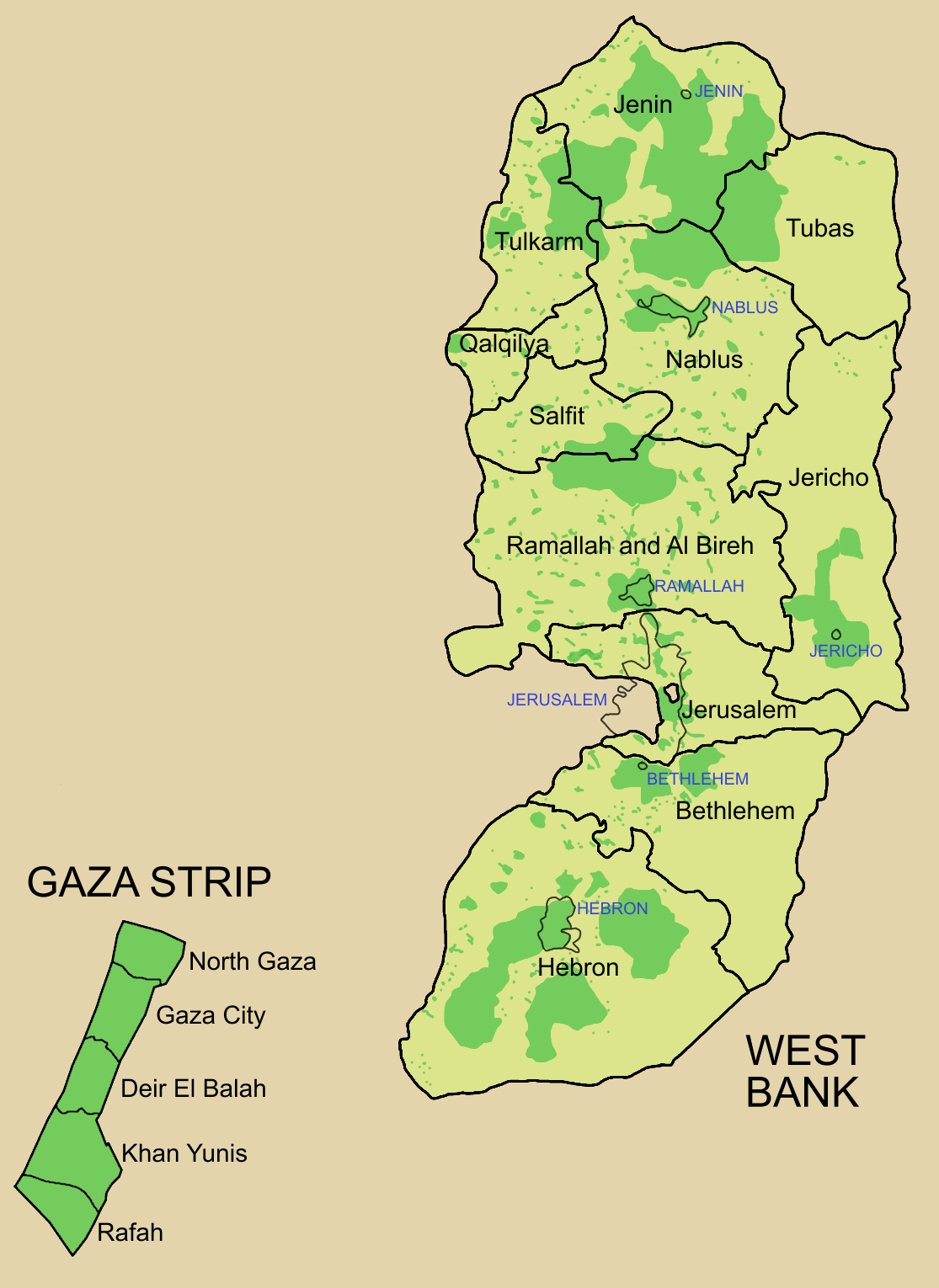
Organization and leadership
Each governorate is typically administered from a principal town or city and overseen by a governor (often translated from Arabic as muhafiz) who is associated with the central authority. The governorate contains smaller municipal entities such as municipalities, village councils and refugee camp administrations. Responsibilities at the governorate level include coordinating public services, local development planning and liaising with national ministries, international agencies and non-governmental organizations.
Functions and examples
- Service coordination: health, education and infrastructure planning within the governorate.
- Administrative oversight: supervision of municipalities, statistics and civil registration tasks.
- Civic roles: serving as electoral districts, focal points for humanitarian assistance and emergency response.
History and political context
The system of governorates developed after the Oslo process and the establishment of the Palestinian National Authority, shaping the territorial framework for Palestinian self-administration. The practical authority exercised by governors and local bodies has been affected by the broader political and security environment, including restrictions on movement and control of borders and certain areas by other authorities.
Distinguishing features and significance
Governorates are useful for planning, statistical reporting and local governance, but their effectiveness varies by location. Conditions differ markedly between governorates in the West Bank and those in the Gaza Strip, owing to demographic density, infrastructure, access constraints and political circumstances. As administrative units, they remain central to public administration, local representation and coordination with international organizations.
Related articles
Author
AlegsaOnline.com Governorates of the Palestinian National Authority Leandro Alegsa
URL: https://en.alegsaonline.com/art/40016
Sources
- passia.org : passia.org