
Gotha (district)
Gotha is a rural district (Kreis) in central Thuringia, Germany, centered on the town of Gotha. It features historical towns, mixed countryside, and cultural landmarks like Friedenstein Castle.
Gotha is a rural district (Kreis) in central Thuringia, in the heart of Germany. The district takes its name from its administrative centre, the town of Gotha, and comprises a mixture of small towns, market communities and agricultural land. Its identity combines historical heritage with modern regional administration and services.
Image gallery
2 Images
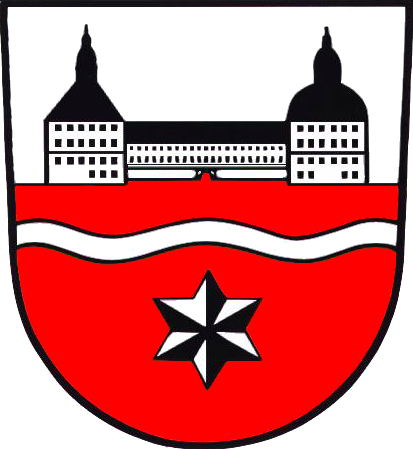
Geography and administration
The district covers varied terrain at the transition between low hills and the edges of higher uplands. Its settlements are linked by regional roads and rail connections to larger nearby cities, providing commuting and economic ties. Local government is responsible for services such as schools, waste management and regional planning across the municipalities that make up the Kreis.
Towns and notable places
Gotha district contains several historically important towns and smaller communities. Among the better known are the administrative seat, Gotha, and other market towns that preserve traditional architecture and local museums. Notable sites include Friedenstein Castle in Gotha, parks, and museum collections that reflect the area's princely past.
History and cultural legacy
The region around Gotha has deep historical roots. The town of Gotha was once a princely residence and a centre for publishing and scholarship. A well-known cultural product associated with the town is the Almanach de Gotha, a directory of European nobility that was produced there. Over time regional boundaries and administrative structures evolved, but the district retains links to this layered history.
Economy, tourism and importance
The local economy is a blend of light industry, services, agriculture and tourism. Visitors are drawn by cultural attractions, historic town centres and outdoor recreation near nearby forested uplands. The district plays a regional role as a centre for education, health services and commerce for surrounding rural areas.
Distinctions and modern role
Today Gotha district balances preservation of heritage with contemporary regional planning. It is noted for its historic architecture, museums, and a network of towns that together form a cultural and economic unit within central Thuringia. For further municipal details and official information consult regional resources or the district administration.
Related articles
Author
AlegsaOnline.com Gotha (district) Leandro Alegsa
URL: https://en.alegsaonline.com/art/39861