
GoldenEye 007 (2010 video game)
A 2010 reimagining of GoldenEye for Wii and DS that updates the 1997 N64 shooter with modern FPS elements, local and online multiplayer, and an enhanced console port in 2011.
Overview
GoldenEye 007 (2010) is a first-person video game that retells elements of the film GoldenEye while reworking the levels and scenarios of the influential 1997 Nintendo 64 title often called GoldenEye 007. The player assumes the role of James Bond, Agent 007, and progresses through a single-player campaign that blends cinematic set pieces with objective-driven combat. The main retail releases shipped for the Nintendo Wii and Nintendo DS, and an upgraded edition titled GoldenEye 007: Reloaded later appeared on PlayStation 3 and Xbox 360.
Image gallery
3 Images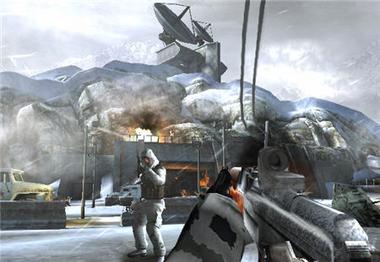


Gameplay and design
The 2010 version preserves the core first-person shooting of the original while adding modern conventions common to contemporary shooters. These include a visible health meter that can recover when the player avoids damage, more interactive and partially destructible environments, and enemy behavior tuned for cover-based encounters. Levels were redesigned rather than copied verbatim: familiar locations and mission names may return, but layouts, objectives and pacing were adjusted to support the updated narrative and mechanics.
Single-player and structure
The single-player campaign emphasizes mission objectives and scripted moments that advance the story. Rather than strictly recreating the N64 missions, the developers combined inspiration from the film and the older game to produce a condensed, cinematic arc. Players typically face a mix of stealth, gadget use and direct firefights, with optional objectives or challenges that extend replay value.
Multiplayer
Multiplayer was a major focus for the 2010 release. Local split-screen matches supported up to four players, while online matches allowed larger player counts through Nintendo's then-current services. Competitive modes included traditional deathmatch-style play as well as team and objective variants. Online play on the Wii and DS depended on the Nintendo Wi-Fi Connection, a service that has since been discontinued, affecting the availability of online features for these versions.
Platforms and controls
Control options varied by platform. On the Wii, motion-assisted aiming with the Wii Remote plus Nunchuk was a principal control scheme; the game also supported the Wii Zapper, Classic Controller and Nintendo GameCube controllers. The Nintendo DS edition made use of the handheld's dual screens and touch input to offer a tailored control experience. The later Reloaded edition for home consoles focused on higher-resolution graphics and presentation improvements while retaining the redesigned campaign and multiplayer concepts.
- Platforms: Wii and DS at launch; enhanced console port for PlayStation 3 and Xbox 360 in 2011.
- Release windows: launched in North America on November 2, 2010, in Europe on November 5, 2010, and later in Japan.
- Online services: multiplayer leveraged Nintendo Wi-Fi Connection for online matches on the Wii and DS.
Development
Different studios handled the Wii and DS versions to adapt the game to each platform's strengths and limitations. The project aimed to balance nostalgia for the 1997 title with expectations of modern audiences, resulting in changes to level structure, enemy placement and mission flow. The decision to release an enhanced Reloaded edition on other consoles reflected demand for improved visuals and additional content on more powerful hardware.
Reception and legacy
Critical response recognized the attempt to update a well-known classic: reviewers often praised the adaptable control schemes and the breadth of multiplayer options, while some longtime fans and commentators noted differences in tone and mission design compared with the N64 original. As a licensed remake, GoldenEye 007 (2010) illustrates the challenges of modernizing a legacy title—balancing respect for source material with the need to meet contemporary design standards and platform expectations.
Notable points
The 2010 game is part of the broader GoldenEye franchise and demonstrates how film adaptations and prior game versions can be combined into a reimagined product. Its online features were tied to services that have changed since release, and the Reloaded edition offered an avenue for players on other consoles to experience the updated interpretation with enhanced presentation.
Related articles
Author
AlegsaOnline.com GoldenEye 007 (2010 video game) Leandro Alegsa
URL: https://en.alegsaonline.com/art/39523
Sources
- goldeneyegame.com : "GoldenEye 007 – Official Game Site"
- mi6.co.uk : "Nicole Scherzinger covers title theme song for 'GoldenEye 007'"
- nintendo.co.uk : "Get the inside story of the all-new GoldenEye 007 for Wii"