
GoldenEye (1995 film)
GoldenEye (1995) relaunched the James Bond series with Pierce Brosnan, introduced Judi Dench as M, and left a lasting legacy through its box office success and an influential video-game tie‑in.
GoldenEye is a 1995 British action-adventure espionage film that relaunched the long-running James Bond series after a six-year production hiatus. Directed by Martin Campbell and released in November 1995, it is widely considered the seventeenth official Eon Productions entry in the franchise. The picture updated the character and series tone for the post–Cold War 1990s while retaining classic Bond elements such as gadgets, exotic locations and set-piece action sequences.
Image gallery
5 Images


Plot overview
The narrative follows James Bond on a mission to investigate the theft and activation of a powerful satellite weapon codenamed "GoldenEye." The story combines espionage, a revenge-driven antagonist, and large-scale action: chases, infiltrations and a climactic scheme that mixes technology with geopolitical stakes. While the plot uses established Bond motifs, the screenplay relocates them into contemporary political tensions of the 1990s.
Cast and characters
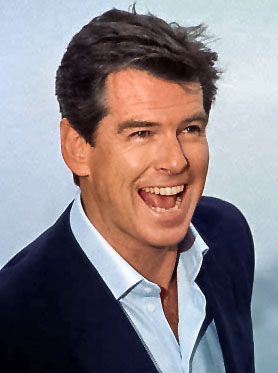
The film introduced Pierce Brosnan as James Bond, presenting a performance that many critics and viewers praised for balancing suavity with toughness. Judi Dench appears for the first time as M, the head of MI6, bringing a sharper, more critical authority to the role and signaling a new direction for the series’ leadership figures. The principal antagonist is Alec Trevelyan, portrayed by Sean Bean, who provides a personal dimension to the conflict. Critics compared Brosnan’s take on Bond favorably to his immediate predecessor, Timothy Dalton, emphasizing a more accessible and charismatic approach.
- Title song: the theme was performed by Tina Turner, a high-profile contribution that reinforced the film’s contemporary pop-culture presence.
- Box office: GoldenEye was a commercial success, earning well over $350 million worldwide and helping to restore momentum to the franchise.
- Production: the movie combined practical stunts and location shooting with then-modern production design to achieve large-scale action sequences.
Production background
The movie followed a multi-year gap caused by legal disputes that affected the franchise. Producers and the creative team used the relaunch as an opportunity to modernize Bond’s world: technology and tradecraft in the script were updated, the recurring mixture of wit and peril was retained, and several set pieces were staged to take advantage of contemporary filmmaking techniques.
Reception and legacy
GoldenEye received generally positive reviews for reinvigorating the series and for its casting choices. Brosnan’s entrance helped attract new audiences while retaining long-time fans. The film’s influence extended beyond cinemas: its licensed 1997 video-game adaptation became a landmark title for home consoles and contributed significantly to the film’s cultural footprint. Over time GoldenEye has been discussed in retrospectives as a turning point that bridged classic Bond conventions with a modern cinematic sensibility.
Notable distinctions
- Marked Pierce Brosnan’s debut as James Bond, beginning a new era for the role.
- Introduced Judi Dench’s M, a more authoritative and contemporary depiction of the character.
- Produced a commercially successful film and an influential video-game tie‑in that broadened the franchise’s audience.
For further reading, consult film histories, production notes and retrospective interviews that explore GoldenEye’s development, casting decisions and the film’s impact on the Bond franchise and popular culture.
Related articles
Author
AlegsaOnline.com GoldenEye (1995 film) Leandro Alegsa
URL: https://en.alegsaonline.com/art/39525