
Good Kid, M.A.A.D City — Kendrick Lamar album (2012)
A concept-driven studio album by Kendrick Lamar released in 2012. It chronicles youth, violence and choices in Compton through cinematic storytelling, notable singles, guest artists and wide critical acclaim.
Overview
Good Kid, M.A.A.D City (styled good kid, m.A.A.d city) is the major-label second studio album by American rapper Kendrick Lamar, released on October 22, 2012 through Top Dawg Entertainment, Aftermath Records and Interscope Records. The record is widely regarded as Lamar's breakthrough into mainstream recognition: it presents a tightly constructed narrative built from songs, interludes and audio skits that depict episodes from the artist's teenage years in Compton.
Image gallery
3 Images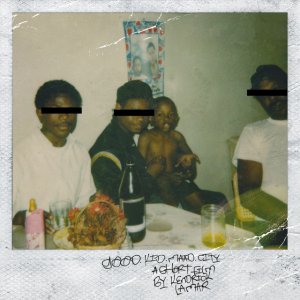


Concept and themes
Rather than a loose collection of tracks, Good Kid, M.A.A.D City works as a coming-of-age story. The title contrasts the protagonist's basic decency — the "good kid" — with the sometimes overwhelming pressure and chaos of his environment, abbreviated as "m.A.A.d". Lyrics and spoken interludes explore themes such as peer pressure, gang culture, drug use, police encounters, moral conflict and family relationships. The album frequently alternates introspective verses with more aggressive tracks to reflect these tensions.
Music, structure and collaborators
Musically the album blends West Coast hip hop with soulful, jazz-tinged and modern pop-rap production. It uses recurring motifs and cinematic sequencing to maintain narrative continuity: voicemail segments, radio cuts and dialogue link many songs into a single storyline. Executive production and support from established figures helped shape its sound; guest vocal contributions appear from respected contemporaries and elders in hip hop, creating a collaborative environment that emphasizes both local and broad influences.
Singles and notable tracks
The project was promoted by several singles that became staples of Lamar's catalog: "Bitch, Don't Kill My Vibe", "Swimming Pools (Drank)", "Money Trees", "Backseat Freestyle", "m.A.A.d city" and "The Recipe". Some tracks are character-driven or situational, others function as confessional or philosophical statements. Several songs received radio play and music videos, which helped the album reach a wider audience.
Reception and impact
Upon release the album drew strong critical praise for its storytelling, lyrical depth and cohesion, and it established Kendrick Lamar as a major voice in contemporary hip hop. Critics and listeners noted the record's ability to merge personal narrative with broader social observation. It earned award nominations and significant year-end recognition, and it is often cited in discussions about modern concept albums and the revitalization of West Coast rap.
Legacy and listening guide
Good Kid, M.A.A.D City is frequently recommended as an entry point to Kendrick Lamar's work because it combines accessible singles with an overarching story. Its layered production and careful sequencing reward attentive listening: playing the album in order reveals the intended narrative arc. For readers seeking more context, there are resources about the artist's early mixtape, production credits, hometown influences and individual song lyrics.
Further reading and resources
- Kendrick Lamar — artist information
- Record labels: Top Dawg / Aftermath / Interscope
- Overly Dedicated — earlier mixtape that raised profile
- Dr. Dre — production and mentorship role
- Aftermath Records — label background
- Lyrics and song annotations
- Compton — cultural and historical context
- Substance use and youth culture — thematic background
- Singles and music videos from the album
- Guest appearances and featured artists
Related articles
Author
AlegsaOnline.com Good Kid, M.A.A.D City — Kendrick Lamar album (2012) Leandro Alegsa
URL: https://en.alegsaonline.com/art/39633
Sources
- bostonglobe.com : "Kendrick Lamar, 'good kid, m.A.A.d city'" · web.archive.org