
Golden plates
Metal plates that Joseph Smith said were shown to him by an angel and translated into the Book of Mormon; central to Latter Day Saint origins and contested by historians.
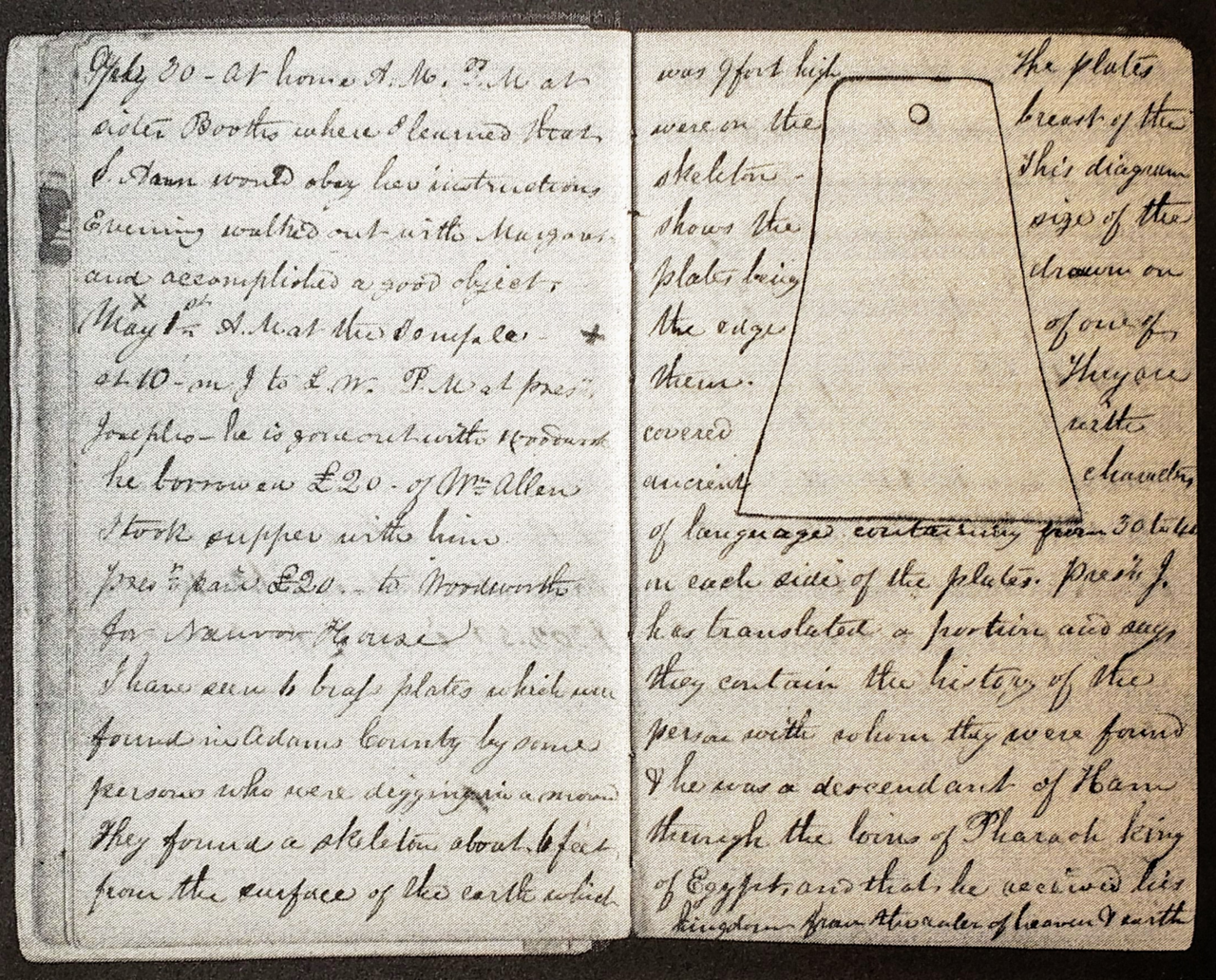
The term "golden plates" refers to a set of metal plates that, according to followers of the Latter Day Saint movement, were delivered to Joseph Smith by an angel and formed the source material for the Book of Mormon. In Latter Day Saint tradition the plates bore an unknown script and were translated by Smith into English, producing one of the movement's founding scriptures. The plates have become a focal point for faith, scholarship, and controversy about the early history of the movement.
Image gallery
8 Images





Description and reported characteristics
Contemporary accounts by Joseph Smith and early adherents describe the plates as thin metal sheets, golden or gold-colored, fastened together and inscribed with characters. Witnesses variously described their weight as substantial but portable, and their writing as unfamiliar; Smith later called the script a form of "reformed Egyptian." The plates are said to have been bound together with rings and covered by a stone called the Urim and Thummim—an interpretive instrument mentioned in accounts of the translation process.
Origin story and translation
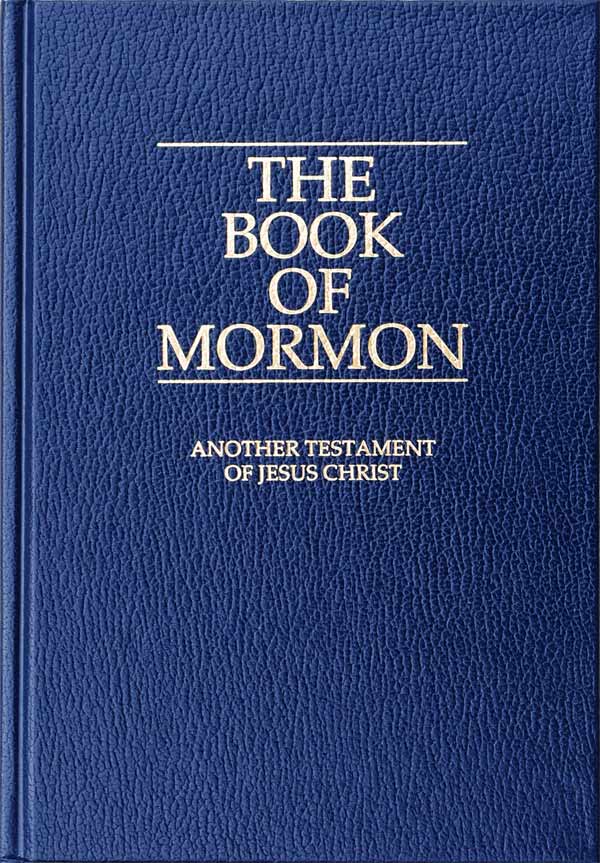
According to Smith's account, he was first visited in the 1820s by an angel who revealed the location of buried plates on a hillside. Smith reported retrieving the plates after a period of preparation, then translating their contents into English by supernatural means, sometimes described as the use of a seer stone or the Urim and Thummim. The translation was published as the Book of Mormon and became a central text for the emerging movement.
Witnesses and attestations
Early supporters organized into groups who later gave formal statements claiming they had seen or handled the plates. These statements—collectively known as the Testimony of the Three Witnesses and the Testimony of the Eight Witnesses—are included in editions of the Book of Mormon. Those testimonies remain influential among believers and are often discussed in historical and apologetic literature.
Historical reception, debate, and current status
Scholars and critics have offered a range of interpretations: traditional believers treat the plates and their translation as literal historical events; other researchers view the accounts as religious experience or 19th-century religious invention. Joseph Smith reported that the plates were returned to the angel after translation, and no physical plates are available for modern examination. Because of this, scientific verification is not possible and discussions tend to focus on documentary, testimonial, and cultural evidence.
Significance and cultural impact
Whether understood as a historical artifact or a foundational religious claim, the story of the plates has had lasting influence on the identity, theology, and imagery of the Latter Day Saint movement. References to the plates appear in church art, literature, and public discussions of American religious history. For further context on the movement's origins and texts, see materials linked to Joseph Smith and the Book of Mormon: Joseph Smith, angelic visitation accounts, and the Book of Mormon.
Related articles
Author
AlegsaOnline.com Golden plates Leandro Alegsa
URL: https://en.alegsaonline.com/art/39506