
Goby (Gobiidae): diversity, biology, and ecological role
Goby (family Gobiidae) are a large group of mostly small benthic fishes—over 2,000 species—found in marine, brackish and freshwater habitats. Many are burrowers, symbionts, cleaners, or aquarium species.
Overview
The gobies belong to the family Gobiidae, one of the most species-rich groups of teleost fishes. Often simply called gobies or goby fish, they include more than 2,000 described species distributed among over 200 genera. Most gobies are small — commonly under 10 cm in length — and many occupy shallow coastal, estuarine, or freshwater habitats around the world.
Image gallery
10 Images



Physical characteristics
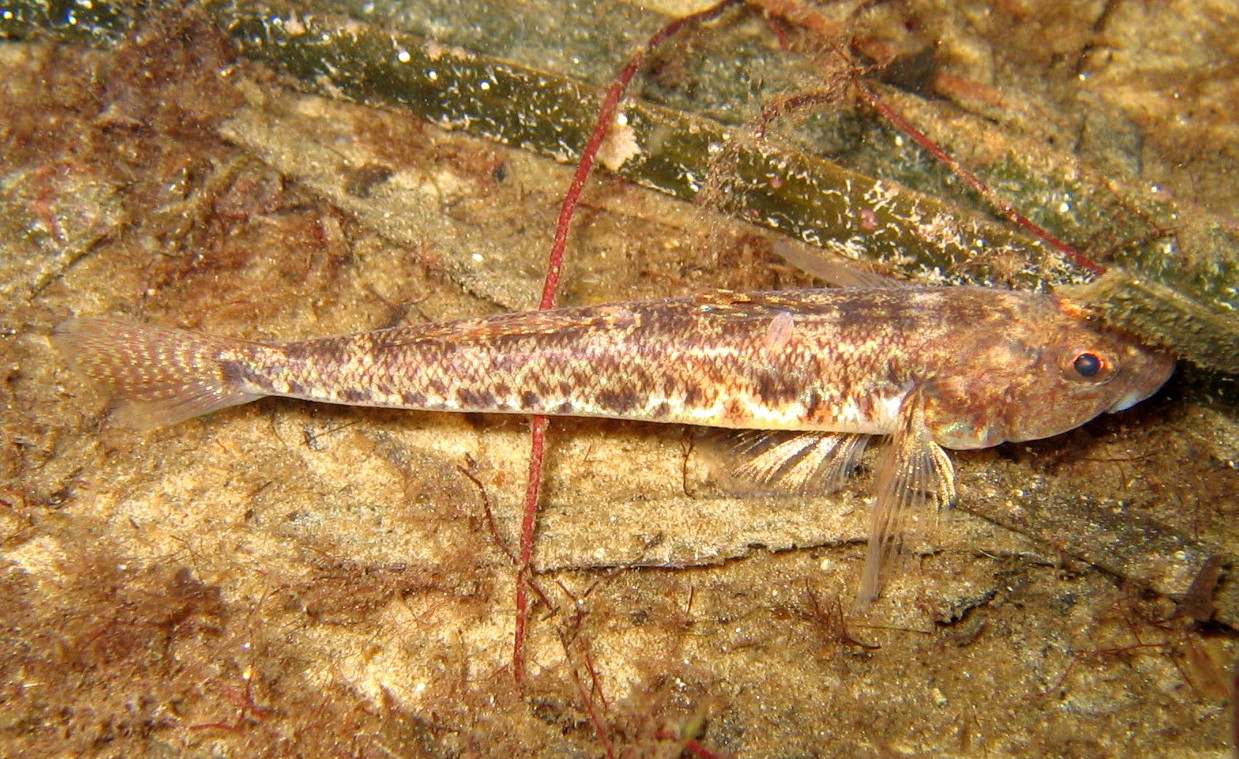
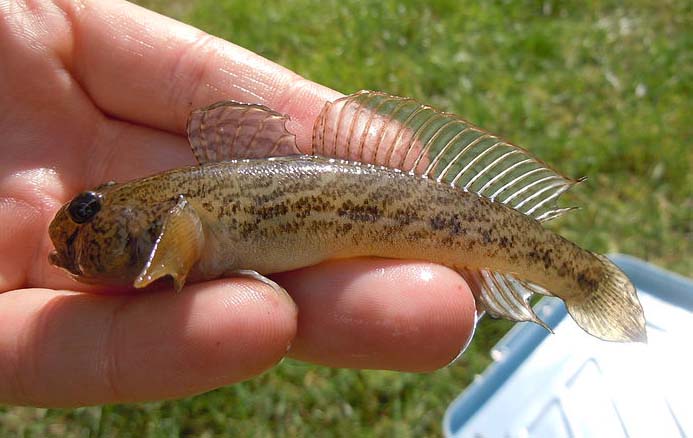
Gobies are typically benthic (bottom-dwelling) with elongated bodies and heads that may be flattened. A distinctive anatomical feature in many species is the fusion of the pelvic fins into a single sucker or disc that allows individuals to cling to rocks, coral, or seafloor substrates. Color, patterning and body shape vary widely: some are cryptically colored to blend with sand or rubble, while others display bright markings used in courtship or territorial displays. Sexual dimorphism and complex mating behaviors occur in several species.
Habitat, behavior and ecology
Gobies occupy a wide range of environments: marine reefs, tide pools, estuaries, and rivers. Many live in burrows they excavate or share, and some form close partnerships with other animals — the well-known shrimp gobies live in mutualistic association with burrowing alpheid shrimps. Other gobies act as cleaners on reefs, removing parasites from larger fishes. Their diets are generally small invertebrates, algae, and detritus, and because of their abundance and small size they are ecologically important as prey for larger commercial and predatory species such as cod, haddock, sea bass and various flatfish.
Human interactions and importance
Although gobies are seldom major targets for large-scale fisheries, they have ecological and economic importance. They are a critical link in coastal food webs and support commercially valuable predators. Several species are popular in the aquarium trade because of their small size and interesting behaviors (for example, burrowing or cleaning activities). Some gobies have become notable invasive species in new regions, where their establishment can alter local ecosystems.
Key traits and notable groups
- Pelvic-sucker: fused pelvic fins forming a suction disc in many species.
- Symbioses: shrimp gobies share burrows with alpheid shrimps and cleaner gobies help remove parasites from larger fish.
- Habitat diversity: found in marine, brackish and freshwater systems worldwide.
- Human relevance: aquarium interest, prey for commercial species, and ecological impact as invasives in some areas.
Overall, gobies represent a diverse and adaptable family whose small size belies an outsized role in coastal and freshwater ecosystems. Their variety of life histories, behaviors and interactions with other organisms make them a frequent subject of ecological and behavioral study.
Related articles
Author
AlegsaOnline.com Goby (Gobiidae): diversity, biology, and ecological role Leandro Alegsa
URL: https://en.alegsaonline.com/art/39370