
GERB — Citizens for European Development of Bulgaria
GERB is a major centre-right political party in Bulgaria, founded in 2006, known for pro-EU stances, liberal-conservative policies, and prominent leadership under Boyko Borisov.

Overview
GERB (an acronym of the Bulgarian name Граждани за Европейско Развитие на България, meaning "Citizens for European Development of Bulgaria") is a major political party in Bulgaria. The party name is a play on words in Bulgarian: the word герб also means "coat of arms", a linguistic detail often noted in descriptions of the movement (coat of arms meaning). Formed in the mid-2000s, GERB presents itself as a centre-right formation with a focus on economic stability, integration with European institutions and administrative reform. It is widely identified as a political party that has alternated between government and opposition roles since its inception.
Image gallery
6 Images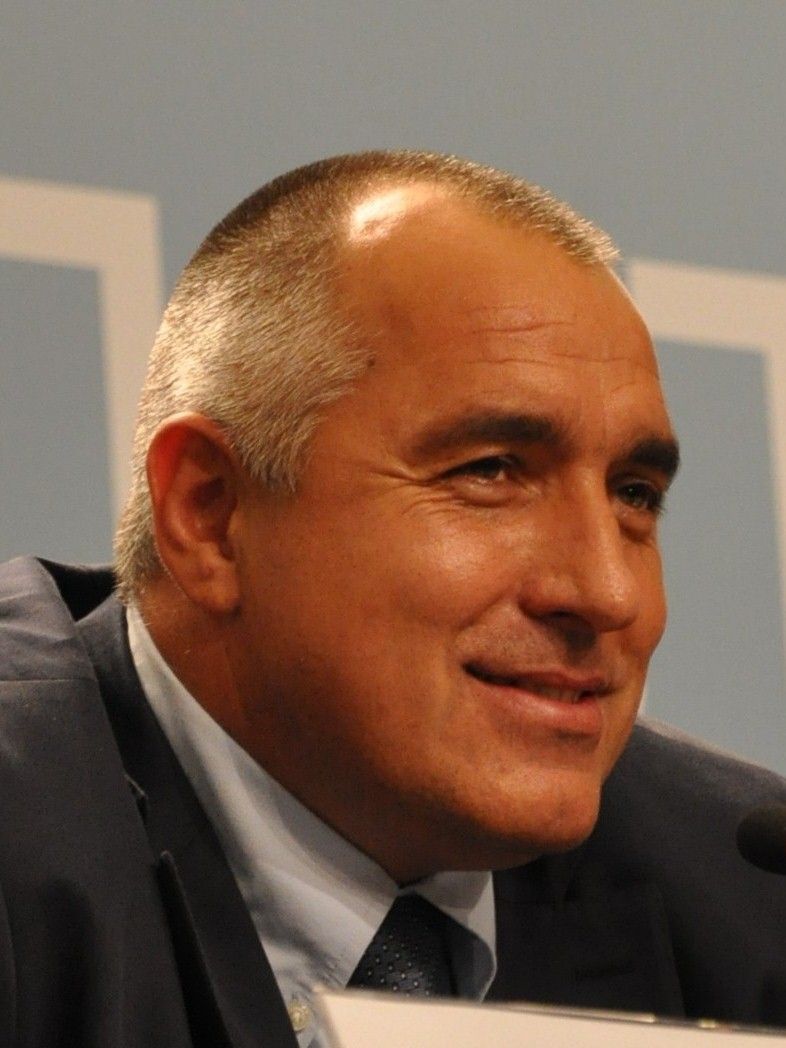


Ideology and platform
GERB is commonly described as a liberal-conservative party that supports market-oriented policies, fiscal discipline, and closer ties with the European Union. Observers also describe elements of populist rhetoric in its campaigns, particularly around law-and-order and anti-elitist messages. The party's stated priorities typically include public administration reform, attracting foreign investment, infrastructure development, and strengthening Bulgaria's position within European institutions.
Structure and leadership
The party grew around a high-profile leader and municipal politician who later served as prime minister. Its most prominent figure has been Boyko Borisov, a founder and long-time leader who has led several GERB-led governments. GERB's internal structure combines a central leadership with local and regional branches, and it has often formed coalitions with smaller parties to secure parliamentary majorities.
History and electoral performance
Established in 2006, GERB rose rapidly to national prominence. Its breakthrough came in the 2009 parliamentary election when it won a large plurality of seats and led the government. Subsequent election cycles have seen the party remain one of Bulgaria's leading political forces. Notable results include the strong showing in 2009 and continued competitiveness in later elections; for example, GERB won a significant share of the vote in 2017 and maintained a major presence in the National Assembly. Key electoral highlights include:
- Rapid national emergence after 2006 foundation
- Major parliamentary victory in 2009
- Persistent role in government or opposition across multiple elections
Role, criticism and public perception
GERB's tenure in power has been associated with administrative reforms and policies aimed at economic stability, but it has also attracted criticism. Opponents and watchdogs have raised concerns about governance issues, transparency and allegations of clientelism; such concerns have been part of broader public debates in Bulgaria about reform and rule of law. Analysts often point to GERB's blend of pro-European orientation and pragmatic, sometimes populist, electoral tactics as key to its longevity.
Significance and comparisons
In the context of Bulgarian politics, GERB occupies a leading centre-right position comparable to other conservative or Christian-democratic parties in Europe. It competes with left-wing, nationalist and reformist groups for influence, and its policy choices have shaped Bulgaria's approach to EU relations, economic policy and public administration. For further context on its positioning and activities, see analyses of party systems and post-communist political development (liberal conservative, populist).
Sources and additional reading can be found via party materials and independent political analyses that track electoral results, coalition formations and governance records.
Questions and answers
Q: What does GERB stand for in Bulgarian?
A: GERB stands for Граждани за Европейско Развитие на България, which means Citizens for European Development of Bulgaria.
Q: Who is the leader of GERB?
A: The leader of GERB is Prime Minister Boyko Borisov.
Q: What is GERB's stance on Bulgaria's membership in the European Union?
A: GERB supports Bulgaria's membership in the European Union.
Q: What political ideology is GERB associated with?
A: GERB is considered a liberal conservative and populist party.
Q: When was GERB created?
A: GERB was created in 2006.
Q: What was GERB's best electoral performance?
A: GERB's best electoral performance was in the 2009 Bulgarian parliamentary election, where they received around 40% of the national vote and won 117 out of 240 seats.
Q: What was GERB's most recent electoral performance?
A: GERB's most recent electoral performance was in the 2017 Bulgarian parliamentary election, where they received 33% of the national vote and won 95 out of 240 seats.
Related articles
Author
AlegsaOnline.com GERB — Citizens for European Development of Bulgaria Leandro Alegsa
URL: https://en.alegsaonline.com/art/38415
Sources
- books.google.com : Routledge Handbook of European Elections
- parties-and-elections.eu : "Bulgaria"
- isac-fund.org : ""European" and "Extreme" Populists in the Same Row – the New Government of the Republic of Bulgaria"
- revistas.ufg.br : "Populism: the Bulgarian case"