
Boyko Borisov
Bulgarian politician, founder of the GERB party, long-serving prime minister and former mayor of Sofia, prominent in Bulgaria's post-communist political landscape.
Overview
Boyko Metodiev Borisov (born 13 June 1959) is a Bulgarian political figure who has served several times as head of government and has been one of the most prominent personalities in Bulgaria since the 2000s. He is best known for leading the centre-right party GERB and for his repeated tenure as prime minister. His public profile combines municipal administration experience with a focus on law-and-order and infrastructure themes.
Image gallery
10 Images


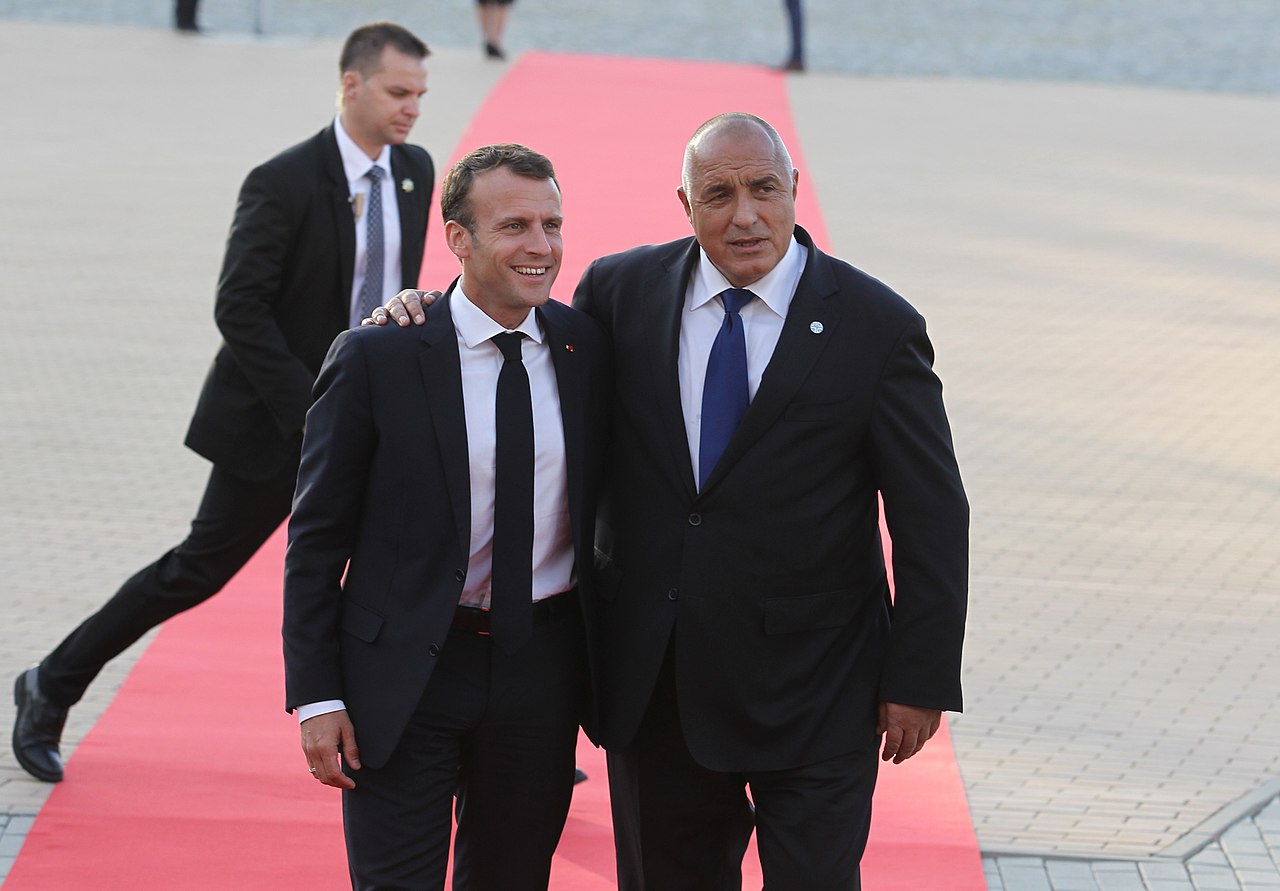
Early career and rise
Borisov made his first national impression through roles in municipal administration and local public safety before entering electoral politics. He served as mayor of the capital city, Sofia, and used that platform to build a political base. He later founded or became the public leader of the party GERB (Citizens for European Development of Bulgaria), which positioned itself as pro-European and pro-reform.
Tenure as prime minister
He has held the office of prime minister of Bulgaria in multiple governments, returning to power after 2009 and leading cabinets that prioritized public order, infrastructure projects and closer ties with European institutions. His administrations pursued investment in roads, energy and urban development while navigating the economic and political challenges of the post-2008 European environment.
Political episodes and controversies
Borisov's time in office included periods of popular support as well as contested moments. He resigned at least once in the wake of large public protests and political crises, and his leadership style and media presence attracted both approval and criticism. In one notable transition he was succeeded for a period by a caretaker prime minister, Marin Raykov, illustrating the frequent volatility of Bulgarian coalition politics.
Roles and significance
- Mayor of Sofia: raised his national profile through city administration and municipal reforms.
- Leader of GERB: established a centre-right electoral force that has been a major player in Bulgarian parliaments and governments.
- Multiple-term prime minister: steered policy debates on infrastructure, EU cooperation and internal security.
Legacy and assessment
Borisov remains a polarizing and consequential actor in Bulgaria's contemporary politics. Supporters credit him with stabilizing government and delivering visible projects; critics point to democratic and transparency concerns that have dogged Bulgarian politics more broadly. His career illustrates the interplay between municipal leadership and national power in post-communist European states, and his name is frequently invoked in discussions of Bulgaria's direction within the European Union.
For further context on institutions and related biographies see general references on Bulgarian politics and recent government histories. Additional information about offices he held and short-term successions can be found in records of Bulgaria's executive appointments and municipal archives.
Related articles
Author
AlegsaOnline.com Boyko Borisov Leandro Alegsa
URL: https://en.alegsaonline.com/art/115492
Sources
- insideworldsoccer.com : "Ex-Bulgarian PM makes professional football debut aged 54"