
Gerrymandering: How Partisan Redistricting Shapes Electoral Representation
Explains how partisan redistricting—through packing, cracking and irregular boundaries—changes electoral representation, how courts and metrics detect it, and reforms aimed at fairer maps.
Gerrymandering is the practice of drawing the boundaries of electoral areas so that the outcome of an election is skewed to benefit a particular political party or group, or to disadvantage their opponents. It typically involves redrawing a district map for legislative or other representative bodies, altering which voters are grouped together for a given voting contest.
Image gallery
10 Images


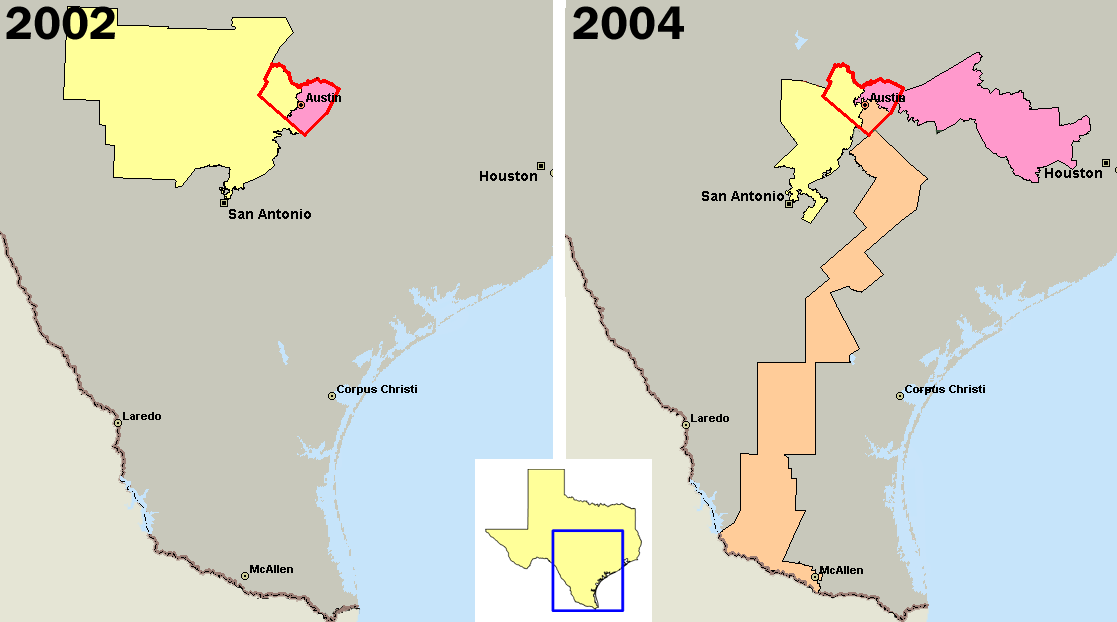
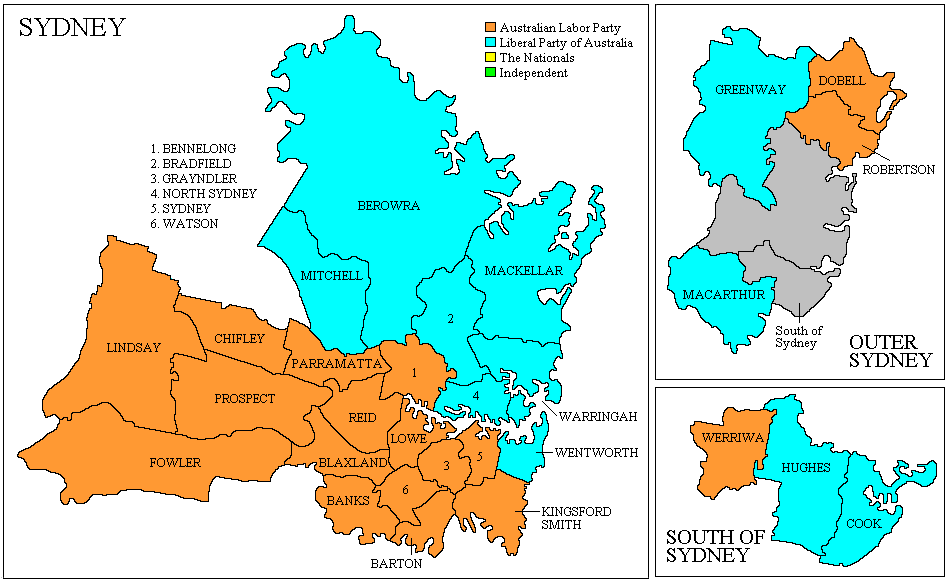


Common techniques
- Packing — concentrating many supporters of the opposing side into a small number of districts so their influence is limited elsewhere.
- Cracking — spreading opponents thinly across many districts so they cannot form a majority in any of them.
- Creating oddly shaped districts that reduce the electoral influence of particular communities, often by combining or dividing neighborhoods along lines that weaken political cohesion.
Origins of the term
The word comes from the name of American politician Elbridge Gerry (1744–1814). In 1812, a Massachusetts redistricting plan signed by Gerry produced a district whose outline commentators said resembled a salamander; the portmanteau “gerrymander” entered political vocabulary to describe similar manipulative maps.
Consequences and concerns
When mapmaking is driven by partisan advantage rather than neutral principles, it can reduce electoral competitiveness, weaken representation for certain groups, and undermine public confidence in democratic processes. Critics argue it can entrench incumbents and make it harder for election results to reflect changes in public opinion.
Detection and reform
A range of approaches exists to identify or limit gerrymandering:
- Quantitative measures such as the efficiency gap, mean–median difference, and various compactness scores seek to detect unusual advantages embedded in district maps.
- Independent redistricting commissions and clear legal standards for boundary drawing aim to remove or reduce partisan influence in map creation.
- Court challenges and legislation at national or state level can mandate remedies when maps are found to violate constitutional or statutory protections, especially where discrimination against protected groups is shown.
Because the specifics of redistricting law and reform vary by country and jurisdiction, efforts to address gerrymandering combine legal action, technical analysis, and public engagement to promote fairer representation.
Related articles
Author
AlegsaOnline.com Gerrymandering: How Partisan Redistricting Shapes Electoral Representation Leandro Alegsa
URL: https://en.alegsaonline.com/art/38525