
Liberal conservatism
A center-right political tradition combining support for free-market economics with an emphasis on social institutions, tradition, and gradual reform.
Overview
Liberal conservatism is a political orientation that blends support for market-oriented economic policy with a commitment to social order, cultural continuity, and established institutions. Advocates typically favor private enterprise, limited state intervention in markets, and fiscal discipline while also valuing tradition, community, and social stability. The label covers a spectrum of positions rather than a single doctrine, and it has shaped many center-right parties and movements across different countries.
Image gallery
2 Images
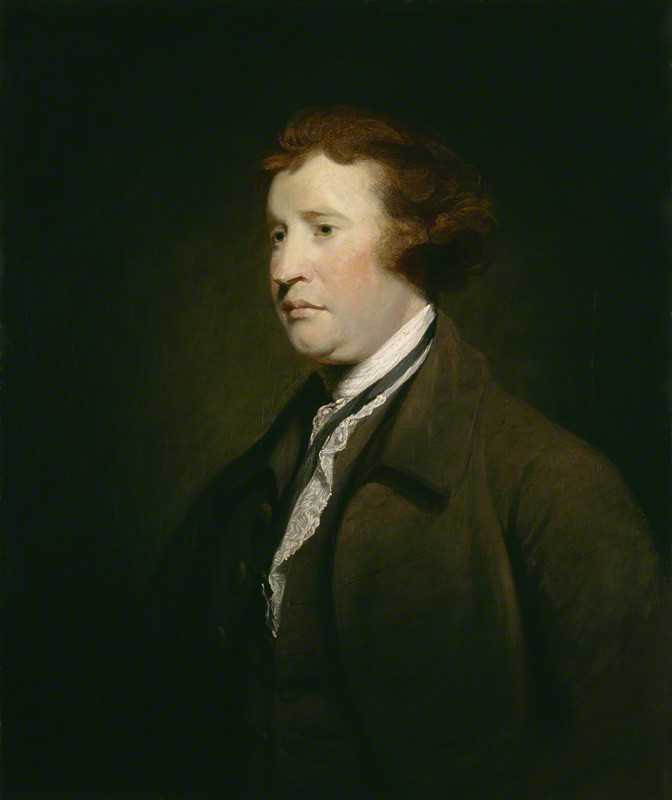
Core characteristics
Key features commonly associated with liberal conservatism include:
- Support for free markets and private property combined with pragmatic economic management.
- Emphasis on preserving social institutions such as the family, religion, and the rule of law.
- Preference for gradual reform over revolutionary change and skepticism about large-scale social engineering.
- A belief in individual responsibility balanced with an acceptance of limited welfare provisions to maintain social cohesion.
History and development
The term has historical roots in 19th- and 20th-century debates where supporters of economic liberalism also sought to uphold traditional hierarchies and cultural norms. Over time it became a broad label for parties and thinkers who attempted to reconcile market-friendly policies with conservative social instincts. In practice, its expression varies by national context: in some countries it emphasizes fiscal austerity and deregulation, while in others it gives greater weight to social conservatism or welfare moderation.
Policy examples and public role
Liberal conservatives often pursue policies such as tax reform to encourage entrepreneurship, reductions in regulatory burdens, and restrained public spending. At the same time they defend institutions that sustain civic order—law enforcement, schools with traditional curricula, and public recognition of historical practices. In electoral politics this orientation tends to attract voters who are economically liberal but socially cautious.
Distinctions and notable contrasts
It is important to distinguish liberal conservatism from related labels. Classical liberalism emphasizes broad individual liberties in both economic and personal spheres, whereas liberal conservatism tempers personal liberalism with a stronger regard for tradition. Similarly, conservative liberalism is used in some contexts to denote a branch of liberalism that takes a conservative turn; the two terms are related but arise from different intellectual roots. For background on the strands that feed into liberal conservatism see conservatism and economic liberalism.
For further reading and comparative perspectives, consult entries and discussions on free market theory, laissez-faire approaches, and the history of classical liberalism, which illuminate the economic side of the synthesis. These resources can help clarify how liberal conservatism positions itself between market freedom and social continuity.
Related articles
Author
AlegsaOnline.com Liberal conservatism Leandro Alegsa
URL: https://en.alegsaonline.com/art/57707