
Ka (Ancient Egyptian concept of the life-force)
Ka: the vital spiritual double in ancient Egyptian thought. A life-force requiring a physical locus and offerings, distinct from the Ba and Akh, central to funerary rituals and royal ideology.
The Ka is a central element in the ancient Egyptian model of the person and the soul. Within Egyptian religious thought the Ka represented a vital life-force or spiritual double that animated a living being; it survived after bodily death as a distinct component of the individual soul and formed a basic category in wider Egyptian religious practice. The Ka was believed to be present from birth, to sustain life, and to leave the body at death unless provided with a suitable dwelling.
Image gallery
6 Images


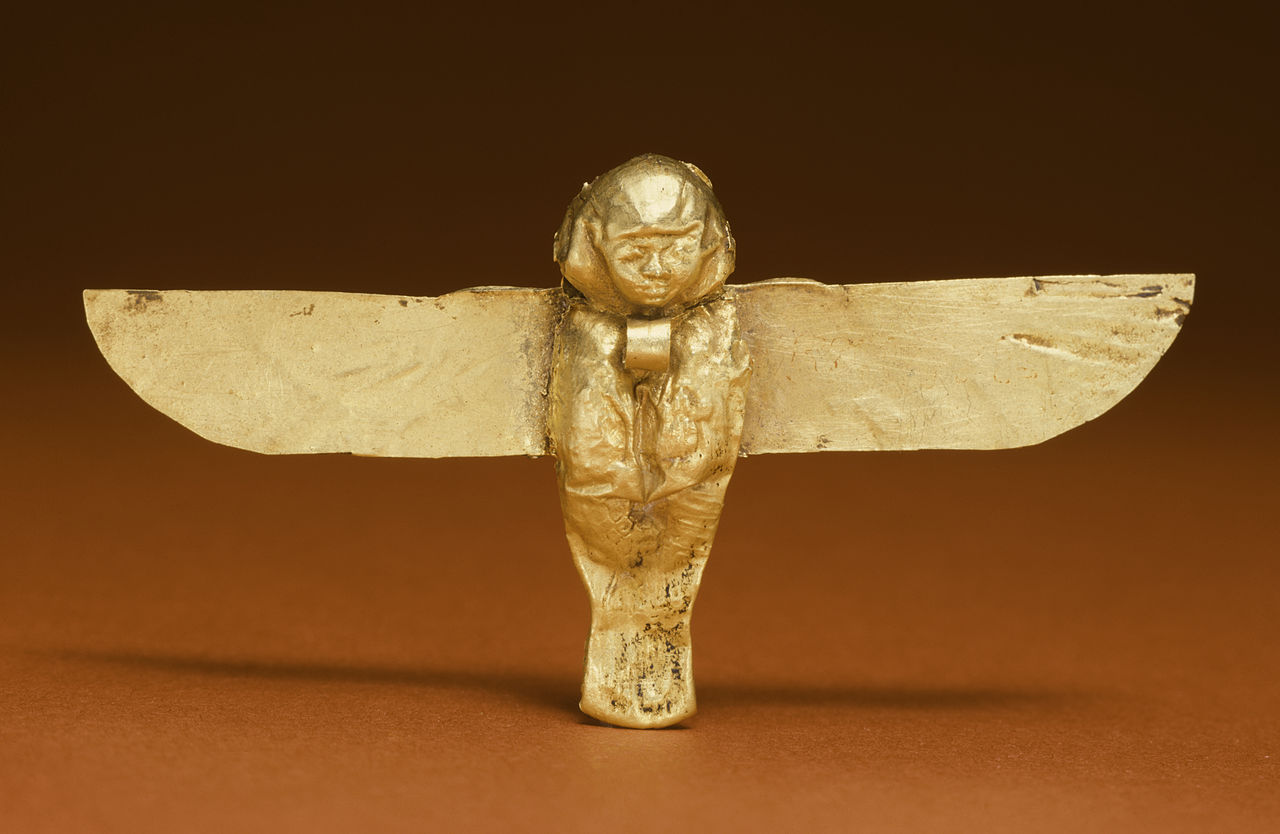


Nature and representation
Egyptians conceived the Ka as an invisible essence closely tied to a person's identity. In art and writing it was often symbolized by a pair of upraised arms; sculpted images or specially carved statues could serve as a receptacle. A functioning Ka required a physical locus—such as the body, a tomb, a statue, or an offering table—so that the deceased could continue to exist and interact with the living world. Tomb inscriptions, funerary equipment, and hieroglyphs emphasize the Ka's role as the active, life-giving half of a person.
Funerary practice and offerings
Maintaining the Ka was a primary concern of Egyptian funerary ritual. Food, drink and other provisions were ritually offered at tombs or placed before a "false door" where the Ka could be imagined as receiving nourishment. Offering lists, tables of provisions and daily cult activity by priests or family members ensured the Ka's sustenance. Mummification, sealing of tombs, and the placement of Ka-statues helped provide a permanent anchor when the physical body decayed.
Relations with other spiritual components
The Ka formed one part of a multipronged Egyptian anthropology that also included the Ba, the Ren (name), the Shuyet or shadow, and the Ib (heart). In many sources the Ba represents personality and mobility, while the Ka is the vital double that needs offerings; together they could combine in the afterlife. Some traditions describe a reunion or linking of Ba and Ka by deities such as the serpent Nehebkau as the spirit moved toward the netherworld or Duat. The Akh denotes a different transformed, effective state achieved under certain ritual or moral conditions.
- Royal and divine aspects: Pharaohs were said to possess powerful royal Ka-forces, and gods themselves were described as having a ka-like essence.
- Material supports: statues, offering tables and tomb architecture acted as focal points for sustaining the Ka.
- Social function: provisions for the Ka linked living relatives with ancestors and supported continuity and protection.
Archaeological evidence—offering tables, tomb texts, and funerary statuary—shows how central the Ka was to daily ritual and long-term burial strategy. Modern scholarship treats the Ka as a flexible concept whose precise meaning varied across periods and contexts, but it remains essential for understanding ancient Egyptian attitudes toward life, identity, and the necessities of the afterlife. For introductory resources on the wider Egyptian conception of the soul and ritual practice see materials on Egyptian religion and linked treatments of the soul's parts.
Related articles
Author
AlegsaOnline.com Ka (Ancient Egyptian concept of the life-force) Leandro Alegsa
URL: https://en.alegsaonline.com/art/51833