
Gepids: an East Germanic people and their kingdom
The Gepids were an East Germanic people who established a kingdom in the central Danube region after the fall of Hunnic power in the 5th century CE. Their polity occupied parts of modern Romania, Hungary and Serbia.
The Gepids were an East Germanic group active in the late Roman and early medieval periods. They are best known for breaking free from Hunnic dominance in the mid-5th century and for founding a kingdom in the central Danube basin. Contemporary accounts are limited and often come from Roman and Byzantine writers, so much of what is known combines written sources with archaeological evidence.
Image gallery
8 Images




Origins and identity
Classified with the East Germanic peoples, the Gepids are sometimes discussed alongside the Goths and other tribes that migrated through the late Roman world. Their language belonged to the now-extinct East Germanic branch. Ethnonyms like "Gepid" appear in late antique chronicles, but scholars emphasize that the group's boundaries, composition and early movements remain incompletely documented.
Territory and settlements
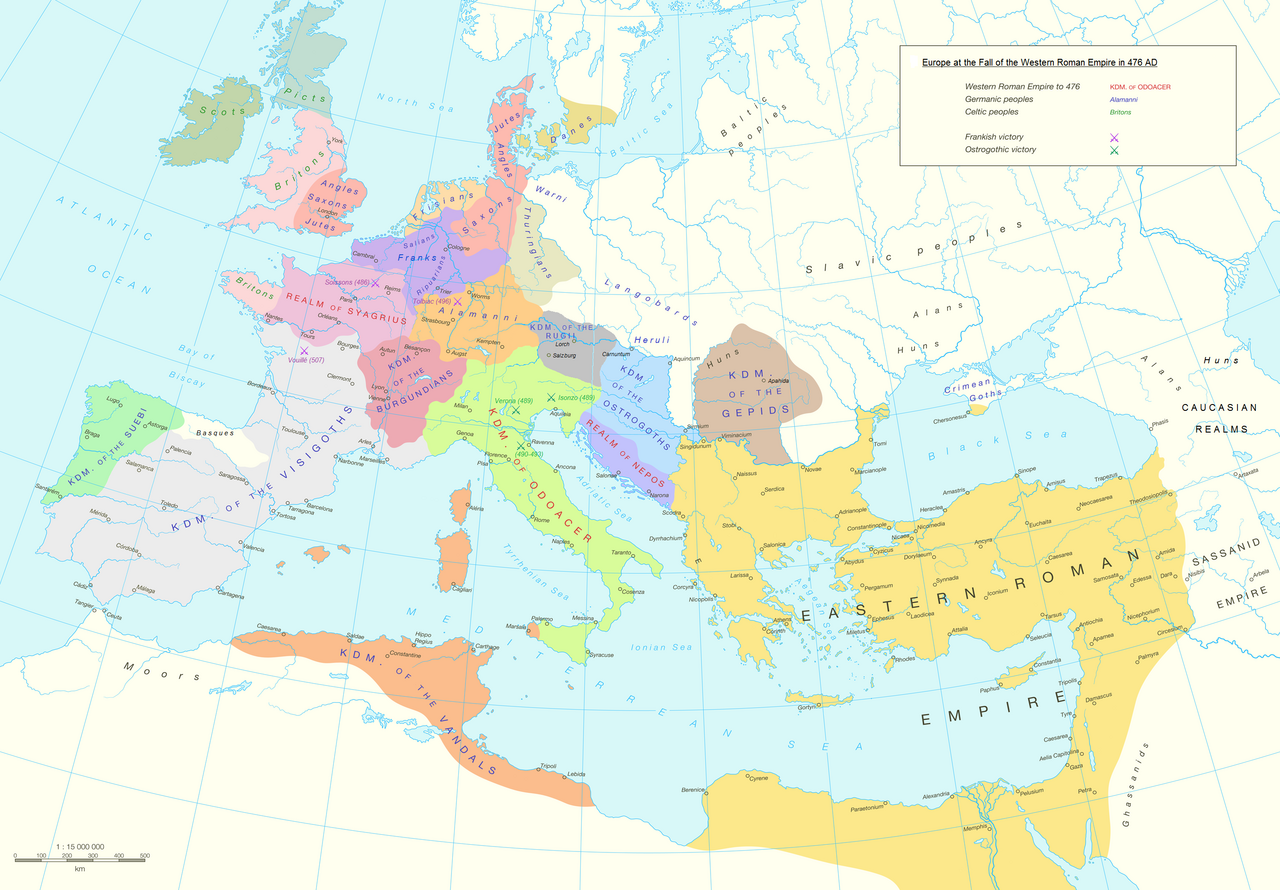
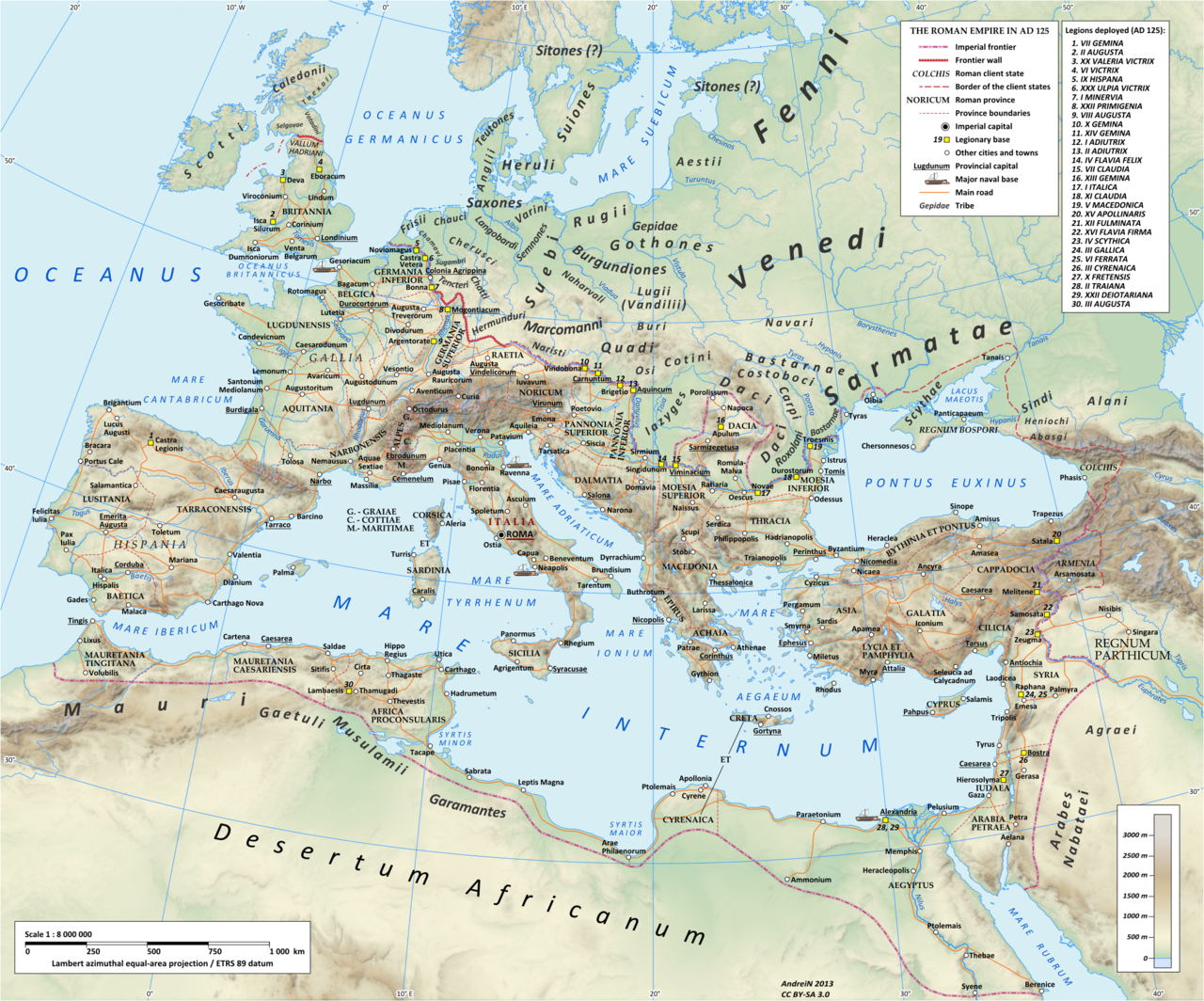
After the collapse of Hunnic hegemony the Gepids established a territorial centre often called Gepidia or the Kingdom of the Gepids. This realm lay in the Pannonian and Carpathian regions and included areas that correspond to parts of modern Romania, Hungary and Serbia. Archaeology shows fortified settlements and rich burial sites that reflect a society adapting Roman material culture alongside Germanic traditions.
Society, material culture and religion
Evidence from graves and hoards indicates social stratification, with warrior elites buried with weapons and high-status ornaments. Metalwork, jewelry and horse trappings are distinctive features of Gepidic finds. Like many East Germanic groups, they were probably influenced by Arian Christianity through contact with other Germanic peoples and the late Roman world, though religious practices likely varied across communities.
History and decline
Under leaders such as Ardaric the Gepids played a decisive role in the defeat of Hunnic power at the mid-5th century conflict often associated with the rebellion of subject peoples. This victory allowed the Gepids to consolidate control in the Danube region. During the 6th century their kingdom at times interacted with the Byzantine Empire and rival barbarian kingdoms. In 567 a coalition of Lombards and Avars overwhelmed the Gepid polity; many Gepids were displaced, absorbed by neighbouring populations, or migrated elsewhere.
Legacy and study
The Gepids left a tangible archaeological footprint—grave goods, hoards and settlement traces—that inform understanding of migration-era Europe. Discoveries such as richly furnished burials in Transylvania have been attributed to Gepidic elites and are studied in museums and specialist literature. Modern scholarship treats the Gepids as a regional power of the 5th–6th centuries whose story illustrates the transformations of the post-Roman frontier and the emergence of medieval Europe. For broader context see sources on the Huns and late antique migrations, and archaeological reports from the Danube-Carpathian area.
- Key event: revolt against Hunnic domination and subsequent independence (Huns).
- Geographic core: Danube and Carpathian zones overlapping modern states.
- Historiography: known from late Roman/Byzantine authors and archaeological finds.
Related articles
Author
AlegsaOnline.com Gepids: an East Germanic people and their kingdom Leandro Alegsa
URL: https://en.alegsaonline.com/art/38379
Sources
- ucalgary.ca : XII.74