
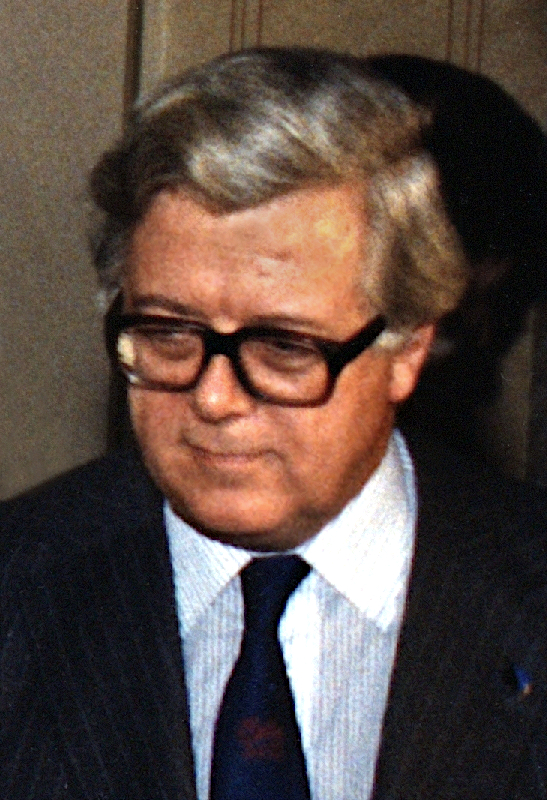
Geoffrey Howe, British Conservative statesman and former Chancellor and Foreign Secretary
Profile of Richard Edward Geoffrey Howe, Baron Howe of Aberavon (1926–2015): lawyer, long-serving Conservative MP and senior cabinet minister under Margaret Thatcher, and his political legacy.
Overview
Richard Edward Geoffrey Howe, Baron Howe of Aberavon (20 December 1926 – 9 October 2015), was a prominent British Conservative politician and lawyer who served in senior cabinet positions across the 1970s and 1980s. Known for his measured style, legal background and long parliamentary career, Howe played a central role in economic and foreign policy debates during the government of Margaret Thatcher and later sat in the House of Lords as a life peer. For basic honours and biographical records see honours and appointments.
Image gallery
8 Images



Early life and legal career
Howe was born in Port Talbot, Wales, and educated at Trinity Hall, Cambridge, where he read law. After training and practice as a barrister he gained recognition as a lawyer before entering parliamentary politics. His legal formation informed his reputation for careful, procedural argument and a preference for compromise in complex negotiations. For regional background see Port Talbot and for university context see Trinity Hall.
Parliamentary service and cabinet roles
Howe served as a Member of Parliament for three different constituencies across his career: Bebington (1964–1966), Reigate (1970–1974) and East Surrey (1974–1992). He entered cabinet ranks and held several key offices. Major posts included:
- Chancellor of the Exchequer (1979–1983) — he oversaw fiscal policy early in the Thatcher premiership during a period of economic reform and rising unemployment;
- Foreign Secretary (1983–1989) — he managed Britain's international relations through events such as the latter stages of the Cold War and changing European dynamics.
These roles placed him at the centre of debates on monetary policy, public spending and Britain’s relationship with Europe. For context on the Conservative Party and government of the period see Conservative Party and Chancellor’s office.
Resignation, peerage and later life
Howe resigned from frontline ministerial office in 1989, a departure that was widely noted for its political impact and the content of his resignation speech, which highlighted differences within the governing party on Europe and leadership. He left the House of Commons in 1992 and was created a life peer, taking a seat in the House of Lords as Baron Howe of Aberavon. Information on life peerages and the Lords is available at peerage records and on parliamentary membership at parliamentary history.
Personal life and legacy
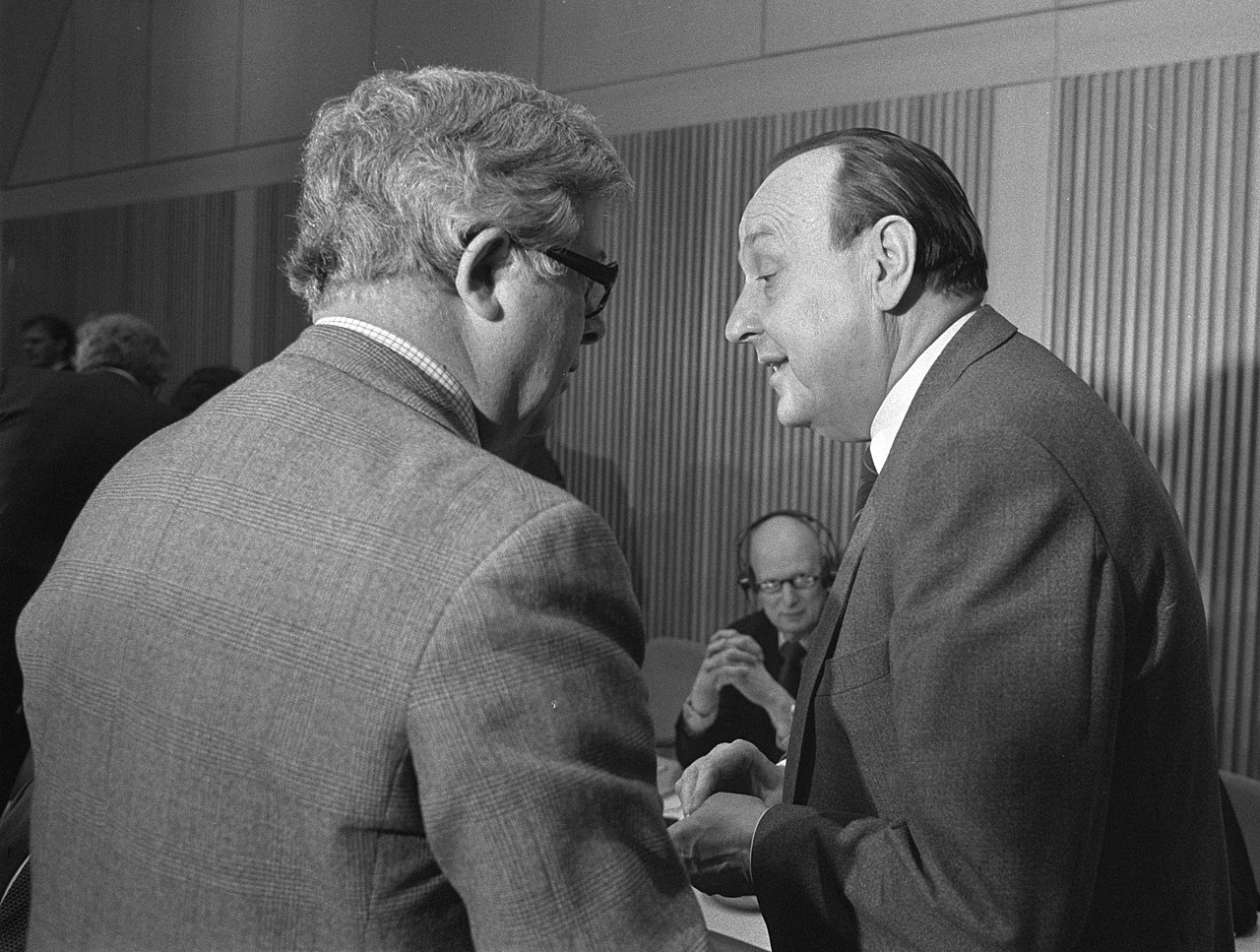
Howe married Elspeth Howe in 1953; their partnership and his personal friendships across party lines—most notably with Labour politician Denis Healey—were often remarked on in accounts of his temperament and approach to politics. He was appointed Queen’s Counsel and was a member of the Privy Council, reflecting his legal standing and senior governmental role. See references to his family and honours at legal career, British biography and contemporaries.
Death and assessment
Howe died aged 88 of a heart attack in Warwickshire in October 2015. His career is remembered for a combination of steady administrative skill, effective management of complex portfolios and a lasting influence on debates about Britain’s economic policy and relationship with Europe. Further reading on his foreign policy years and economic stewardship can be found through archives and collections at foreign office records, Welsh archives, and institutional summaries at regional records and national registers. For broader context on his parliamentary constituencies and electoral history see local records and academic profiles.
Selected themes and distinctions
- Reputation for legalism and procedural clarity rather than rhetorical flamboyance.
- Key participant in late-20th-century Conservative policymaking on economics and foreign relations.
- Known for cross-party collegiality and long-term public service that extended into the House of Lords.
Related articles
Author
AlegsaOnline.com Geoffrey Howe, British Conservative statesman and former Chancellor and Foreign Secretary Leandro Alegsa
URL: https://en.alegsaonline.com/art/38111