
Gastroenterology: study and care of the digestive system
Medical specialty focused on the digestive system and its disorders, including organs from mouth to anus, common diseases, diagnostics, treatments, training, and public-health roles.
Overview
Gastroenterology is a branch of medicine concerned with the structure, function and diseases of the digestive tract and its accessory organs. As a medical specialty, it addresses conditions that affect eating, digestion, nutrient absorption and waste elimination. Practitioners who specialize in this field are known as gastroenterologists, and they work in outpatient clinics, hospitals and endoscopy units.
Image gallery
3 Images
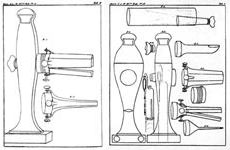

Organs and common conditions
The gastrointestinal tract extends from the mouth to the anus and includes the esophagus, stomach, small and large intestines, liver, pancreas and gallbladder. Common clinical problems seen by specialists include reflux and heartburn, inflammatory bowel diseases, irritable bowel syndrome, peptic ulcer disease, pancreatitis and disorders of the liver and biliary system. A concise list of typical categories:
- Upper tract issues: esophagus and stomach disorders
- Small and large bowel: inflammatory, functional and neoplastic conditions
- Hepatobiliary and pancreatic disease
Diagnosis and treatment
Diagnosis relies on history and physical examination supported by laboratory testing, imaging and direct visualization. Endoscopic techniques such as gastroscopy and colonoscopy allow inspection, biopsy and many therapeutic interventions. Other tools include ultrasound, CT and MRI, stool studies and blood tests. Management ranges from lifestyle and diet changes, medications and endoscopic procedures to coordinated care with surgeons when needed. Many interventions aim to relieve symptoms, treat inflammation or remove precancerous lesions.
Training and history
Gastroenterology developed as a distinct discipline from general internal medicine as technologies for visualizing and treating the gut advanced. Training typically follows internal medicine training and involves a subspecialty fellowship that emphasizes diagnostic endoscopy, interpretation of tests and longitudinal care of chronic digestive diseases. The specialty has evolved with improvements in endoscopic tools, imaging and understanding of gut physiology and the microbiome.
Importance and distinctions
Gastroenterology plays a central role in preventive health—screening procedures can detect early disease—and in managing conditions that significantly affect quality of life. It overlaps with related fields such as hepatology and colorectal surgery but remains focused on medical diagnosis and endoscopic therapy. For more general resources see patient information and professional guidelines at relevant organizations (clinical guidance, training bodies).
Related articles
Author
AlegsaOnline.com Gastroenterology: study and care of the digestive system Leandro Alegsa
URL: https://en.alegsaonline.com/art/37697