
Gastroesophageal reflux disease (GERD): causes, symptoms, diagnosis, and treatment
GERD is chronic reflux of stomach contents into the esophagus causing heartburn and other symptoms. This article covers causes, symptoms, diagnosis, treatment options, complications and prevention.
Gastroesophageal reflux disease (GERD) is a chronic condition in which stomach contents move backward from the stomach into the tube that connects the mouth and stomach, the esophagus. The hallmark symptom is a burning sensation known as heartburn, a symptom that is distinct from pain arising in the heart. Occasional reflux after a meal is common; GERD refers to frequent or severe reflux that causes symptoms, mucosal injury, or complications affecting quality of life.
Image gallery
5 Images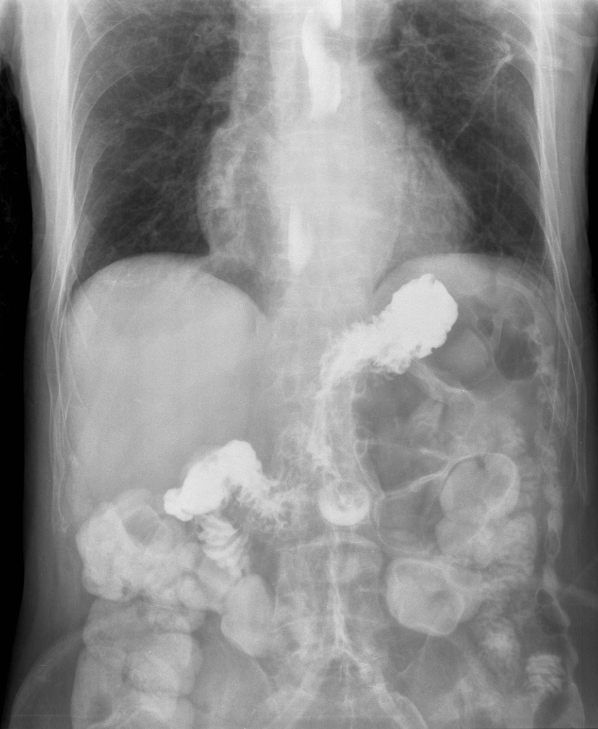

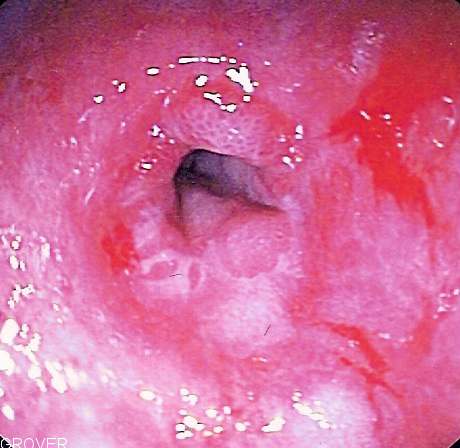
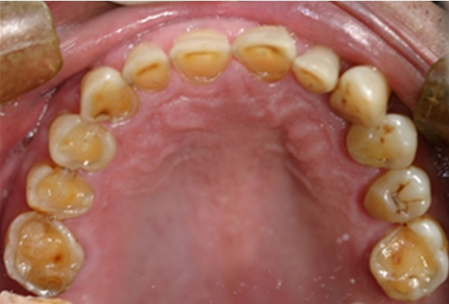
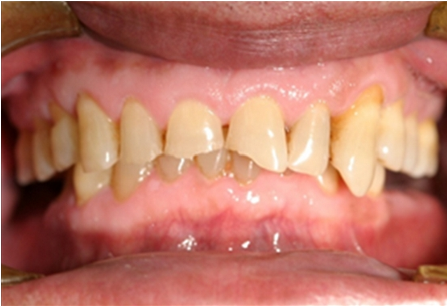
Common symptoms
- Typical: heartburn, acid regurgitation, chest discomfort, belching.
- Atypical: chronic cough, hoarseness, throat clearing, asthma-like symptoms, dental erosion.
- Alarm features: difficulty swallowing, unexplained weight loss, gastrointestinal bleeding — these require urgent evaluation.
Causes and physiology
GERD results from abnormal reflux of gastric contents because of weakened function of the lower esophageal sphincter, transient sphincter relaxations, hiatal hernia, obesity, or increased abdominal pressure (for example during pregnancy). Acid and digestive enzymes irritate and inflame the esophageal lining; in chronic cases the tissue can change in response to repeated injury.
Diagnosis and evaluation
Diagnosis often begins with a clinical history and response to therapy. When confirmation is needed, tests include upper endoscopy to visualize inflammation and complications, ambulatory pH or impedance monitoring to document acid exposure, and esophageal manometry to assess motility. These tests help distinguish GERD from other causes of chest or throat symptoms.
Treatment and management
Management combines lifestyle changes, medication, and sometimes procedures. Lifestyle measures include weight loss, elevating the head of the bed, avoiding late meals, and limiting foods or drugs that provoke reflux. Medications used to reduce acid and promote healing include antacids, H2-receptor blockers, and proton pump inhibitors (PPIs). For persistent or complicated disease, surgical options such as fundoplication or endoscopic therapies may be considered after careful evaluation.
Complications, importance, and historical notes
Untreated GERD can cause esophagitis, strictures, bleeding, and a predisposition to a precancerous change called Barrett's esophagus. The condition is common worldwide and has substantial effects on sleep, work performance, and general well-being. Medical understanding has progressed from simple antacids to targeted acid suppression and refined surgical techniques; diagnosis and therapy are individualized to balance symptom control, long-term risks, and patient preferences.
Related articles
Author
AlegsaOnline.com Gastroesophageal reflux disease (GERD): causes, symptoms, diagnosis, and treatment Leandro Alegsa
URL: https://en.alegsaonline.com/art/37698
Sources
- ncbi.nlm.nih.gov : "Gastroesophageal reflux disease ... GERD,"
- webmd.com : "Heartburn and Gastroesophageal Reflux Disease (GERD)"