
Gabriele d'Annunzio: Italian poet, novelist and political figure
Gabriele d'Annunzio (1863–1938) was an Italian writer, poet and dramatist whose aestheticism, nationalist activism and the Fiume episode made him a controversial cultural figure.
Overview
Gabriele d'Annunzio (12 March 1863 – 1 March 1938) was an Italian writer, poet, playwright and journalist. Celebrated for a rich and sensuous literary style and for a flamboyant public persona, he became one of Italy's most famous cultural figures around the turn of the 20th century. He was widely known by the epithets Il Vate (the Poet) and Il Profeta (the Prophet).
Image gallery
10 Images





Early life and literary career
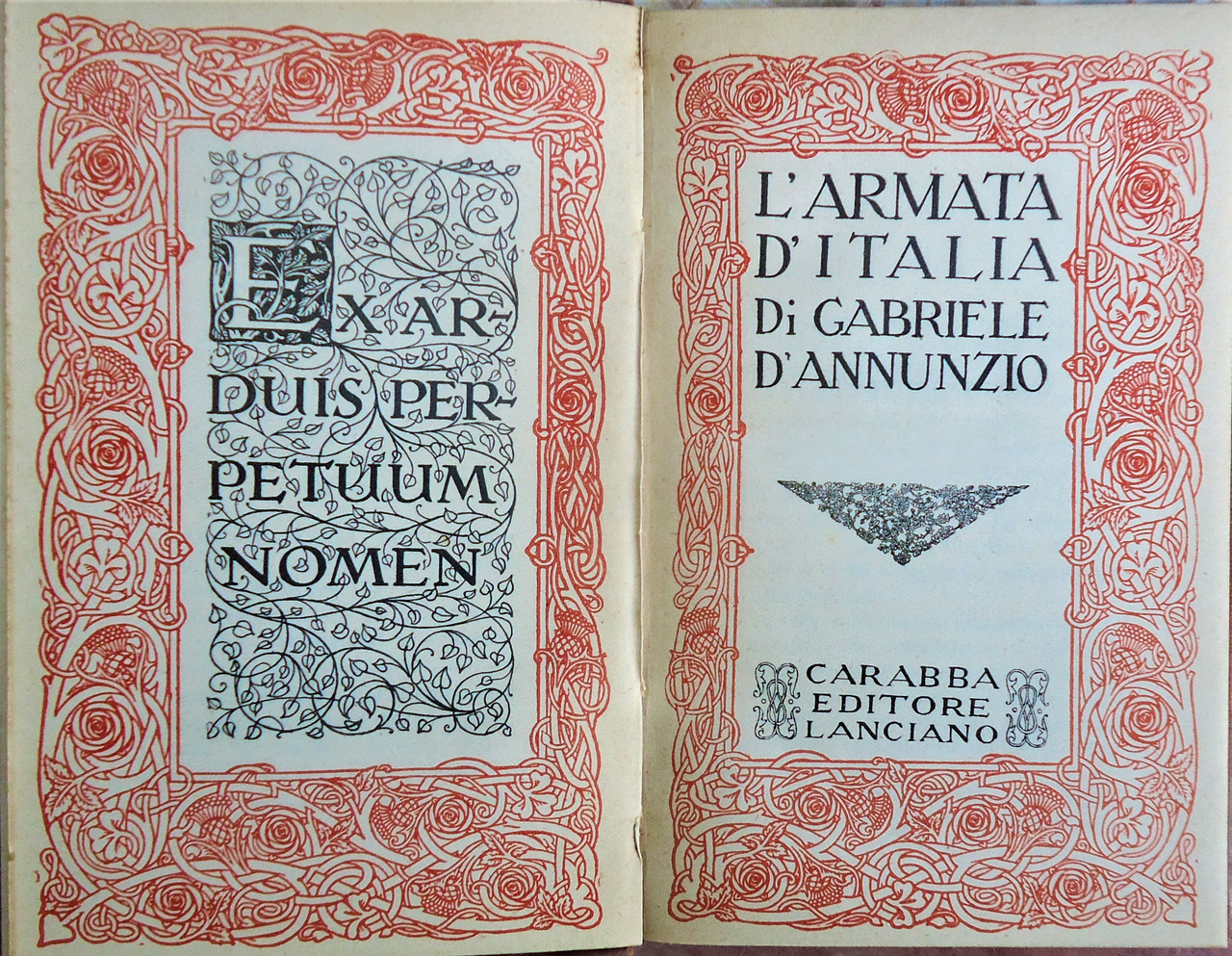
Born into a prosperous family in the Abruzzo region, d'Annunzio began publishing poetry and journalism at a young age and quickly established a reputation for ornate language and daring subject matter. His output encompassed lyric poetry, prose fiction and dramatic works intended for striking stage presentation. He engaged with the Decadent and Symbolist currents of European literature, exploring themes of beauty, sensation, individual will and moral transgression.
Style and major works
Critics have emphasized d'Annunzio's musical use of language, attention to sensory detail and cultivation of mythic imagery. His novels and plays aimed to combine aesthetic intensity with psychological exploration. His work influenced contemporary theatre and helped popularize an idea of the artist as an exalted, authoritarian personality; this image contributed to both his fame and controversy.
War, politics and the Fiume episode
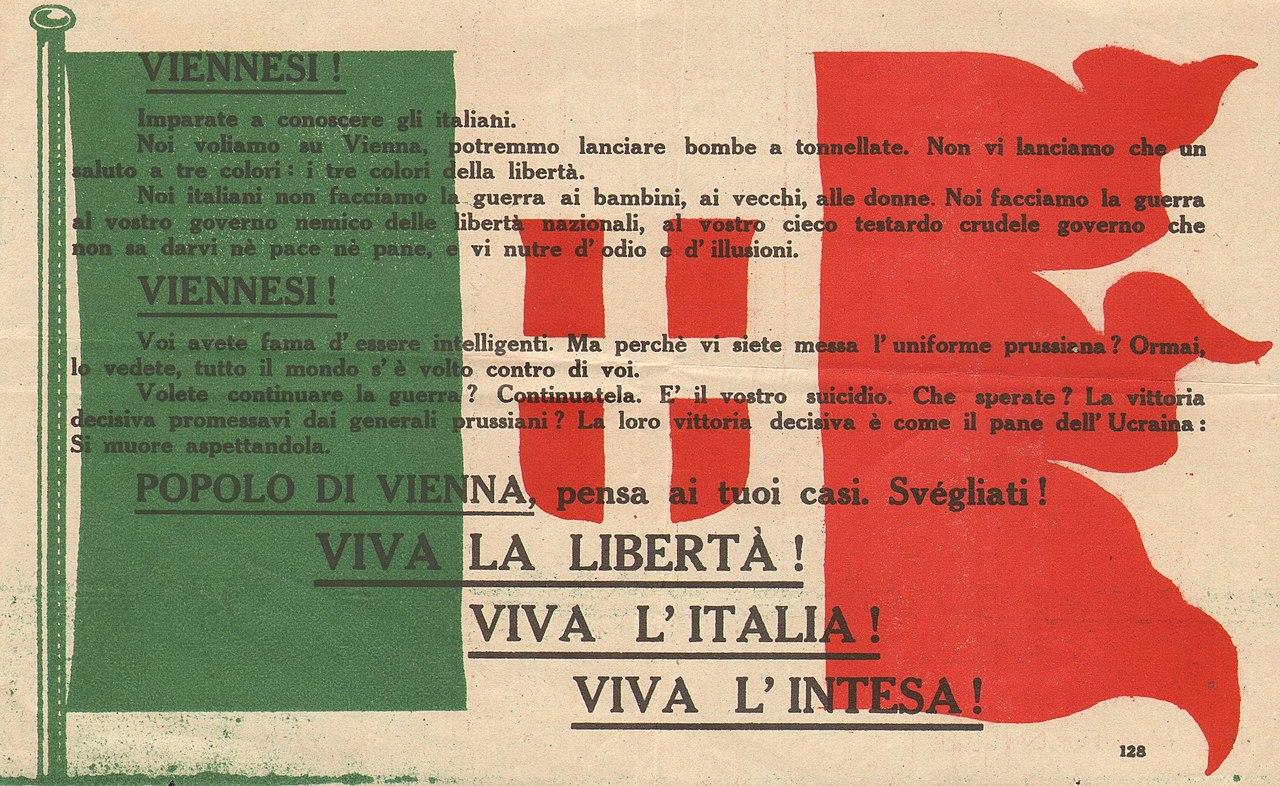
During World War I d'Annunzio volunteered as an aviator and engaged in patriotic propaganda. In 1919 he led an occupation of the Adriatic port of Fiume (now Rijeka), proclaiming a short-lived regency that mixed theatrical ritual, nationalist rhetoric and radical experimentation in political symbolism. The Fiume venture attracted wide attention across Europe and anticipates some elements of 20th-century mass politics and spectacle.
Political significance and controversies
d'Annunzio's politics combined elitist nationalism, cults of personality and theatrical public displays. Elements of his rhetoric and ceremonial practice were admired by Italian fascists, but his relationship with the Fascist movement was neither straightforward nor unambiguous. Modern scholars debate the ethical implications of his aesthetic doctrines and their intersections with authoritarian and militaristic tendencies.
Legacy and places
His lakeside estate at Gardone Riviera, Il Vittoriale degli Italiani, survives as a museum and memorial that preserves his manuscripts, furnishings and a distinctive built environment. D'Annunzio's influence extends into literature, theatre and political iconography; readers and scholars continue to reassess his artistic achievements in light of his public actions.
Selected works and further reading
- Collections of lyric poetry that illustrate his early symbolic vision.
- Novels that fuse aestheticism with psychological and social themes.
- Plays intended for elaborate staging and public spectacle.
For general overviews and bibliographies see general resources, and for additional biographical material consult sites with UK or US perspectives at UK-focused resources and US-focused resources.
Questions and answers
Q: Who was Gabriele d'Annunzio?
A: Gabriele d'Annunzio was an Italian writer, poet, journalist, and playwright.
Q: Was Gabriele d'Annunzio associated with any artistic movement?
A: Yes, Gabriele d'Annunzio was associated with the Decadent movement.
Q: What were Gabriele d'Annunzio's nicknames?
A: Gabriele d'Annunzio's nicknames were "Il Vate" (The Poet) and "Il Profeta" (The Prophet).
Q: When was Gabriele d'Annunzio born and when did he die?
A: Gabriele d'Annunzio was born on March 12, 1863, and he died on March 1, 1938.
Q: What were some of the professions that Gabriele d'Annunzio worked in?
A: Gabriele d'Annunzio worked as a writer, poet, journalist, and playwright.
Q: Did Gabriele d'Annunzio receive any honours during his lifetime?
A: Yes, Gabriele d'Annunzio received honours such as the Prince of Montenevoso, OMS CMG, and MVM.
Q: How is Gabriele d'Annunzio's name sometimes written?
A: Gabriele d'Annunzio's name is sometimes written as d'Annunzio.
Related articles
Author
AlegsaOnline.com Gabriele d'Annunzio: Italian poet, novelist and political figure Leandro Alegsa
URL: https://en.alegsaonline.com/art/37169