
Amyloplast — the starch‑storing plastid in plants
Amyloplasts are non‑pigmented plastids in plant cells that synthesize and store starch, contribute to gravity sensing in roots, and are important in seeds, tubers, and food industries.
Overview: An amyloplast is a type of plastid found in many plant cells dedicated to the synthesis and storage of starch. As a specialized organelle it is a member of the plastid family (plastid) and typically occurs in non‑photosynthetic tissues of a plant cell, such as the cells of roots, seeds, tubers and some fruits.
Image gallery
1 Image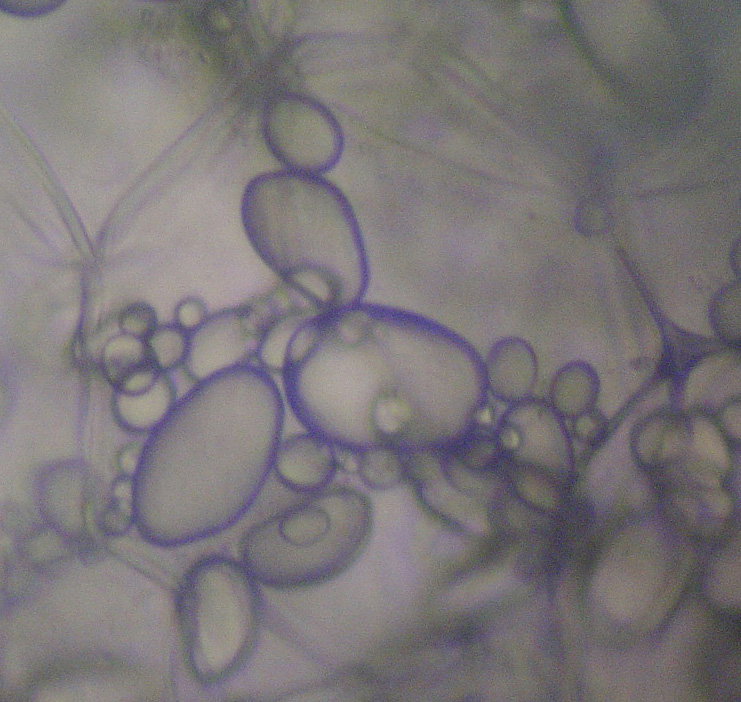
Structure and characteristics
Amyloplasts are membrane‑bound organelles that contain a stroma and one or more dense starch granules produced by enzymatic polymerization of glucose. They are generally colorless (non‑pigmented), placing them in the broader leucoplast category. Inside, enzymes such as starch synthases and branching enzymes assemble and remodel starch; the stored carbohydrate can form a visibly layered grain under microscopy.
Development and plasticity
Amyloplasts develop from undifferentiated proplastids and can change identity depending on cellular signals. When exposed to light and chloroplast‑inducing cues, certain amyloplasts can convert into chloroplasts. This plastid interconversion illustrates the flexible developmental pathways that underlie plant organelle differentiation.
Functions and importance
Primary roles of amyloplasts include:
- Long‑term storage of starch in sink tissues such as tubers and storage roots.
- Provision of metabolic substrate during germination and growth in seeds and storage organs.
- Acting as statoliths in root cap cells to aid gravity sensing and direct root growth.
They are abundant in crop tissues used for human and animal nutrition, and their starch is a major raw material for many food and industrial processes.
Uses, visualization and distinctions
Amyloplasts are routinely identified in the laboratory by staining (for example with iodine, which turns starch a dark color) and by electron microscopy. They differ from chloroplasts (which contain pigments and perform photosynthesis) and from other leucoplast subtypes such as elaioplasts (lipid storage) and proteinoplasts (protein storage). In horticulture and plant science, understanding amyloplast behavior helps improve storage crop quality and manage traits linked to starch composition in seeds, fruits, and tubers.
Researchers continue to examine amyloplast biogenesis, starch metabolism pathways, and their role in plant development and stress responses, because these organelles sit at the intersection of basic cell biology and applied agriculture.
Tags
Related articles
Author
AlegsaOnline.com Amyloplast — the starch‑storing plastid in plants Leandro Alegsa
URL: https://en.alegsaonline.com/art/3705