
Anabolism: Biological Synthesis and Metabolic Building Processes
Anabolism comprises the energy‑consuming metabolic pathways that construct complex molecules from simpler ones, supporting growth, repair, storage, and cellular structure in all living organisms.
Overview
Anabolism is the collection of metabolic processes that assemble larger molecules from smaller precursors. These biosynthetic pathways consume energy—commonly in the form of ATP—and use reducing power such as NADPH to drive endergonic reactions. Anabolic activity underpins growth, tissue repair, and the formation of cellular structures in bacteria, plants, and animals. For a general introduction, see metabolic pathways overview.
Image gallery
3 Images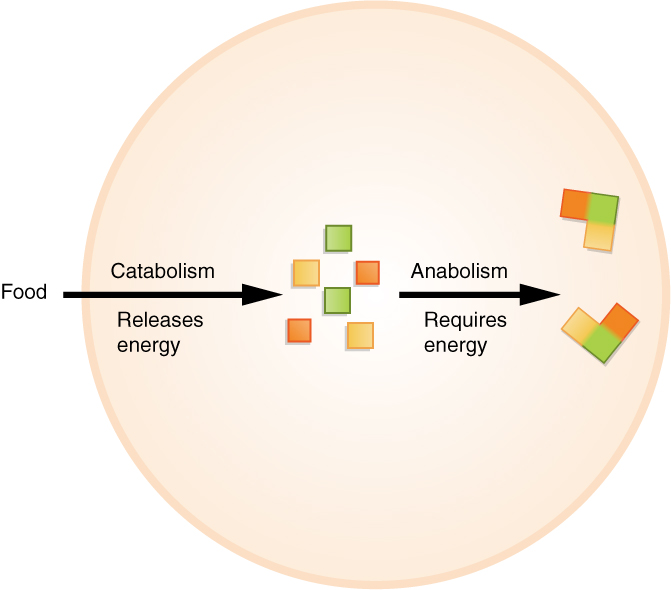


Main components and pathways
Anabolic pathways rely on enzymes to catalyze bond formation and on a supply of simple building blocks. Common substrates include amino acids, monosaccharides, fatty acyl units, and nucleotides. Typical anabolic processes include:
- Protein synthesis (polypeptide assembly from amino acids)
- Glycogen and starch synthesis (polymerization of glucose)
- Fatty acid and triglyceride synthesis
- DNA and RNA synthesis (nucleotide polymerization)
- Photosynthesis in plants (CO₂ fixation into sugars)
Further reading on specific pathways is available at pathway resources and biochemical reaction lists.
Regulation and physiological roles
Anabolic and catabolic processes are tightly regulated to maintain cellular homeostasis. Hormones such as insulin generally promote anabolic activity by increasing nutrient uptake and activating enzymes involved in synthesis, whereas other signals stimulate breakdown for energy. Cells also regulate anabolism by controlling gene expression, enzyme activity, and the availability of cofactors like ATP and NADPH. For regulatory mechanisms, see metabolic regulation.
Applications, examples, and notable facts
Understanding anabolism is important in medicine, agriculture, and biotechnology. For example, manipulating anabolic routes can improve biomass production in crops or enhance synthesis of pharmaceuticals in engineered microbes. The term "anabolic steroid" refers to synthetic hormones that boost protein synthesis and muscle growth, and they affect anabolic processes but are not enzymes. For applied perspectives, consult applications and ethics.
Distinctions
Key distinctions include the contrast with catabolism (breakdown of molecules to release energy) and the role of amphibolic pathways that serve both biosynthetic and degradative functions. Anabolism is essential for building complexity in living systems and works in concert with energy-producing reactions to sustain life.
Related articles
Author
AlegsaOnline.com Anabolism: Biological Synthesis and Metabolic Building Processes Leandro Alegsa
URL: https://en.alegsaonline.com/art/3724
Sources
- chem.qmul.ac.uk : "Glossary of terms used in bioinorganic chemistry: Anabolism"